
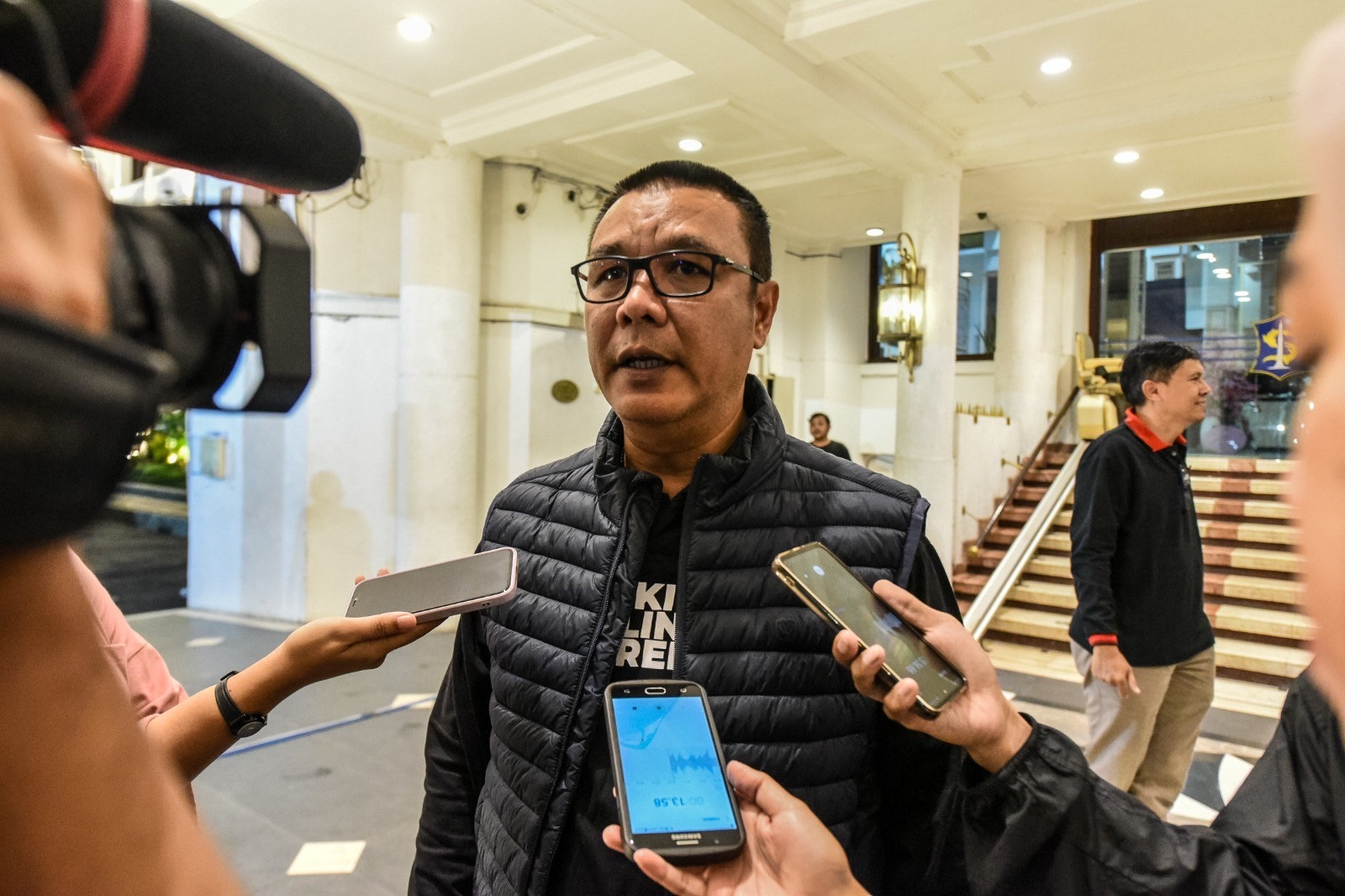
The Surabaya Environmental Agency (DLH Surabaya) has issued a stern warning against the washing and disposal of sacrificial animal waste, specifically rumen or offal, into rivers and other waterways. Violators of this crucial environmental regulation face minor offense sanctions (tipiring), potentially incurring hefty fines of up to Rp50 million.
According to M Fikser, Acting Head of DLH Surabaya, the agency will deploy dedicated law enforcement operations, known as yustisi operations, at critical points during and after the Eid al-Adha sacrificial process. Key areas under stringent surveillance include the Kalimas River and the Taman Asreboyo vicinity, known hotbeds for such irresponsible activities.
Fikser emphasized that these stringent measures are designed to act as a significant deterrent, aiming to curb the irresponsible behavior of individuals who disregard proper offal disposal protocols and contribute to river pollution. The DLH is resolute in its commitment to ensuring public compliance with environmental standards.
Unlike typical on-the-spot penalties, Fikser clarified that offenders would not be immediately fined. Instead, they will be summoned to court to undergo the full tipiring judicial process. “We will not issue fines on the spot; instead, we will fine them through the court’s tipiring proceedings. This ensures they experience the lengthy judicial process. The maximum fine under the regional regulation is Rp50 million,” Fikser stated on Tuesday (May 26).
He added that the minimum fine for individuals caught washing or disposing of rumen would ultimately be determined by the presiding judge. While the Surabaya City Government typically imposes a minimal fine of Rp75,000 for minor infractions, the DLH explicitly rejects this lenient approach, preferring the more impactful tipiring sanction. “I don’t want just a Rp75,000 fine, as it won’t change their behavior. It’s better to take them through the tipiring process, so they truly feel the long judicial journey,” he explained.
Furthermore, individuals found guilty through the tipiring process will face an automatic blockage of their KTP (identity card). This critical consequence means that infringing citizens will temporarily lose access to essential public administration services. “If they do not attend the (court) hearing, they will not receive government facilities as Surabaya ID cardholders. We will block their KTP until the matter is resolved, then we will unblock it,” Fikser elaborated.
The DLH is reinforcing its commitment to strict oversight throughout the Eid al-Adha period. This intensified supervision aims to decisively prevent any resurgence of the practice of washing sacrificial animal offal in Surabaya’s vital waterways, thereby safeguarding the city’s environment.
Summary
The Surabaya Environmental Agency (DLH Surabaya) has issued a strict warning against washing and disposing of sacrificial animal offal into waterways, as violators face minor offense sanctions (tipiring). This includes potential fines up to Rp50 million. DLH will conduct law enforcement operations in key areas like the Kalimas River and Taman Asreboyo to monitor and prevent such environmental violations.
Offenders will not be fined on the spot but summoned to court for the full judicial process, ensuring they experience the lengthy procedure rather than just a minimal fine. This measure aims to deter irresponsible behavior and prevent river pollution. Additionally, individuals found guilty through tipiring will have their KTP blocked, temporarily losing access to public administration services until their case is resolved.
