
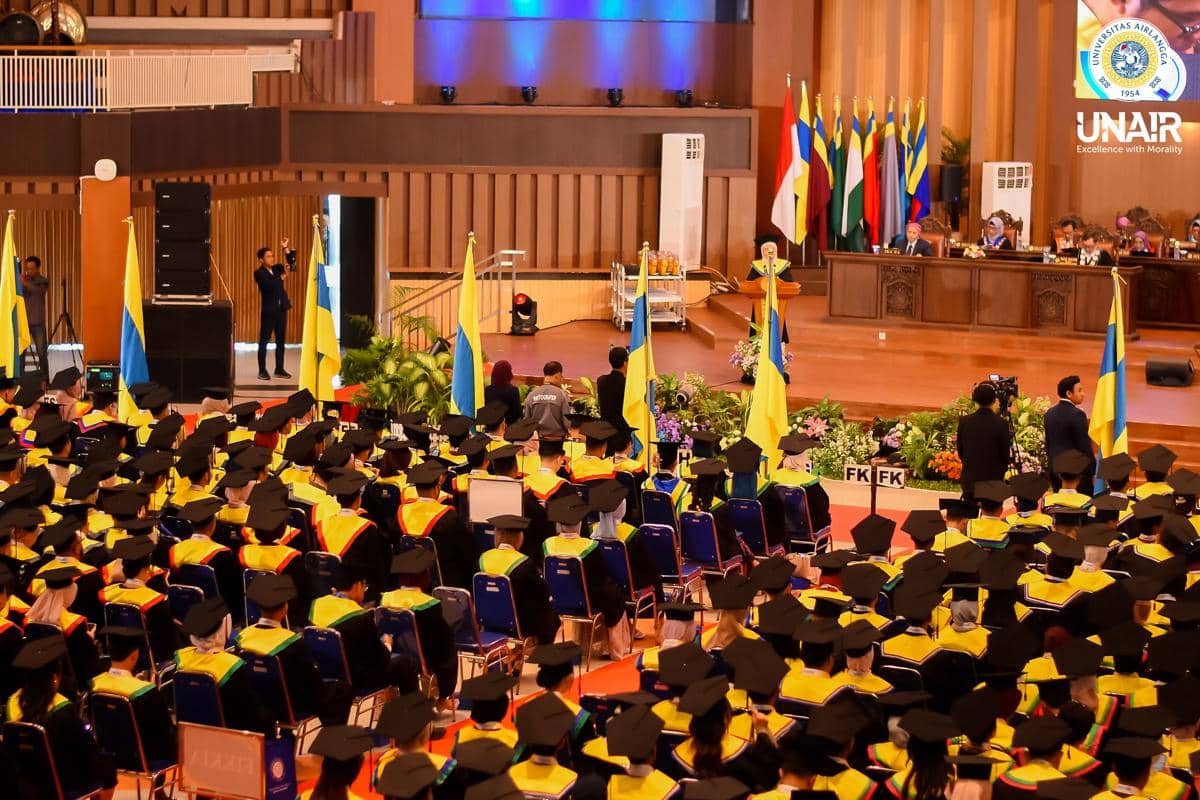
Jakarta, IDN Times – The Ministry of Higher Education, Science, and Technology (Kemendikti Saintek) has announced plans to restructure university study programs to better align graduates with industry demands. This policy initiative follows concerns over the significant number of graduates from specific fields who are struggling to find employment due to a mismatch between academic supply and labor market needs.
Badri Munir Sukonco, Secretary General of Kemendikti Saintek, stated that the government is set to review the establishment and long-term viability of various university programs. As part of this comprehensive evaluation, the government may choose to phase out or close study programs that are deemed no longer relevant to the nation’s future development goals.
“We are preparing to make necessary decisions regarding study programs. We will carefully evaluate and potentially close certain programs to ensure alignment with national needs. We are working to identify exactly which programs are essential for the future,” Badri said during a broadcast from the Ministry of Population and Family Development/BKKBN on Monday (27/4/2026).
1. Seeking Collaborative Support

Badri emphasized that this structural adjustment requires active support from various stakeholders, including universities affiliated with the Consortium of Higher Education Institutions for Population Concerns (PTPK). The government aims to foster a shared understanding of these changes to ensure that the process of reshaping higher education curricula is collaborative and strategic.
2. Oversupply in the Education Sector

A primary concern highlighted by the Ministry is the severe oversupply of graduates in the education sector. Statistics reveal that Indonesian universities produce approximately 490,000 education graduates annually, while the labor market demand for new teachers is only around 20,000 positions.
This gap means that nearly 95.92 percent of education graduates do not find employment within their field of study. Badri noted that this staggering disparity is a clear indicator that current academic output is disconnected from the realities of the professional workforce.
3. Prioritizing Market Interest Over Workforce Needs

Addressing the root cause of this issue, Badri explained that universities have traditionally opened new programs based solely on student interest without considering long-term labor market balance. He warned that if left unchecked, this trend could lead to similar surpluses in other sectors, such as medicine.
“While the demographic bonus is often discussed, it will not be effective if our higher education system fails to support future economic growth. If we do not align education with the demands of the economy, the transition to becoming a developed nation will remain mismatched,” he concluded.
The Ministry is also working on initiatives involving the Ministry of Youth and Sports to integrate LPDP scholarships with sport science, while stakeholders in the government-backed Free Nutritious Meal (MBG) program are seeking legal frameworks to ensure long-term program sustainability.
Summary
The Ministry of Higher Education, Science, and Technology (Kemendikti Saintek) plans to restructure university study programs to align graduates with industry needs. This policy arises from the difficulty many graduates in certain fields face in finding employment due to a mismatch between academic supply and labor market demand. The government will evaluate the existence and relevance of study programs and may close those deemed no longer aligned with national development goals.
A key focus is the oversupply of graduates in the education sector, with 490,000 education graduates produced annually while the market needs only around 20,000 teaching positions. This situation results in nearly 96% of education graduates not being absorbed into their field. This is attributed to universities tending to open programs based on student interest without considering long-term labor market balance.
