
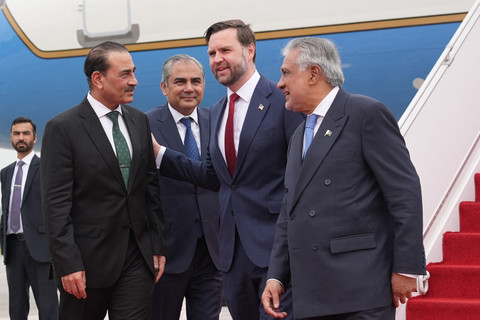

Following an arduous 21-hour marathon of negotiations in Islamabad that ultimately concluded without a breakthrough on Sunday, April 12, Pakistan Foreign Minister Ishaq Dar has issued a forceful call for both the United States and Iran to exercise utmost restraint and diligently uphold the existing ceasefire. This urgent plea underscores the fragility of peace efforts in the volatile Middle East.
This critical appeal by Dar follows the marathon discussions – extending over 21 hours – which regrettably failed to forge a lasting agreement to resolve the entrenched conflict gripping the Middle East. As quoted by AFP, Dar emphatically stated that a steadfast commitment to the existing ceasefire remains absolutely paramount to preventing a far broader and more devastating escalation across the region.
Underlining the critical nature of the situation, Foreign Minister Dar reiterated, in a statement widely broadcast by Pakistani state media, that “It is crucial for all parties to continue adhering to their commitments to the ceasefire.” Notably, Pakistan has played a pivotal role as a mediator in these sensitive, high-level discussions between Washington and Tehran, which represented the first direct contact between the two geopolitical rivals in several years, highlighting the immense stakes involved.
Despite the undeniable setback of the failed negotiations, Dar was resolute, confirming that Islamabad remains unwavering in its commitment to champion diplomatic engagement between the warring parties. “Pakistan has and will continue to play its integral role in facilitating engagement and dialogue between the Islamic Republic of Iran and the United States in the coming days,” he declared, signaling ongoing diplomatic efforts.
Earlier reports by Reuters shed light on the core issues contributing to the deadlock, revealing that the talks ultimately collapsed due to profound disagreements, particularly over the contentious issue of Iran’s nuclear program and the distinct, often opposing, demands of each side. This diplomatic impasse regrettably casts a shadow of renewed uncertainty over the fragile two-week ceasefire that had been previously established, intensifying anxieties surrounding a pervasive regional conflict that continues to profoundly destabilize the entire region and threatens global economic stability.