Former US President Donald Trump recently made a striking assertion, claiming that Iran would cede all its “nuclear dust” to the United States. He emphasized that this transfer would occur at no financial cost to the U.S., a significant departure from typical international agreements involving such sensitive materials.
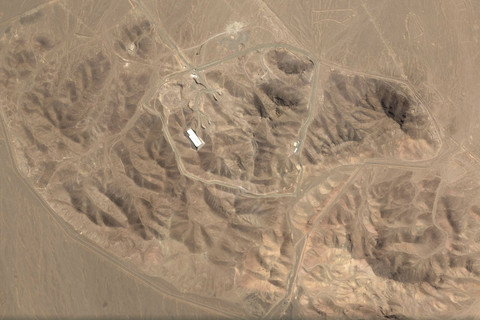
The term “nuclear dust,” as used in this context, refers to highly enriched uranium (HEU) reportedly stored in underground facilities within Iran. This material came under scrutiny following past US attacks or operations. The United States has consistently expressed concerns that this specific uranium could potentially be repurposed by Iran for the development of nuclear weapons, heightening geopolitical tensions.
Quoted by AFP on Saturday, April 18, Trump explicitly stated his view on the acquisition: “The United States will get all of the nuclear ‘dust’ that our great B2 bomber produced. No money will change hands in any form.” This statement, attributing the acquisition to the imposing presence of US military assets, underscored his unwavering stance on avoiding any financial exchange for the material.
Trump’s assertion of a cost-free transfer emerges amidst previous reports of ongoing discussions between the two nations. An earlier report from Axios indicated that the United States and Iran were actively negotiating a complex plan. This proposed arrangement would involve Washington releasing approximately $20 billion in frozen Iranian funds, specifically in exchange for Iran surrendering its existing stockpiles of enriched uranium. This highlights a clear divergence from Trump’s proclaimed method of acquisition.
Despite the complexities, Trump expressed strong confidence that a second round of crucial discussions would take place in Islamabad. These talks would specifically focus on the decision regarding the surrender of the uranium. Furthermore, Trump himself indicated his willingness to personally attend such a meeting, signaling his readiness to directly engage in diplomatic efforts to finalize this pivotal agreement.
