
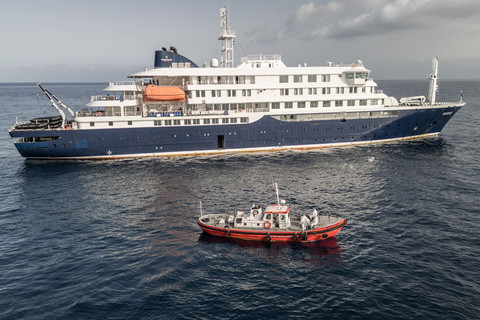
Spain has granted emergency docking permission to the MV Hondius cruise ship in the Canary Islands, following a concerning outbreak of hantavirus among its passengers. This rodent-borne illness, primarily associated with rats, has created a critical health situation aboard the vessel.
The MV Hondius, carrying 147 crew members and passengers, had originally sailed from Argentina en route to Cape Verde, Africa. However, the vessel found itself in limbo after Cape Verde reportedly denied entry, prompting a direct appeal to the World Health Organization (WHO). According to a statement released by the Spanish Ministry of Health on Tuesday (May 5th) night, the WHO then informed Spain of the ship’s dire need, citing the Canary Islands as the “closest location with the necessary capabilities.”
Madrid emphasized its profound sense of responsibility in this unfolding humanitarian crisis. “Spain has a moral and legal obligation to assist these individuals, some of whom are Spanish nationals,” the Ministry affirmed, underscoring the urgency of their decision. This intervention was deemed crucial given the severity of the hantavirus infection, which has tragically claimed the lives of a Dutch couple and a German national aboard the cruise ship.
Hantavirus, notoriously transmitted through the urine, droppings, and saliva of rodents, is suspected to have begun spreading on the MV Hondius in early April. Beyond the three confirmed fatalities, the outbreak has led to further serious health complications. A British passenger has been airlifted to South Africa for intensive medical care, while two crew members are also reported to be in urgent need of treatment for hantavirus. An additional person on board is currently exhibiting mild symptoms.
Adding a significant layer of concern to the unfolding crisis, a WHO official revealed on Tuesday that human-to-human transmission of hantavirus might have occurred on the vessel. Maria Van Kerkhove, the WHO official, stated, “We believe that there may have been some human-to-human transmission occurring in very close contact, such as husband and wife or people who share a cabin.” This potential for direct transmission among passengers and crew could complicate containment efforts and elevates the risk profile of the ongoing situation.
Summary
The MV Hondius cruise ship has been granted emergency docking in Spain’s Canary Islands following a concerning hantavirus outbreak among its 147 crew and passengers. The vessel, originally en route from Argentina to Cape Verde, was denied entry by Cape Verde, leading to an appeal to the WHO. Spain then approved docking, citing a moral and legal obligation to assist those aboard, as the Canary Islands offered the closest necessary capabilities.
The rodent-borne hantavirus has tragically resulted in three fatalities on board, including a Dutch couple and a German national, with the outbreak suspected since early April. A British passenger was airlifted for intensive care, while two crew members also require urgent treatment. Crucially, a WHO official indicated the potential for human-to-human transmission of the virus among close contacts on the ship, such as spouses or cabin mates.
