
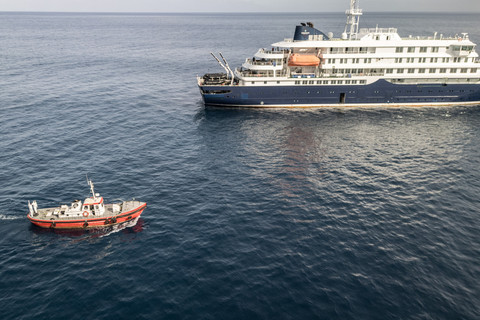

Singapore’s Communicable Diseases Agency (CDA) has taken swift action, isolating two of its citizens who were previously aboard the MV Hondius cruise ship, the site of a recent Andes hantavirus outbreak. These individuals are currently undergoing testing and observation at Singapore’s National Centre for Infectious Diseases (NCID), a critical measure to prevent potential spread and ensure public safety.
The first individual, a 67-year-old Singaporean man, arrived in the country on May 2nd. The second, a 65-year-old Singapore Permanent Resident, followed on May 6th. While one reported experiencing a common cold but otherwise remains in good health, the other has exhibited no symptoms whatsoever.
Both were passengers on the MV Hondius cruise ship, which departed from Ushuaia, Argentina, on April 1, 2026. Significantly, they also shared a flight from St. Helena to Johannesburg on April 25, 2026, with a confirmed hantavirus case who tragically passed away in South Africa and did not travel to Singapore. This proximity to a confirmed case underscores the need for their current isolation and monitoring.
Awaiting Test Results
As of now, the results of their hantavirus tests are still pending. Should these tests return negative, both individuals will undergo a 30-day quarantine period, calculated from their last known exposure date. This duration is critical as most hantavirus cases are expected to manifest symptoms within this timeframe.
A re-test will be conducted before their release from quarantine. Subsequently, they will enter a period of telephonic surveillance for the remaining 45 days, completing the maximum incubation period for hantavirus exposure. This comprehensive 75-day monitoring protocol ensures thorough oversight.
Conversely, if they test positive for hantavirus, they will be hospitalized for close monitoring and medical treatment, given the potentially severe nature of a hantavirus infection. In such a scenario, extensive contact tracing will be initiated to identify anyone exposed during the infectious period, with close contacts also placed under quarantine to contain any potential spread.
As of May 6, 2026, the hantavirus cluster linked to the MV Hondius cruise ship has accounted for eight reported cases, including three fatalities. While three of these cases have been confirmed as hantavirus infections, the remaining cases are still under investigation. The World Health Organization (WHO) currently assesses the risk to the global population as low.
Echoing this sentiment, Singapore’s CDA has also affirmed that the risk to the general public within Singapore remains low at this time, providing reassurance amidst the ongoing monitoring efforts.
Understanding Hantavirus: A Rodent-Borne Threat
Hantavirus is a group of viruses primarily carried by rodents, including rats. Humans typically contract the infection by inhaling dust contaminated with urine, droppings, or saliva from infected rodents, especially when cleaning or disturbing areas with significant rodent activity. While infections are relatively rare, the severity of the illness can range from mild to life-threatening.
While most hantaviruses do not spread from person to person or across species, the Andes hantavirus, prevalent in certain parts of South America, is a notable exception, having been linked to human-to-human transmission. This characteristic makes it particularly concerning in outbreak scenarios.
According to Dr. Dewangga Gegap Gempita, Secretary of the Indonesian Doctors Association (IDI) Depok City Chapter, symptoms of hantavirus infection typically include fever, body aches, fatigue, gastrointestinal issues, and significant respiratory distress, indicating a severe attack on the lungs. The disease can rapidly progress to shock and, unfortunately, be fatal.
Treatment for hantavirus is primarily supportive, involving intensive hospital care when necessary. Crucially, there are no specific antiviral medications or vaccines available to combat the virus directly.
The exact mode of transmission for the cases associated with the MV Hondius remains under active investigation. However, the WHO has cautioned that human-to-human transmission cannot be ruled out and has strongly advised all individuals who were aboard the MV Hondius to vigilantly monitor their health and seek immediate medical attention should they develop any symptoms.
Public Health Alert and Prevention in Indonesia
Indonesia’s Minister of Health, Budi Gunadi Sadikin, has confirmed that the ministry is actively coordinating with the WHO to establish comprehensive screening and surveillance protocols for the potential spread of hantavirus within Indonesia.
“This is quite a dangerous virus. We have coordinated with WHO and requested guidance to implement screening.” – Budi Gunadi Sadikin, Indonesian Minister of Health –
The Indonesian government is proactively developing an early detection system, which includes exploring the potential use of rapid tests and specialized reagents for PCR examinations. Minister Sadikin further emphasized that Indonesia’s laboratory infrastructure is significantly better equipped than in previous years, thanks to the substantial increase in PCR machine capacity established during the COVID-19 pandemic, bolstering the nation’s readiness.
To significantly reduce the risk of hantavirus infection, individuals traveling to areas known for hantavirus transmission, particularly when planning activities such as camping, hiking, or visiting rural locales, should adopt the following crucial preventive measures:
-
Avoid direct contact with rodents and areas that may be contaminated by their urine, droppings, saliva, or nests.
-
Maintain strict cleanliness in accommodation areas, seal any gaps where rodents could enter, store food securely, and dispose of waste properly.
-
When cleaning surfaces, use a damp cloth or mop instead of dry sweeping to prevent stirring up potentially contaminated dust particles.
-
Practice good personal hygiene diligently.
-
Avoid close contact with individuals who are unwell, especially those exhibiting respiratory or gastrointestinal symptoms like vomiting or diarrhea.
Summary
Singapore’s Communicable Diseases Agency (CDA) has isolated two citizens who were passengers on the MV Hondius cruise ship, the site of an Andes hantavirus outbreak. These individuals are currently undergoing testing and observation at the National Centre for Infectious Diseases (NCID) after sharing a flight with a confirmed fatal hantavirus case. Their test results are pending; if negative, they face a 75-day quarantine and surveillance protocol, or hospitalization and contact tracing if positive. Despite the cruise ship cluster, which includes eight cases and three fatalities, Singapore’s CDA and the WHO assess the risk to the general public as low.
Hantavirus is a rodent-borne virus usually contracted by inhaling contaminated dust, though the Andes strain is known for human-to-human transmission. Symptoms can be severe, involving respiratory distress, but there are no specific antiviral treatments or vaccines. Indonesia’s Ministry of Health is proactively coordinating with the WHO to establish screening and surveillance protocols, leveraging improved PCR testing infrastructure from the COVID-19 pandemic. Preventive measures include avoiding rodents, maintaining hygiene, and exercising caution in known transmission areas.
