

A Los Angeles jury has delivered a landmark verdict, awarding a woman US$6 million in her lawsuit against Meta and YouTube for social media addiction experienced during her childhood.
The jury determined that Meta, the parent company of Instagram, Facebook, and WhatsApp, along with Google, which owns YouTube, deliberately engineered their social media platforms to be addictive and detrimental to the mental health of the then 20-year-old plaintiff.
The woman, identified as Kaley, was granted US$6 million (approximately Rp100 billion) in damages. This significant ruling is anticipated to influence hundreds of similar cases currently proceeding through US courts.
Both Meta and Google have independently expressed disagreement with the verdict and have stated their intention to appeal the decision.
Meta released a statement saying, “Teen mental health is complex and cannot be attributed to a single app. We will continue to vigorously defend ourselves as every case is different, and we remain confident in our track record of protecting teens online.”
A spokesperson for Google countered, “This case misunderstands YouTube, which is a responsibly built streaming platform, not a social media site.”
The jury awarded Kaley US$3 million in compensatory damages and an additional US$3 million in punitive damages, concluding that Meta and Google “acted with malice, oppression, or fraud” in the operation of their platforms. Meta is expected to bear 70% of Kaley’s total damages, while Google will be responsible for the remaining 30%.
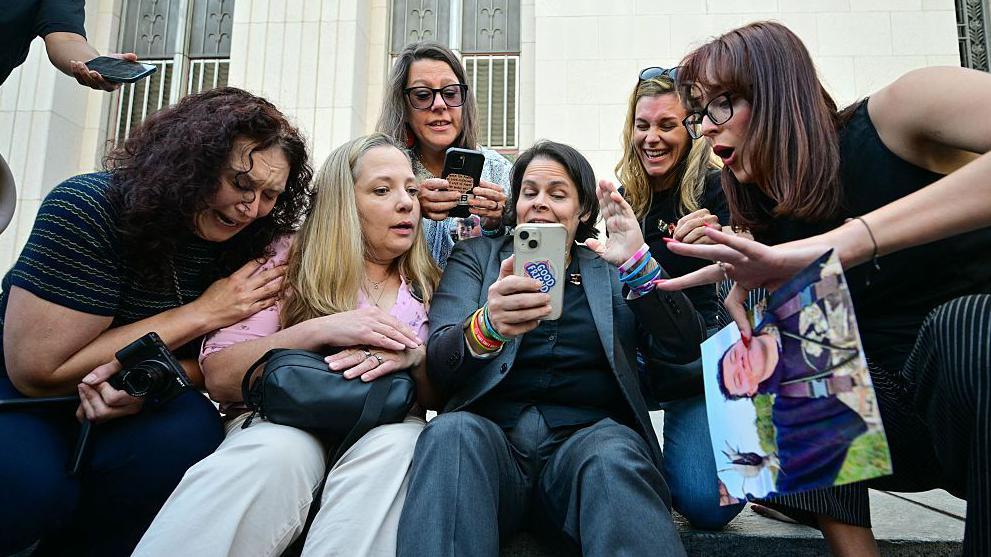
Outside the courthouse on Wednesday (March 25), parents of other children who claim to have been harmed by social media, though not part of Kaley’s specific lawsuit, gathered as they had throughout the five-week trial. Upon the announcement of the verdict, parents like Amy Neville were seen celebrating and embracing fellow parents and supporters who had eagerly awaited the decision.
This judgment comes merely a day after a New Mexico jury panel found Meta liable for the ways its platforms harmed children, exposing them to explicit sexual material and contact with sexual predators. Mike Proulx, research director at Forrester, commented that these two consecutive verdicts signify a “tipping point” between social media companies and the public, indicating a profound shift in public perception.
In recent months, nations such as Australia have implemented restrictions aimed at curbing or limiting children’s social media usage. The UK is currently running a pilot program to assess the feasibility of a social media ban for individuals under the age of 16. “Negative sentiment toward social media has been building for years, and now it has finally reached its peak,” Proulx added.
During his testimony before the jury in February, Mark Zuckerberg, Meta’s head and CEO, cited the company’s long-standing policy prohibiting users under 13 from using its platforms. However, when presented with internal research and documents demonstrating that Meta was aware children were indeed using its platforms, Zuckerberg stated he “always hoped” for faster progress in identifying users under 13. He maintained that the company had reached “the right place over time.”
While Google, as the owner of YouTube, was also a defendant in the case, the majority of the trial proceedings focused on Instagram and Meta. Snap and TikTok were initially named as defendants but reached undisclosed settlements with Kaley before the trial commenced.
Kaley’s attorneys argued vehemently that Meta and YouTube constructed “addiction machines” and failed to uphold their responsibility to prevent children from accessing their platforms. Kaley recounted beginning her use of Instagram at age nine and YouTube at age six, stating that she never encountered any attempts to block her due to her age.
“I stopped interacting with my family because I spent all my time on social media,” Kaley testified. She explained that she was ten years old when she first began experiencing anxiety and depression—disorders that were subsequently diagnosed by a therapist years later. Furthermore, she became fixated on her physical appearance, routinely using Instagram filters that altered her face—making her nose smaller and eyes larger—almost from the moment she started using the platform as a child. Kaley has since been diagnosed with body dysmorphia, a condition characterized by intense preoccupation with one’s physical appearance, preventing an individual from seeing themselves as others do.
Kaley’s legal team contended that Instagram features, such as the endless scroll, were deliberately designed to foster addiction. Meta’s growth objectives, they argued, were specifically aimed at enticing young users to their platforms. Presenting testimony from experts and former Meta executives, they asserted that the company desired young users because they are more likely to remain on the platforms for extended periods.
When Kaley’s lawyers informed Adam Mosseri, head of Instagram, that Kaley’s longest single-day usage reached 16 hours, he refuted that this constituted evidence of addiction. Instead, he categorized a teenager spending a significant portion of their day on Instagram as “problematic.”
On Wednesday, Kaley’s lawyers declared that the jury’s verdict “sends an undeniable message that no company is above accountability when it comes to our children.” Another significant case against Meta and other social media platforms concerning their alleged impact on children is scheduled to begin in June at a federal court in California.
- The story of the couple who sued Google and received Rp40 trillion in damages
- TikTok CEO accused of communism, Zuckerberg apologizes to victims’ families – Why US Congress grilled social media executives
- Indonesian government bans children under 16 from creating social media accounts – What about age verification and personal data protection?
Summary
Seorang perempuan di Los Angeles, Kaley, memenangkan gugatan sebesar US$6 juta (sekitar Rp100 miliar) terhadap Meta dan YouTube atas kecanduan media sosial sejak masa kanak-kanak. Juri memutuskan bahwa kedua perusahaan tersebut sengaja merancang platform mereka agar adiktif dan berbahaya bagi kesehatan mental Kaley. Ganti rugi tersebut mencakup US$3 juta kompensasi dan US$3 juta hukuman, dengan Meta menanggung 70% dan Google 30% dari total.
Baik Meta maupun Google menyatakan tidak setuju dengan putusan ini dan berencana mengajukan banding. Keputusan penting ini diperkirakan akan memengaruhi ratusan kasus serupa yang sedang berjalan di pengadilan AS, menandai “titik balik” antara perusahaan media sosial dan publik. Kasus Kaley menyoroti fitur-fitur platform yang dirancang untuk menarik pengguna muda, yang ia klaim menyebabkan kecemasan, depresi, dan dismorfia tubuh.