
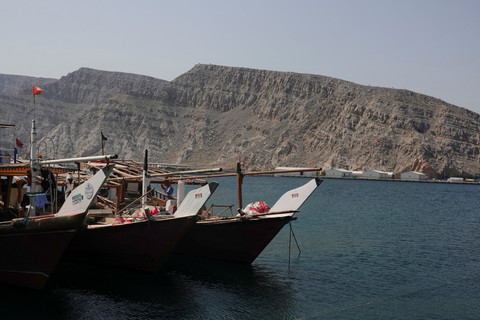
The Strait of Hormuz, a vital strategic shipping lane for global oil trade situated south of Iran, has reportedly been officially closed following a series of attacks by the United States and Israel on Saturday, February 28. This significant move, undertaken by Iran’s Islamic Revolutionary Guard Corps (IRGC), marks a dramatic escalation amidst already heightened tensions across the Middle East. Jabari, quoted by Antara, confirmed the closure, stating, “Currently, the Strait of Hormuz is being closed by IRGC forces following aggression against Iran.”
The immense importance of this waterway cannot be overstated. According to data from the U.S. Energy Information Administration (EIA), more than 20 percent of daily global oil consumption—approximately 18 to 20 million barrels per day—transits through the Strait of Hormuz. It serves as the primary export route for crude oil from key OPEC member states such as Saudi Arabia and Iran. Furthermore, a substantial portion of liquefied natural gas (LNG) exports from Qatar also navigates these critical waters, underscoring its pivotal role in the world’s energy supply chain.
Consequently, the closure of the Strait of Hormuz poses a severe threat, with the potential to significantly constrict global energy supplies and trigger a sharp surge in world oil prices. This critical development immediately raises a pressing question: How long can the existing oil reserves of various nations sustain them in the face of such unprecedented disruption?
Japan Holds Oil Reserves for 254 Days
In response to the escalating situation, Japanese Prime Minister Sanae Takaichi assured the public that Japan currently possesses sufficient oil reserves to last for 254 days, or approximately 8.5 months. She affirmed the government’s unwavering commitment to maintaining the stability of the national energy supply in the wake of the Strait of Hormuz closure. Takaichi also elaborated that several oil tankers en route to Japan are currently on standby in the Persian Gulf, with stringent measures in place to ensure the safety of their crews in the surrounding waters. Addressing a question from Satoshi Asano, a member of the Democratic Party for the People, Takaichi stated, as quoted by The Mainichi, “We will ensure stable energy supply to our country. Necessary steps will be taken immediately.” Japan is notably highly dependent on crude oil supplies from the Middle East, particularly Iran, and its strong diplomatic ties with Tehran further underscore Tokyo’s significant interest in the region’s stability.
Australia’s Fuel Reserves Sufficient for 36 Days
Across the globe, Australian Energy Minister Chris Bowen sought to reassure citizens, urging them not to panic about potential fuel shortages amidst the ongoing US-Israel and Iran conflict. He confirmed that current reserves are adequate to meet the nation’s needs for several weeks. Bowen detailed Australia’s robust reserves, noting approximately 36 days of gasoline, 34 days of diesel, and 32 days of jet fuel—figures representing the highest levels in over a decade. “There is no need to rush to petrol stations and fill up,” he told reporters, as cited by Reuters. He further emphasized, “I understand people’s concerns, but it’s important for people to know that we have sufficient petrol supplies in Australia. There is no immediate threat to petrol supplies in Australia.” While acknowledging that fuel prices might be impacted by a spike in global oil costs, Bowen assured that regulators would take decisive action against any instances of unfair pricing practices.
India Possesses Reserves for Up to 45 Days
According to The Hindu, India commands a substantial commercial crude oil reserve of approximately 100 million barrels. These reserves are strategically stored across various facilities, including storage tanks, underground strategic reserves, and aboard ships currently en route to the country. Analytics firm Kpler estimates that this volume could effectively meet India’s needs for around 40 to 45 days should the flow of supplies through the Strait of Hormuz be significantly disrupted. India’s reliance on crude oil imports is considerable, with approximately 88 percent of its crude requirements—essential for producing fuels like gasoline and diesel—being imported. Critically, over 50 percent of these vital supplies originate from Middle Eastern nations, traversing the narrow and now-disrupted channel of the Strait of Hormuz amid the escalating crisis involving Iran.
Indonesia’s Reserves Sufficient for 20 Days
Closer to home, Indonesia’s Minister of Energy and Mineral Resources (ESDM) Bahlil Lahadalia announced that the national fuel reserves are currently estimated to be sufficient for 20 days. This statement was made on Monday, March 2, as he prepared to attend a meeting at the State Palace in Jakarta to discuss the latest geopolitical developments. “Fuel reserves are still enough, 20 days,” Bahlil confirmed at the State Palace. He reassured the public that, as of now, the conflict has not impacted the availability or distribution of subsidized fuel within the country. However, Bahlil acknowledged that an escalation of the conflict could potentially exert pressure on global oil prices in the future. “Until today, there’s no problem [with subsidized fuel], but world prices will certainly see a correction when geopolitical conditions continue to heat up in the Middle East,” he noted, highlighting the broader economic implications.