
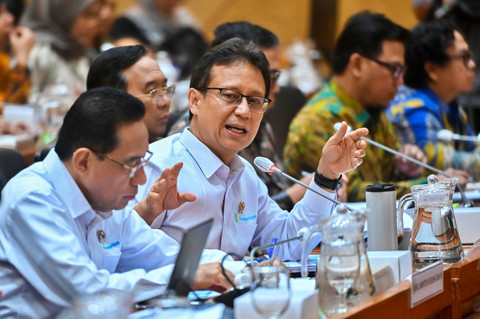
Indonesian Health Minister Budi Gunadi Sadikin has urged the public to actively report any hospitals that deny treatment to BPJS PBI patients suffering from catastrophic diseases. This call aims to ensure that beneficiaries of the contribution assistance program receive the critical care they are entitled to under the national health insurance scheme.
Speaking at the House of Representatives (DPR) on Wednesday (11/2), Minister Budi emphasized the importance of public vigilance. “I also request the help of my journalist friends; if there are such hospitals, please report them to the Health Agency, Social Agency, and BPJS. Because they should be served and paid for by BPJS,” he stated. He added that any hospital proven to have rejected PBI patients with catastrophic illnesses would face direct reprimand from the Ministry of Health (Kemenkes).
The Minister confirmed that Kemenkes would take swift action against non-compliant medical facilities. “If the reports come to us, we will immediately reprimand the hospital,” Budi affirmed. This directive follows a prior effort by the Minister, who has already circulated letters to all hospitals nationwide, instructing them not to refuse patients suffering from these severe conditions, underscoring a commitment to universal healthcare access.
Budi reiterated that this policy is aligned with an agreement made with the DPR, which stipulates that all patients, particularly those with catastrophic (not chronic) illnesses, must not be turned away. He also clarified the broad scope of what constitutes a catastrophic disease, which extends far beyond common perceptions. “Catastrophic diseases are not just dialysis. From our research, around 22,000 patients undergo dialysis. But there are also those with cancer who require routine chemotherapy and radiotherapy. There are stroke and heart patients who need regular medication. And children with thalassemia who must undergo routine infusions and blood treatments,” he explained.
Minister Budi underscored the life-threatening implications of denying or interrupting care for these vulnerable individuals. He warned that sufferers of catastrophic diseases face a significant risk of death if their treatment is halted. “If their health services are stopped, they face a risk of mortality. Therefore, for people with these catastrophic diseases, there should absolutely be no interruption in their healthcare services,” he concluded, stressing the imperative for continuous and uninterrupted medical attention.
Summary
Indonesian Health Minister Budi Gunadi Sadikin has urged the public and journalists to report hospitals that deny treatment to BPJS PBI patients suffering from catastrophic diseases. This initiative aims to ensure beneficiaries receive the critical care they are entitled to under the national health insurance scheme. Hospitals found non-compliant will face direct reprimand from the Ministry of Health.
The Minister clarified that catastrophic diseases, which pose a significant mortality risk if treatment is halted, include not only dialysis but also conditions like cancer requiring chemotherapy/radiotherapy, stroke, heart problems needing regular medication, and thalassemia. This policy reinforces prior directives and an agreement with the DPR, emphasizing the necessity for continuous and uninterrupted medical attention for these vulnerable individuals.