
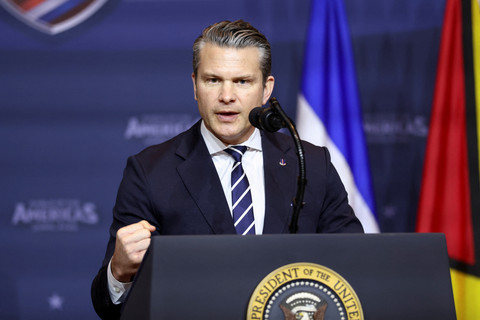

U.S. Secretary of Defense Pete Hegseth made headlines on Thursday, April 2nd, with the abrupt dismissal of U.S. Army Chief of Staff Randy George. This sweeping leadership change also affected two other high-ranking officials: General David Hodne, who was at the helm of the Army Transformation and Training Command, and Major General William Green, Chief of the Army Chaplain Corps.
The Pentagon swiftly confirmed the development, noting that George, who had more than a year left in his term, “will retire from his position as the 41st Chief of Staff of the Army effective immediately,” a statement reported by Reuters on Friday, April 3rd, read. This unexpected retirement, occurring well before the end of his tenure, underscores the gravity of the decision.
While the official rationale cited for these changes was a broader effort to “overhaul the department,” the move has generated considerable discussion. The dismissal of such a senior general during a period of ongoing conflict is a rare occurrence, widely described as almost unprecedented in modern military history.
Adding to the intrigue, the Pentagon, in its official statement, expressed gratitude for George’s “decades of service” and extended “best wishes for his retirement.” Yet, this customary public commendation stood in stark contrast to the conspicuous absence of any detailed explanation for his removal. This lack of clarity is particularly pertinent given the current geopolitical landscape, with the U.S. military actively reinforcing its presence in the Middle East and conducting operations against Iran.
Despite the fact that offensive U.S. operations in the region are predominantly spearheaded by the Navy and Air Force, the U.S. Army remains a cornerstone of the national defense strategy. Its soldiers have been critically deployed to the Middle East to bolster essential air defense systems, highlighting the branch’s vital role even in a supporting capacity. As the largest component of the U.S. military, with approximately 450,000 active personnel, the implications of such high-level leadership changes within the Army ripple across its global operations and strategic readiness.
Summary
U.S. Secretary of Defense Pete Hegseth abruptly dismissed U.S. Army Chief of Staff Randy George, along with General David Hodne and Major General William Green, on April 2nd. George’s immediate retirement, well before his term ended, was officially part of a “broader effort to overhaul the department.” This removal of a senior general during ongoing conflict is widely considered a rare and almost unprecedented event in modern military history.
These leadership changes occur as the U.S. military actively reinforces its presence and conducts operations against Iran in the Middle East. Although other branches lead offensive actions, the U.S. Army remains a vital cornerstone, deploying soldiers for critical air defense systems in the region. As the largest component of the U.S. military, such high-level shifts significantly impact its global operations and strategic readiness.