
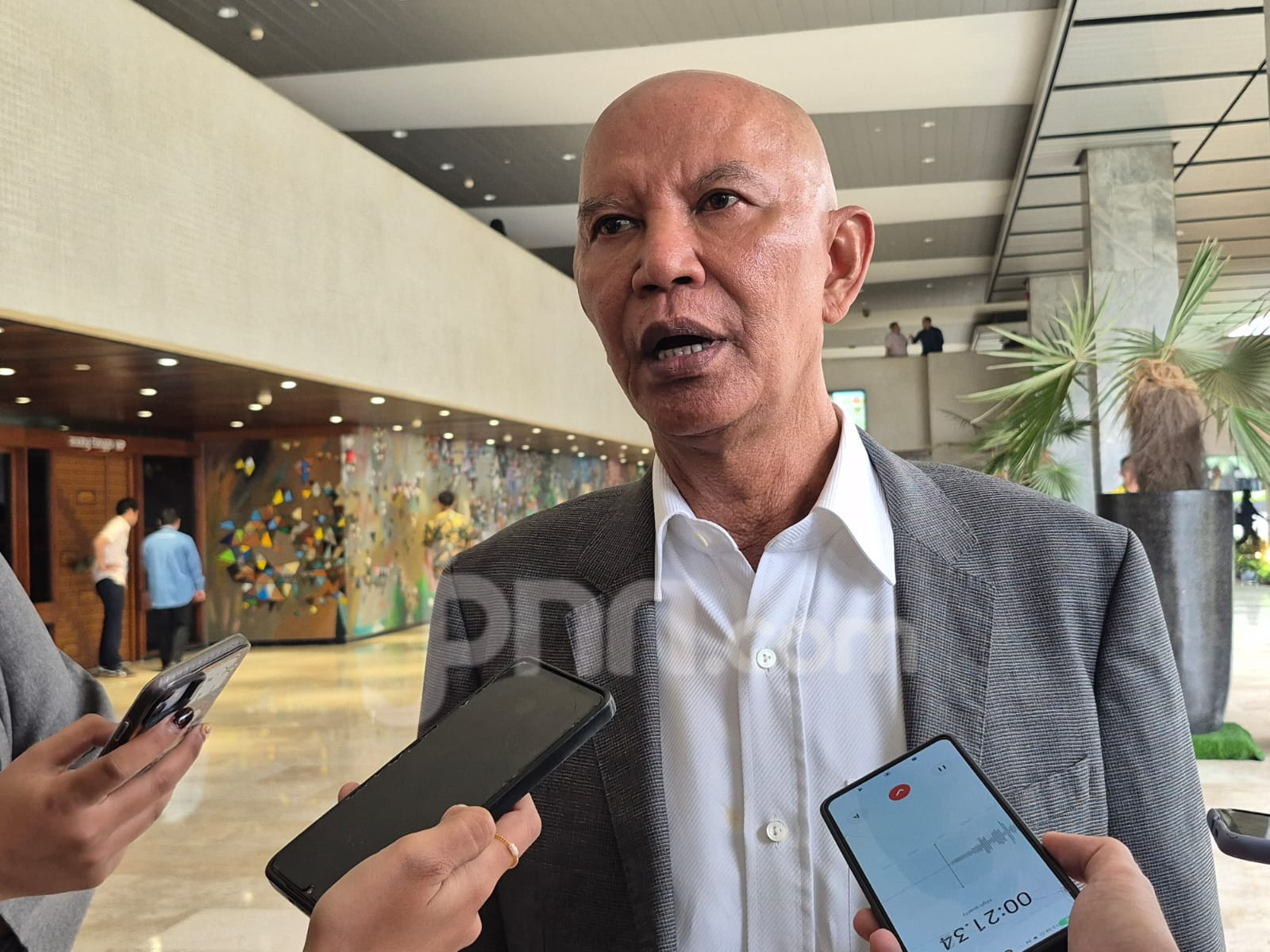
JAKARTA – Said Abdullah, Chairman of the House of Representatives (DPR RI) Budget Committee, has strongly voiced his disagreement with the proposed reduction of fuel subsidies. This proposal was initially put forward by Jusuf Kalla, Indonesia’s 10th and 12th Vice President. Speaking at the Parliament Complex in Senayan, Jakarta, on Monday (6/4), Abdullah asserted, “If fuel subsidies are cut, we do not agree.”
Abdullah acknowledged that the complexities in energy distribution from the Middle East could indeed lead to a surge in global oil prices, subsequently straining the nation’s finances. However, the legislator from the PDI Perjuangan faction firmly opposes any policy that would disproportionately burden the less fortunate segments of society. “Why should the poor be the ones affected? That’s unacceptable,” Said emphasized, advocating for a more equitable approach.
The politician, a native of Sumenep, East Java, suggested that a more rational approach for the government would be to adjust the prices of non-subsidized fuel. Even this measure, he cautioned, must be meticulously calculated for its potential inflationary impact. “The inflationary impact must be carefully considered because once prices rise, it affects everything else,” he added, highlighting the ripple effect on the economy.
DPR Pushes for Acceleration of Electric Vehicles to Reduce Fuel Subsidies.
In an effort to safeguard the state budget from the repercussions of soaring oil prices, Abdullah also proposed refining the distribution mechanism for three-kilogram LPG cylinders. He advocated for the government to implement a stricter verification system, leveraging biometric technology, to ensure these subsidies reach their intended recipients.
“The method should not merely rely on the government’s DTSEN database but also incorporate fingerprint or retinal verification for individuals eligible to receive 3 kg LPG cylinders,” Abdullah elaborated. According to calculations by the Budget Committee, significant budget savings could be realized if the distribution were executed through a precisely targeted scheme.
Budget Controversy for MBG and Education, This Banggar Chair cum PDIP Politician Speaks Out.
Abdullah further clarified the potential for efficiency, stating, “Our calculations show that from a quota of 8.6 million, if distribution is truly targeted and avoids wasteful spending, just 5.4 million 3 kg LPG cylinders would be sufficient, compared to the current 8.6 million allocated.” This underscores the committee’s commitment to optimizing national expenditure.
Jusuf Kalla’s original proposal to reduce fuel subsidies stemmed from growing concerns about domestic energy security. This apprehension is heightened by the persistent global oil supply challenges, exacerbated by the prolonged conflict in the Middle East involving the United States-Israel and Iran. Kalla argued that maintaining artificially low fuel prices, as is currently the case, disincentivizes conservation among the populace.
The former Golkar Party chairman believes that the public’s reliance on vehicle mobilization will persist as long as fuel prices remain affordable. This viewpoint highlights a fundamental difference in strategy for managing Indonesia’s energy budget and ensuring long-term sustainability.
DPR Budget Committee Chair Responds to Discussion of 3 Percent Deficit Expansion from GDP, Listen.
Summary
Said Abdullah, Chairman of the Budget Committee of the Indonesian House