
Jakarta, IDN Times – The Indonesian government is set to implement significant efficiency measures for the State Revenue and Expenditure Budget (APBN) to ensure the fiscal deficit remains below the crucial 3 percent threshold. This proactive approach aims to safeguard economic stability amidst global uncertainties.
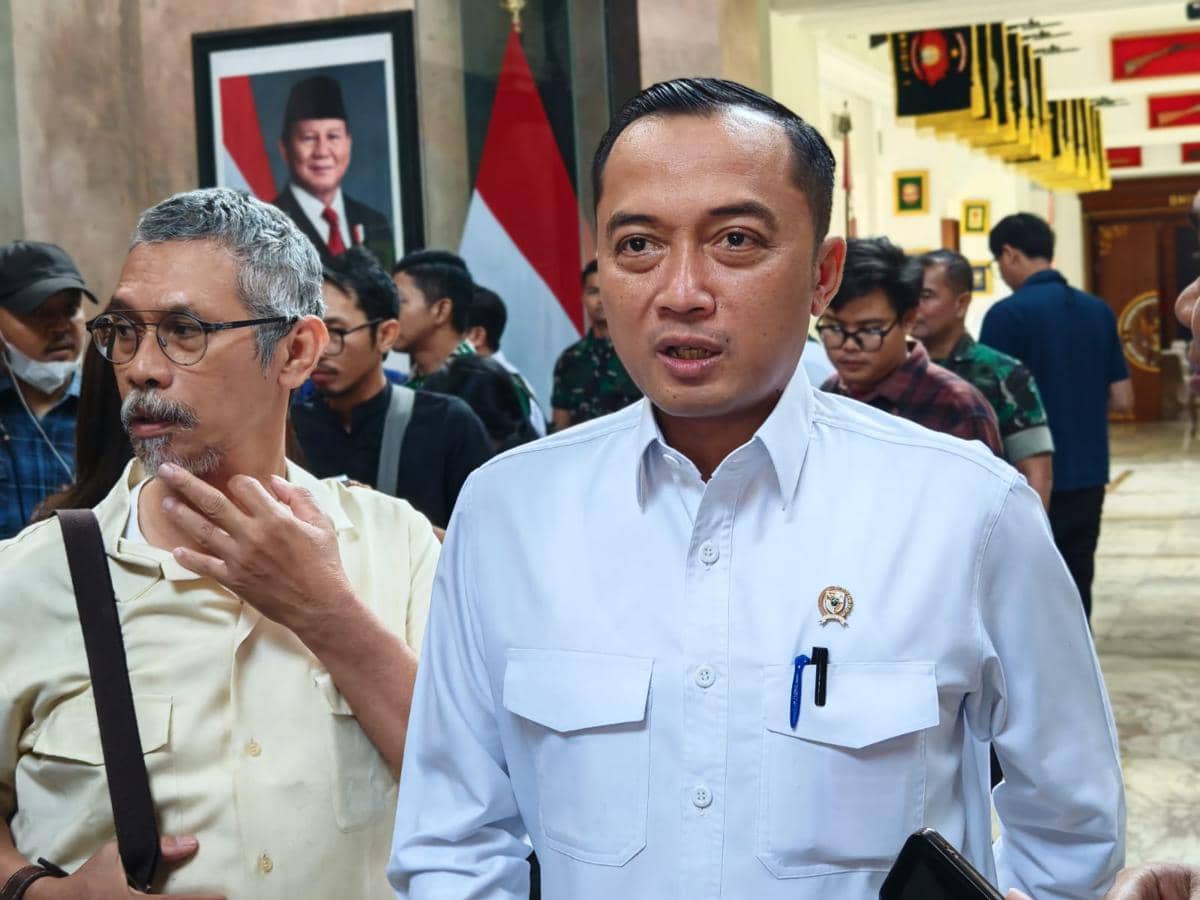
Despite these extensive plans for budget optimization, vital social programs will remain untouched. State Secretary Minister Prasetyo Hadi has firmly assured the public that funding for the Free Nutritious Meals (MBG) program and the Red and White Village Cooperatives (Kopdes) will not be cut. “We will not cut these programs. Instead, we are opting to reallocate spending from ineffective or less impactful areas to prioritize productive programs that truly benefit and alleviate the burden on society. Those are our main priorities,” Teddy, presumably referring to Prasetyo Hadi, stated at the Ministry of Defense in Jakarta on Tuesday, March 17, 2026.
This commitment to protecting essential public welfare initiatives was further echoed by Coordinating Minister Airlangga, who also affirmed that the budgets for MBG and Village Cooperatives would not be reduced, lending additional weight to the government’s stance on social protection.
Government Targets Business Travel for Efficiency Drive
Among the key areas identified for immediate efficiency is official travel. Prasetyo Hadi specifically highlighted that this measure has been rigorously implemented even before the recent escalation of geopolitical tensions involving Iran, the United States, and Israel. “For instance, overseas official travel continues to be strictly controlled. As the State Secretary, I am at the forefront of issuing these permits and have been tightening restrictions on international trips,” he emphasized, underscoring the government’s long-standing commitment to fiscal prudence.
Finance Minister Directs Ministries to Prepare for Potential Cuts
Adding another layer to this strategic fiscal adjustment, Finance Minister Purbaya Yudhi Sadewa previously announced that the government is already preparing scenarios for state expenditure efficiency. This anticipatory step is crucial given the potential for increased pressure on the APBN, particularly from the ongoing conflict in the Middle East. To this end, all ministries and agencies (K/L) have been instructed to calculate potential budget reductions should they become necessary. This foresight is designed to mitigate the impact of rising global oil prices, which could significantly increase energy subsidies and overall state spending. “If fuel prices continue to climb, implementing efficiency measures is our first course of action,” Purbaya asserted after a coordination meeting at the Coordinating Ministry for Economic Affairs on Monday, March 16, 2026, reinforcing the government’s resolve to maintain a maximum 3 percent deficit.
New Program Proposals Face Scrutiny and Potential Postponement
Furthermore, the government plans to critically evaluate all additional programs or new budget proposals that could add further strain to state spending. Such new initiatives may face postponement to ensure maximum utilization of funds already allocated within the 2026 APBN. Purbaya elaborated on this strategy, stating, “With the current 2026 budget, our focus is firmly on programs already in motion. Additional programs or new spending requests from ministries and agencies will likely be deferred.” This focused approach aims to ensure that existing, impactful projects are adequately funded and executed, while maintaining fiscal discipline in the face of evolving economic landscapes.
Summary
The Indonesian government plans significant State Budget (APBN) efficiency measures to keep the fiscal deficit below 3 percent amidst global uncertainties. Despite this, vital social programs like Free Nutritious Meals (MBG) and Red and White Village Cooperatives (Kopdes) will not face cuts. State Secretary Minister Prasetyo Hadi confirmed funds will be reallocated from less effective areas to productive programs beneficial to society, a stance also affirmed by Coordinating Minister Airlangga.
Efficiency efforts will target areas such as official business travel, which is already under strict control. Finance Minister Purbaya Yudhi Sadewa has instructed all ministries and agencies to prepare for potential budget reductions, especially due to rising global oil prices. Furthermore, new program proposals or additional spending requests are likely to be postponed to ensure maximum utilization of existing 2026 APBN funds.