
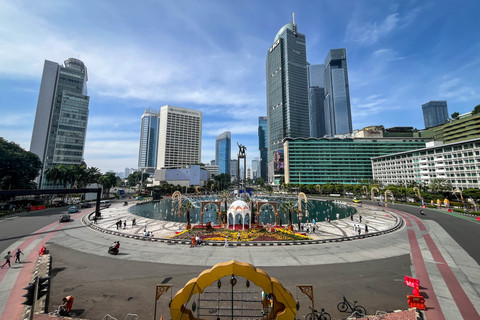
A serene calm descended upon Jakarta’s usually bustling main thoroughfares on the second day of Eid al-Fitr 2026. The city’s pulse slowed significantly across key arteries such as Jalan Gatot Subroto, Jalan Jenderal Sudirman, and M.H. Thamrin, as observed on Sunday, March 22. This remarkable tranquility offered a stark departure from the capital’s typical rhythm.
These vital arteries, typically choked with a relentless flow of vehicles, presented an almost unprecedented stillness. While some cars still traversed their lengths, the sheer volume was drastically reduced from the daily norm. There was no congestion, no frustrating queues, just an open expanse of asphalt rarely witnessed by city dwellers.
This remarkable phenomenon is a recurring spectacle during Indonesia’s major long holidays, particularly during the annual Lebaran exodus. During this period, a significant portion of Jakarta’s metropolitan population embarks on the tradition of ‘mudik,’ returning to their ancestral hometowns. The substantial decrease in vehicle volume affords Jakarta’s often-gridlocked roads a rare, much-needed moment to ‘breathe’ and recover from incessant traffic jams.
The current tranquil state stands in stark contrast to the daily grind, where these very same main roads are infamous hotspots for heavy congestion, particularly during the frantic morning and evening rush hours. This temporary reprieve offers a fleeting glimpse into a Jakarta free from its usual urban snarl, a rare luxury for its residents.
Summary
Jakarta’s main thoroughfares, including Jalan Gatot Subroto, Jalan Jenderal Sudirman, and M.H. Thamrin, experienced remarkable calm on the second day of Eid al-Fitr 2026, Sunday, March 22. This offered a stark contrast to the city’s typical bustling rhythm and heavy traffic. The volume of vehicles was drastically reduced, presenting an unprecedented stillness with no congestion.
This tranquility is a recurring phenomenon during the annual Lebaran exodus, when a significant portion of Jakarta’s population embarks on the tradition of ‘mudik’ to their hometowns. The substantial decrease in vehicles allows the often-gridlocked roads to “breathe” and recover from constant jams. It provides a rare glimpse into a Jakarta free from its usual urban snarl.