
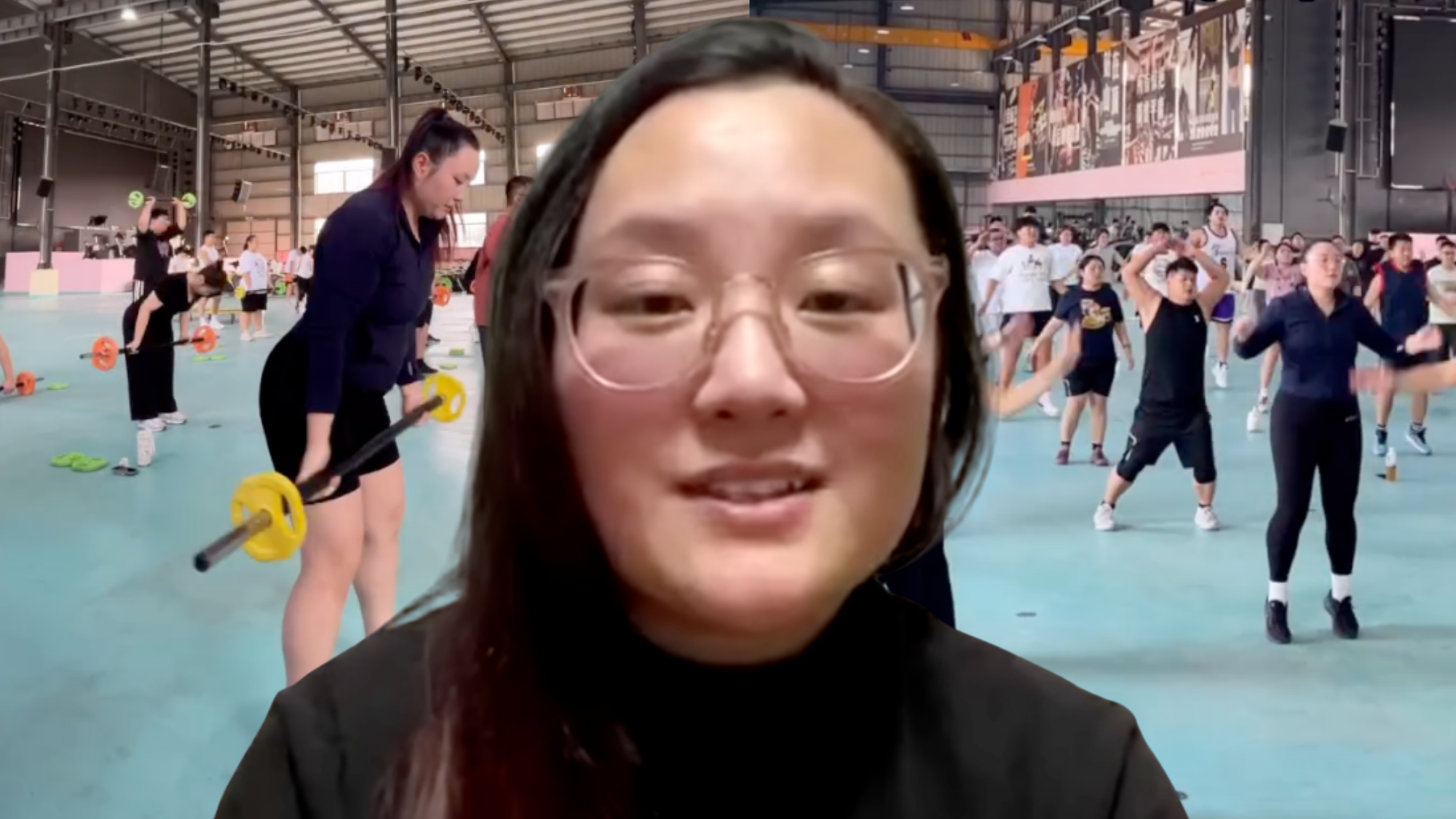

Viral videos depicting individuals vigorously exercising in large halls, queuing for meals in canteens, and sleeping on rows of bunk beds have captivated social media audiences. Far from being luxury resorts, these are military-style weight loss camps in China. Dubbed “fat prisons” by some, these rigorous facilities enforce strict bans on snacks and mandate participants to weigh themselves twice daily.
State media reports indicate the presence of approximately 1,000 such camps across China. For a monthly fee of US$600 (approximately 10.3 million Indonesian Rupiah), participants receive accommodation, meals, and daily exercise classes.
Content creator TL Huang, who documented her experience on Instagram, shared with the BBC World Service podcast “What in the World” that staying at one of these camps felt “truly like a prison.” Huang revealed she did not leave the complex for 28 days and was under constant obligation to monitor her weight. “The trainers watched us, making sure we didn’t smuggle in fast food and that we attended all classes – we weren’t allowed to skip classes or leave the camp without a valid reason,” she recounted.
Despite Huang’s assertion that the methods were effective for her, nutrition experts caution that such extreme approaches carry serious physical and psychological risks. “Some camps reportedly target a weight loss of one kilogram per day. This far exceeds what is considered safe, even for adults under medical supervision,” warned personal trainer and nutritionist Luke Hanna.
So, how do these controversial camps operate, and what accounts for their surging popularity?
‘Time for a Change’
Huang first learned about these camps from her mother. She admitted feeling “extremely unhealthy” after traveling solo across China and indulging in various foods. Over three years, Huang noted she had gained approximately 20 kilograms. Numerous comments from relatives led her to feel “it was time for a change.” “I felt shamed for being overweight, but at the same time, I knew their concern came from a place of love,” she explained.
Entering the camp was a “huge shock,” Huang recalled, yet she also found a powerful sense of camaraderie among participants, all united by their shared determination to lose weight. The daily regimen, commencing promptly at 7:30 AM with a weigh-in, encompassed four hours of intense physical activity, including spin classes, trampolining, High-Intensity Interval Training (HIIT), Tabata, and weight training.
Breakfast typically consisted of four boiled eggs, half a tomato, and two slices of cucumber. In one of her videos, Huang showcased a lunch menu featuring shrimp, steamed vegetables with either tofu or steamed fish, Chinese celery, other steamed leafy greens, and cauliflower. She described the food as “tasty, balanced, and designed to mimic everyday Chinese cuisine.”
Following dinner, participants were expected to complete a final hour-long spin class before their second weigh-in at 7:30 PM, after which they could shower and rest. Huang noted that the rigorous exercise routine felt “very new” during the first week, but the daunting realization of three more weeks of the same set in. Exchanging messages with friends proved crucial in helping her persevere.
Despite likening the camp to a prison, Huang believes the experience was worthwhile. She lost six kilograms in 28 days. “My body felt re-set and given the structure I needed,” Huang stated, reflecting on her transformation.
‘Disrupting Normal Development’
However, experts urge caution regarding these programs. London-based personal trainer Luke Hanna expressed significant concern over the camps’ methods, particularly noting that rapid weight loss often results in the loss of muscle tissue alongside fat. He emphasized that extreme approaches, such as excessive exercise, significantly heighten the risk of muscle mass depletion.
This issue becomes particularly critical when children or teenagers undertake such weight loss methods. “They also risk disrupting normal development, potentially affecting their final height and bone health,” Hanna elaborated.
Extreme methods can also precipitate psychological problems, including an elevated risk of eating disorders. “While some individuals do experience significant weight loss, making these camps appear appealing, many will quickly regain the weight upon returning to normal life because such methods fail to address the underlying causes or issues,” he explained.
In contrast, the UK’s National Health Service (NHS) recommends gradual weight loss of between 0.5 to 1 kilogram per week. Hanna advises focusing on incremental habit changes: enjoying nutritious meals regularly, ensuring adequate protein intake, and engaging in exercise for skill development, recreation, and enjoyment, rather than perceiving it as punishment.
Indeed, in a more recent Instagram video, TL Huang confessed that the most challenging part was returning home, as her body no longer understood what a “normal” eating pattern entailed. Experts highlight that a healthy diet should encompass at least five portions of fruits and vegetables daily, alongside 150 minutes of physical activity per week. Opting for water instead of sugary drinks and reducing the intake of high-fat and high-sugar foods can also significantly contribute to sustainable health.
‘Discrimination’
These weight loss camps began to proliferate in China in the early 2000s, following a television program that documented activities at a weight loss facility, according to Wanqing Zhang from the BBC’s Global China unit. Coaches featured on these shows subsequently ventured to open their own weight loss camps. However, the most significant surge in their popularity has occurred over the last decade, coinciding with the rise of social media.
“If you go onto Chinese social media, you’ll see a vast amount of content uploaded by either the organizers of these weight loss camps or the clients attending them,” Zhang observed. The spectrum of camps ranges from strictly disciplined ones, like the one Huang attended, to incredibly extreme facilities where CCTV might be installed outside dormitories to prevent participants from ordering food. Conversely, Zhang noted, there are also “very luxurious, high-end style retreats where you might be running on a treadmill facing a beautiful lake.”
The proliferation of these camps is intrinsically linked to rising obesity trends. In many countries, over 50% of adults are classified as overweight or obese. According to Chinese health authorities, approximately 34% of adults in the country are overweight, while 16% are classified as obese. There is also a significant cultural dimension, Zhang explained. “China has a relatively low level of acceptance and tolerance for weight diversity. This means if you are overweight, you tend to face more discrimination in the workplace or in the dating world.”
The prevalence of refined carbohydrates in staples like rice, dumplings, and noodles contributes to the issue, compounded by the global trend of people spending leisure time indoors glued to phones or tablets, rather than engaging in outdoor activities.
Meanwhile, Huang’s Instagram now reveals her in Thailand, undertaking yet another 30-day weight loss challenge, exercising for two hours daily amidst extreme heat, continuing her quest for a structured lifestyle.
- The trend of childhood and adolescent obesity in Indonesia has tripled over the last two decades, according to UNICEF research.
- Why are many young Japanese women obsessed with being thin?
- Why is long-duration walking better for heart health?
- From pant sizes to ‘unscientific stethoscopes’ – What are Minister of Health Budi Gunadi’s controversial statements and policies?
- Ultra-processed foods may be linked to early death.
- As an impact of economic growth, over half of China’s population is overweight.
Summary
Military-style weight loss camps in China, colloquially known as “fat prisons,” have gained viral attention for their rigorous regimens. Participants engage in intense daily exercise, strict meal plans, and mandated twice-daily weigh-ins, with monthly fees around US$600. Content creator TL Huang, who documented her experience, likened the camp to a prison but found the methods effective, leading to a 6 kg weight loss in 28 days.
However, nutrition experts warn that these extreme approaches carry significant physical and psychological risks, including muscle loss and potential eating disorders, often leading to rapid weight regain. The camps’ surging popularity is driven by rising obesity rates in China and a cultural environment that fosters discrimination against overweight individuals.
