
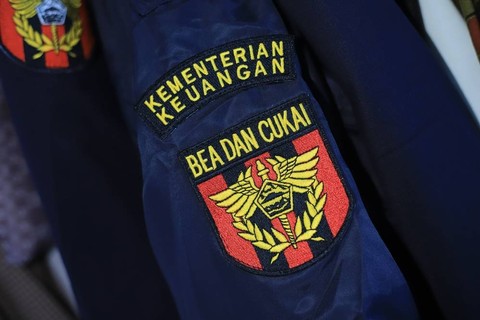
The Jakarta Regional Office of the Directorate General of Customs and Excise (DJBC) has intensified its monitoring of the circulation of luxury imported goods, particularly high-value watches, across various locations in Jakarta. These targeted inspections aim to ensure that all such products adhere strictly to established customs and taxation administrative procedures.
According to Siswo Kristiyanto, Head of the Enforcement Section at the Jakarta Regional Customs Office, authorities received intelligence regarding foreign shipments of watches that bypassed proper customs mechanisms. “Our focus is on high-value items like luxury watches entering Indonesia’s customs territory, especially those that have either been undeclared or incorrectly declared in import documents,” Siswo stated during an inspection in the District 8 area of SCBD, Jakarta, on Tuesday, March 10th.
During the most recent inspection conducted at several luxury product retailers, Customs officials did not immediately carry out any sealing actions. Instead, the supervision is primarily focused on verifying that the luxury goods being sold have fulfilled all customs obligations, including accurate import reporting and the timely payment of import duties and taxes.
Currently, Customs’ primary objective is to ascertain consistency between the goods being traded and the accompanying company documents. Should any items lack detailed verification, business owners are requested to provide further clarification at the Customs office. “Today’s activities did not involve any sealing. We are simply ensuring that the merchandise in the stores aligns with their documents. If anything remains unverified, we communicate with the business owners to seek clarification,” Siswo reiterated.
Siswo noted that this particular inspection marks the fifth such operation. Previous administrative checks and investigations by the Jakarta Regional DJBC had targeted several retailers, including luxury imported jewelry stores such as Tiffany & Co. and Bening Luxury. He explained that from a customs perspective, problematic imported goods found in circulation are considered illegal and could potentially lead to criminal charges. Nevertheless, the current enforcement approach prioritizes administrative compliance.
“Our current priority is the fulfillment of administrative obligations, such as the payment of import duties and taxes, to encourage greater adherence to customs regulations among businesses,” Siswo elaborated. Consequently, Customs urges all business operators who have yet to meet their customs obligations to promptly coordinate with the Jakarta Regional DJBC before further oversight measures are implemented. These enforcement actions are based on relevant customs legislation, specifically Article 74 Paragraph (1) and Article 103 letter d of Law No. 17 of 2006.
Addressing these inspections and sealing operations, Minister of Finance Purbaya Yudhi Sadewa affirmed that the Directorate General of Customs and Excise within the Ministry of Finance will maintain a consistent stance against jewelry and gold shops found to be engaging in illegal trade. He emphasized that the government is committed to cracking down on all illegal economic activities, especially those conducted overtly, which he views as a challenge to governmental authority.
“As the people in the field say, ‘They steal it, then they flaunt its sale right in front of us.’ That’s like insulting the government,” Purbaya stated at his office in Jakarta, in comments quoted on Wednesday, February 25, 2026. This stern warning followed Jakarta Customs’ previous high-profile sealing of three Tiffany & Co. stores in luxury shopping malls, and later, the Bening Luxury Pluit jewelry store in Penjaringan, North Jakarta.
Purbaya underscored that the sealing of various gold shops in Jakarta by the Directorate General of Customs and Excise was a direct consequence of their failure to meet import duty obligations for the commodities they traded. He colloquially described the goods as “half-stolen, half-smuggled,” indicating varying degrees of non-compliance. “This means some goods had 100% unpaid duties, others 50%, or 25%; Customs officials will determine the exact figures,” he explained. Despite the ongoing crackdown, Purbaya admitted that the total state losses resulting from the illegal trade of imported gold and jewelry across various shops in Jakarta remain undetermined.