

Residents in Depok are anxiously awaiting the reactivation of their BPJS Kesehatan PBI (Penerima Bantuan Iuran) segment memberships. This essential free health insurance for the less fortunate was abruptly deactivated on February 1st by the Ministry of Social Affairs’ system, citing a data update initiative. The sudden disruption has plunged many into distress, particularly patients suffering from chronic diseases who are critically dependent on these complimentary healthcare services, such as routine dialysis.
The deactivation of BPJS PBI, which ensures that premiums are fully covered by the government for eligible low-income citizens, has triggered widespread panic. For those with ongoing medical conditions, the immediate cessation of coverage poses a life-threatening challenge, underscoring the vital role this program plays in their well-being and financial stability.
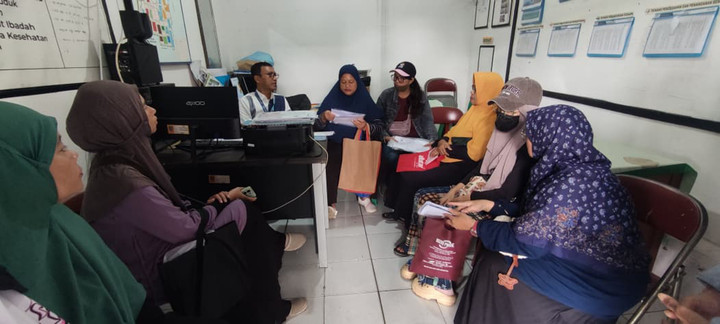
As observed in Depok on Tuesday, February 10th, numerous concerned residents flocked to the Bhaktijaya Sub-district office. This surge in visitors reflects the urgent need for clarity and resolution regarding their suddenly defunct healthcare access, transforming local administrative offices into crowded hubs of anxiety.

Among those severely impacted is Winda, whose husband is a patient battling kidney failure. She recounted her dismay and confusion when her husband’s crucial routine dialysis treatments were abruptly halted due to his inactive BPJS membership. “It is incredibly difficult and detrimental,” Winda expressed with heavy heart. “I truly need this PBI because my husband is currently unemployed, having been forced to stop working due to his chronic illness.”
The financial strain on Winda’s family is immense. “So, whether we like it or not, we’ve had to borrow money from friends to cover urgent treatment. My husband has already missed two dialysis sessions,” she added, highlighting the dire consequences of the suspended coverage. Winda is now caught in a bureaucratic loop, frequently returning to the sub-district office to complete the necessary reactivation documents, a taxing process that only adds to her family’s burden.
Cindy, another affected resident, faced a similar ordeal when seeking hospital treatment. She was turned away because her BPJS was no longer active. “I discovered my membership was deactivated on February 4th when I tried to seek treatment. I wanted to take my sister for a post-surgery check-up, but the hospital rejected us because the BPJS was inactive,” Cindy lamented, detailing a frustrating journey through the system.
Cindy further explained the convoluted process she endured: “The hospital staff directed me to activate it at the BPJS office, and from there, the BPJS office then redirected me back to the sub-district office.” Currently, Cindy is still patiently waiting for her documents to be processed, hoping to complete the activation of her essential but deactivated BPJS membership.
In response to the overwhelming demand, the Bhaktijaya Sub-district office has extended its service hours, offering BPJS PBI reactivation assistance until 8 PM. Lurah (Head of) Bhaktijaya, Rizki Desa, clarified that his office is proactively engaging in intensive outreach efforts to inform residents about the BPJS deactivation.
“We are disseminating information through social media channels to ensure that Community Unit (RW) officials can urge their residents—anyone who finds their BPJS inactive—to promptly visit the sub-district office for re-registration,” Rizki stated. He acknowledged the increased workload, explaining, “The difference now is that it’s much busier, as many people are coming for validation, rechecking their ‘decile’ status, and confirming their BPJS status in relation to their decile position.” This influx underscores the scale of the challenge in ensuring every eligible citizen can regain access to their vital health insurance.
Summary
Residents in Depok are facing significant distress after their BPJS Kesehatan PBI memberships were abruptly deactivated on February 1st by the Ministry of Social Affairs for a data update. This sudden disruption has severely impacted many, especially patients with chronic diseases who rely on these free health services for critical treatments like routine dialysis. The deactivation has left numerous low-income citizens without essential healthcare coverage.
For instance, Winda’s husband, a kidney failure patient, missed two crucial dialysis sessions due to his inactive BPJS, forcing her family to borrow money for urgent treatment. Similarly, Cindy was denied hospital services for her sister’s post-surgery check-up due to the inactive status. In response, the Bhaktijaya Sub-district office in Depok has extended its service hours and is actively informing residents to facilitate the re-registration and reactivation of their vital BPJS PBI memberships.