
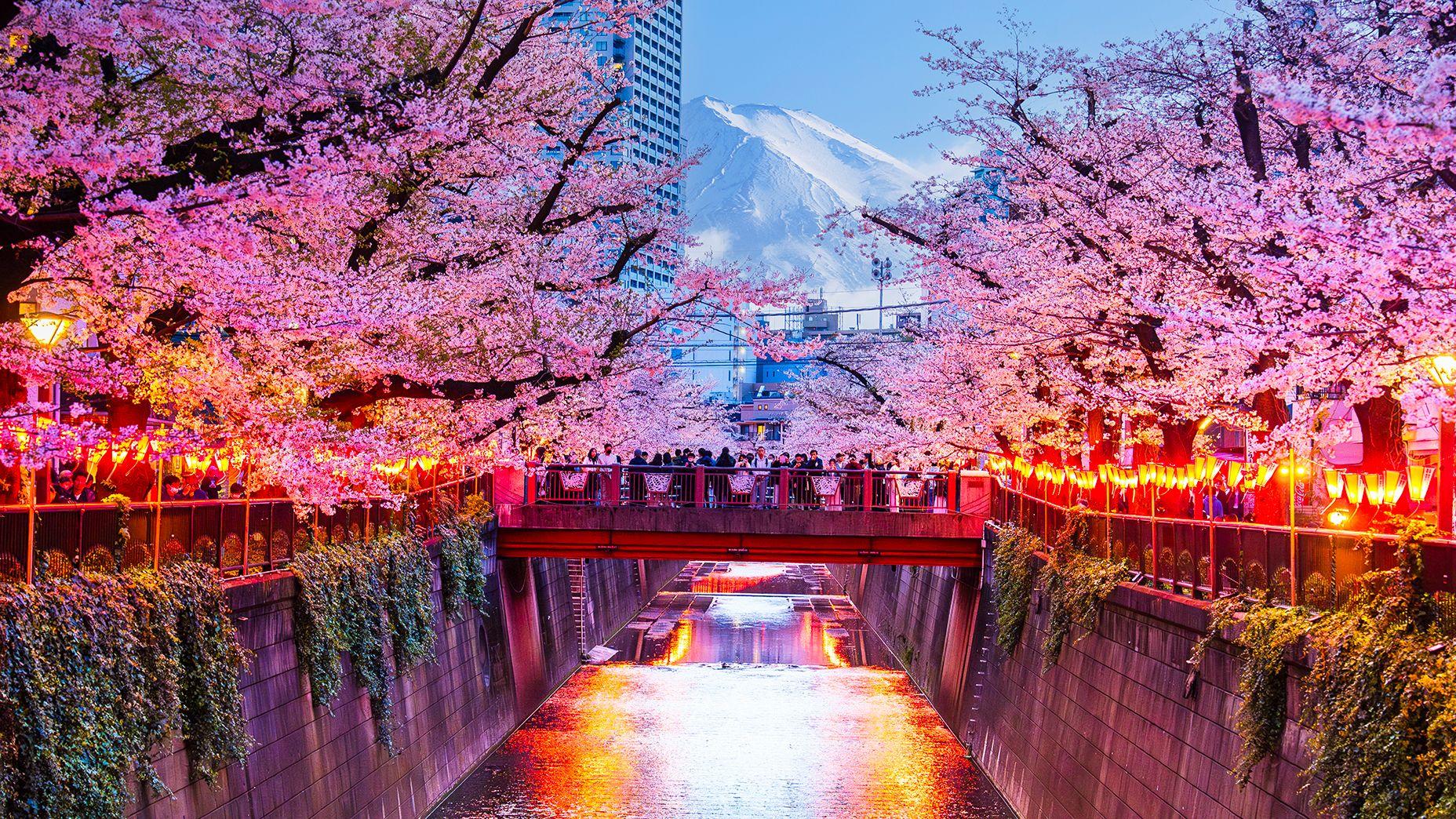

The local government of a Japanese city nestled near Mount Fuji has made the difficult decision to cancel its annual cherry blossom festival this year, citing an unmanageable surge in tourist numbers that has severely overwhelmed local residents.
The overwhelming influx of visitors to Fujiyoshida City has led to chronic traffic congestion and widespread littering. Local residents have also reported alarming incidents, including tourists trespassing on private property and even public defecation in their gardens, highlighting a severe breakdown in visitor etiquette.
Fujiyoshida City stands as a highly sought-after destination during spring, celebrated for its abundant blossoming cherry trees and breathtaking, unobstructed views of Mount Fuji, creating a picturesque landscape that draws international attention.
However, this very beauty now threatens the “quiet lives of residents,” stated Mayor Shigeru Horiuchi. He underscored the severity of the situation, adding, “We are in a severe crisis, facing challenges that undermine our community’s well-being.”

“To protect the dignity and living environment of our citizens, we have decided to end this 10-year-old festival,” Horiuchi announced on Tuesday, February 3rd. This drastic measure highlights the growing challenges posed by rampant overtourism in cherished Japanese locales.
The roots of this tourist boom can be traced back to April 2016 when authorities first opened the gates of Arakurayama Sengen Park, specifically to welcome visitors during the much-anticipated cherry blossom season, hoping to boost local engagement.
The park quickly rose to prominence, offering stunning panoramic views of the city from its iconic pagoda, framed by Mount Fuji. Several spots within Fujiyoshida became celebrated as prime “Instagrammable” locations, further amplifying its global appeal and visitor numbers.
Read also:
- Indonesian tourists’ behaviour in Japan and Singapore condemned by netizens
- Kyoto to ban tourists from Geisha districts due to ‘unruly’ conduct
- Burying the dream of owning land in Bali – Residents ‘squeezed’ between tourism development and living needs
The Fujiyoshida City government initially organized annual events at Arakurayama Sengen Park with the aim of fostering a “festive atmosphere” and boosting visitor numbers. This strategy proved highly effective, perhaps too much so, leading to unintended consequences.
The city now reports that visitor numbers in recent years have “increased dramatically,” far exceeding the city’s capacity. This surge has resulted in rampant overtourism, which profoundly impacts the local residents’ living environment and infrastructure.
During the peak cherry blossom season, an astounding 10,000 visitors now inundate the city daily, according to figures released by the Fujiyoshida City government. This dramatic rise strains local resources and significantly disrupts daily life for permanent residents.
This exponential increase is attributed to a confluence of factors, including a weakened yen, which makes Japan more affordable for international travelers, and explosive popularity largely fueled by pervasive social media trends and influencers.
City authorities have detailed numerous egregious incidents of tourist misconduct. These include visitors “opening private home doors without permission to use toilets,” brazenly trespassing on private property, blatant littering across public spaces, and even “defecating in residents’ gardens and causing commotion when residents objected.”
Despite the cancellation of the festival, the city remains braced for a continued increase in visitors throughout April and May, indicating that the fundamental challenges of managing tourist flow and ensuring respectful conduct are far from over.

This is not an isolated incident; Japanese authorities have repeatedly had to take decisive action to manage the overwhelming flood of tourists across the nation, as various popular sites grapple with similar issues.
Earlier in 2024, officials took the drastic step of blocking one of Japan’s most iconic photo spots in Fujikawaguchiko. This measure was implemented specifically to deter misbehaving tourists whose actions, including public disturbances, were causing significant disruption to the local community.
Residents of Fujikawaguchiko had leveled accusations against foreign tourists, citing issues such as widespread littering and illegal parking as they congregated to capture photographs, underscoring the broader problem of tourist etiquette and its impact on local life.
Read also:
- ‘Expectation versus reality’ – Has Bali become a victim of its own tourism success?
- Tourist-packed European cities fight ‘overtourism’ – ‘Initially profitable, but residents lose quality of life’
Japan is far from the only nation grappling with the challenge of preventing tourist congestion and its detrimental effects on local communities and heritage sites. The global phenomenon of overtourism is prompting similar interventions worldwide.
Just recently, on Monday, February 2nd, Italian authorities introduced a €2 (approximately Rp40,000) entry fee to access the iconic Trevi Fountain area in Rome. This historic area was previously freely accessible to all tourists, regardless of crowd levels.
Authorities have clarified that this new fee will serve a dual purpose: to help manage the sheer volume of tourists visiting the landmark, thereby alleviating congestion, and to generate essential funds for the ongoing maintenance and preservation of the historic monument itself.
- Indonesian tourists’ behaviour in Japan and Singapore condemned by netizens – ‘If we don’t like seeing the behaviour of foreign tourists in Bali, we shouldn’t be like that’
- Why did the Japanese government intentionally block Mount Fuji views?
- Kyoto to ban tourists from Geisha districts due to ‘uncontrolled’ behaviour
Summary
Fujiyoshida City in Japan has canceled its
