
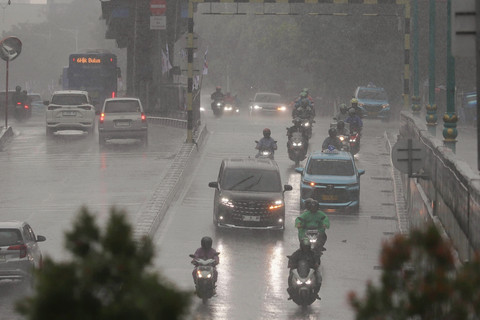
Indonesia is bracing for a period of extreme rainfall, with the Meteorology, Climatology, and Geophysics Agency (BMKG) predicting high-intensity downpours reaching 300-400 millimeters (mm) per day in the coming months. This severe weather pattern is directly attributed to ongoing climate change trends, which are significantly elevating the risk of hydrometeorological disasters across the archipelago.
Andri Ramdhani, Acting Deputy for Meteorology at BMKG, elaborated on the agency’s comprehensive daily rainfall classification system. He explained that light rain falls within the 0-5 mm per day range, moderate rain measures 20-50 mm, heavy rain is 50-100 mm, and very heavy rain registers 100-150 mm per day. However, recent forecasts indicate a much more alarming scenario.
During a discussion at the House of Representatives on Thursday, February 5th, Andri warned that Indonesia is poised to experience “very, very extreme” rainfall, consistently exceeding 150 millimeters per day. He cautioned that daily precipitation could frequently surpass 200 mm, 300 mm, and even reach a staggering 400 mm in the months ahead, far exceeding established categories for severe weather.
This intense wet period is projected to persist until the transition to the dry season, expected around March and April. Consequently, BMKG is issuing urgent warnings to communities in Sumatra and Java regarding the heightened potential for devastating hydrometeorological disasters, such as floods and landslides, which often accompany such torrential rains.
Andri specifically highlighted regions south of the equator as critical areas for vigilance during this peak rainy season. These include southern Sumatra, Java Island, Bali, and Nusa Tenggara. These vulnerable areas will require particular attention from December through February, extending into the March-April transition period, as they face the most significant threats. Historical data underscores that Sumatra and Java, in particular, are highly susceptible to these types of climatic events, making precise risk mapping and preparedness crucial.
Beyond the immediate threat of extreme wet weather, BMKG is continuously updating its data on various extreme weather potentials, including the looming prospect of drought during the upcoming dry season. Andri emphasized that the agency’s dynamic updates, provided monthly and daily, encompass more than just “wet” hydrometeorological events.
“Drought also requires our vigilance,” Andri stated, underscoring the comprehensive nature of their warnings. He elaborated on the potential for severe water deficits impacting agriculture and increasing the risk of widespread forest fires. These dry season impacts are typically observed in June, July, and August, necessitating proactive measures from both authorities and the public to mitigate their effects.
Summary
The Meteorology, Climatology, and Geophysics Agency (BMKG) forecasts “very, very extreme” rainfall across Indonesia, with daily precipitation potentially reaching 300-400 millimeters, significantly exceeding established severe weather categories. This intense wet period, linked to ongoing climate change, is projected to last until the dry season transition in March and April. The agency warns of a heightened risk for devastating hydrometeorological disasters, including floods and landslides.
BMKG has issued urgent warnings, particularly for communities in Sumatra and Java, with critical vigilance needed in areas south of the equator like Bali and Nusa Tenggara, from December through April. Beyond the immediate extreme wet weather, BMKG also continuously updates data on potential drought and increased forest fire risks during the upcoming dry season, typically in June, July, and August.
