
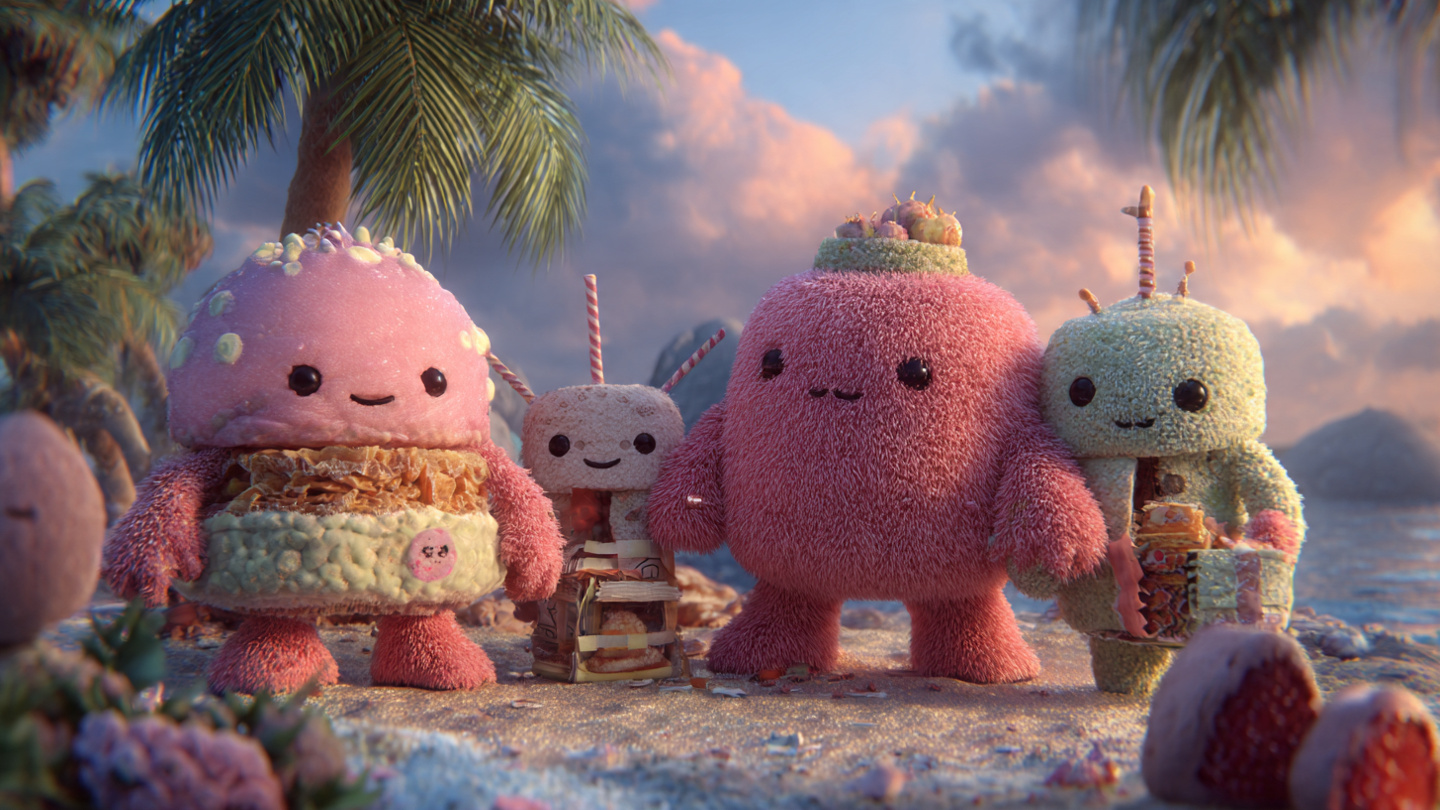
The digital world has a peculiar habit of churning out phenomena that defy easy categorization. Remember the feverish embrace of Pokémon in the late 90s, a global obsession that introduced a generation to pocket monsters and strategic battling? Fast forward to early 2024, and a new contender, Palworld, has erupted onto the scene, sparking a familiar yet distinctly different kind of fascination. It’s a game that, at first glance, appears to blend the creature-collecting allure of Pokémon with the gritty survival mechanics of titles like Rust or Ark: Survival Evolved. But to dismiss it as mere imitation would be to miss the complex, often unsettling, tapestry that developer Pocketpair has woven.
The Unsettling Familiarity: Creature Collecting with a Darker Hue
The immediate draw of Palworld lies in its striking visual and thematic parallels to established franchises. Players find themselves in a vast open world, tasked with capturing a menagerie of creatures known as “Pals.” These Pals, with their whimsical designs and elemental abilities, evoke a powerful sense of nostalgia. However, this familiarity is quickly subverted. Unlike the generally benevolent interactions in other creature-collecting games, Palworld introduces a decidedly utilitarian, and at times brutal, approach to these companions.
Consider the stark contrast: Pokémon trainers aim to foster bonds, to understand and empower their creatures through training and friendship. In Palworld, Pals are not just allies; they are a workforce. They mine ore, chop wood, operate machinery, and even act as artillery on the battlefield. This pragmatic exploitation, while efficient for survival, raises ethical questions for players. It’s a system that encourages viewing these companions less as sentient beings and more as highly specialized tools. This fundamental divergence from the established genre tropes has been a key driver of conversation, forcing players to confront their own expectations of what a creature-collecting game can and should be. The implications for how we interact with virtual companions are significant, pushing the boundaries of player agency and digital responsibility.
Beyond the Grind: Palworld’s Deep Survival Systems
Survival games, by their nature, demand constant engagement with resource management and environmental challenges. Palworld is no exception, presenting a robust framework of mechanics designed to keep players on their toes. Building a base requires meticulous planning, from ensuring a steady supply of food and water to defending against raids by hostile factions or wild Pals. The crafting system is extensive, allowing for the creation of everything from basic tools and weapons to advanced technological marvels.
What distinguishes Palworld in this crowded genre is how it integrates its Pal-capturing element into the survival loop. Rather than simply being combat companions, Pals are crucial for almost every aspect of base development and resource acquisition. A Pal with the “Kindling” trait becomes an invaluable furnace operator, while one with the “Transporting” skill can significantly speed up material gathering. This symbiotic relationship elevates the strategic depth, demanding players not only to capture diverse Pals but to carefully consider their placement and specialized roles within their ever-expanding settlement. This makes the acquisition of new Pals not just an act of collection, but a critical step in optimizing survival and progress, a stark departure from purely aesthetic or combat-focused creature companions.
The Ethical Tightrope: Player Choice and Pal Management
The moral quandaries presented by Palworld are perhaps its most discussed and divisive element. The game allows players to engage in actions that range from benign to ethically questionable. Pals can be healed, fed, and even bred for desirable traits. Yet, they can also be sold for profit, used as fodder in battles, or even subjected to more sinister fates within the confines of base development. This freedom of choice, while central to the player’s experience, has ignited debates within the gaming community.
The game’s systems are designed to reward efficiency, and often, the most efficient path involves exploiting Pals in ways that might be considered cruel in other contexts. For instance, a Pal that becomes injured in combat might be more “valuable” to sell off for parts than to nurse back to health, especially if it’s a common species. This is where the comparison to real-world ethical dilemmas becomes relevant. Just as in the real world, where the treatment of animals or the labor force can be viewed through different lenses depending on necessity and prevailing norms, Palworld forces players to grapple with the consequences of their in-game decisions. The implications for players are profound: it prompts introspection on how readily we can detach from the perceived sentience of digital entities when survival or progress is at stake.
Palworld’s Distinctive Management Strategies
Managing a thriving settlement in Palworld involves a multifaceted approach, where the effective utilization of Pals is paramount. Different Pals possess unique “Work Suitability” traits that dictate their effectiveness in various tasks around the base. Understanding and leveraging these traits is crucial for optimizing production and ensuring the smooth operation of your burgeoning community.
| Pal Species | Primary Work Suitability | Secondary Work Suitability | Notable Skills |
|---|---|---|---|
| Lamball | Handiwork, Transporting, Farming | Can be sheared for Wool | |
| Cattiva | Handiwork, Transporting, Mining | Fast worker | |
| Chillet | Cooling | Provides constant chill effect | |
| Fuack | Watering, Handiwork | Excellent for farming and crafting | |
| Sparkit | Electricity Generation | Powers electrical devices |
This table highlights just a fraction of the Pals available and their core functions. The strategic placement of Pals with specific work suitabilities directly impacts efficiency. For example, a base heavily reliant on crafting will benefit immensely from multiple Pals with high Handiwork skills, while a mining operation requires Pals adept at mining. The game encourages experimentation and adaptation, as players will undoubtedly discover synergistic combinations of Pals and tasks that propel their progress forward. The implications for players are clear: a deep understanding of Pal abilities is not just beneficial, it’s essential for long-term success.
The Uncharted Territory of Player Reception and Developer Response
The launch of Palworld was met with a deafening roar, propelled by viral clips and an insatiable appetite for a fresh take on familiar genres. The sheer volume of players flocking to the game, even during its early access phase, underscores a significant demand for experiences that blend popular mechanics with novel twists. However, this rapid ascent also brought scrutiny. Comparisons to existing intellectual property were swift and often pointed, raising questions about originality and inspiration.
Pocketpair, the developer, has largely embraced the discourse, acknowledging the influences on Palworld while emphasizing their unique vision. Their responsiveness to player feedback, evident in the rapid deployment of patches and updates, has been a crucial factor in sustaining player interest. This iterative development approach, common in early access titles, allows the game to evolve in direct response to community sentiment. The ongoing dialogue between developers and players is essential, shaping not only the future of Palworld but also contributing to a broader understanding of how player expectations and developer intentions can converge or diverge in the dynamic landscape of game development.
As Palworld continues its journey, it leaves in its wake a trail of emergent gameplay, ethical discussions, and a testament to the enduring appeal of exploration and resourcefulness. The game’s impact extends beyond mere entertainment, prompting us to consider the nature of companionship, the ethics of virtual labor, and the ever-evolving definition of innovation in the digital realm. Its success, or indeed its continued evolution, will undoubtedly offer further insights into what players truly seek in their virtual worlds.
