
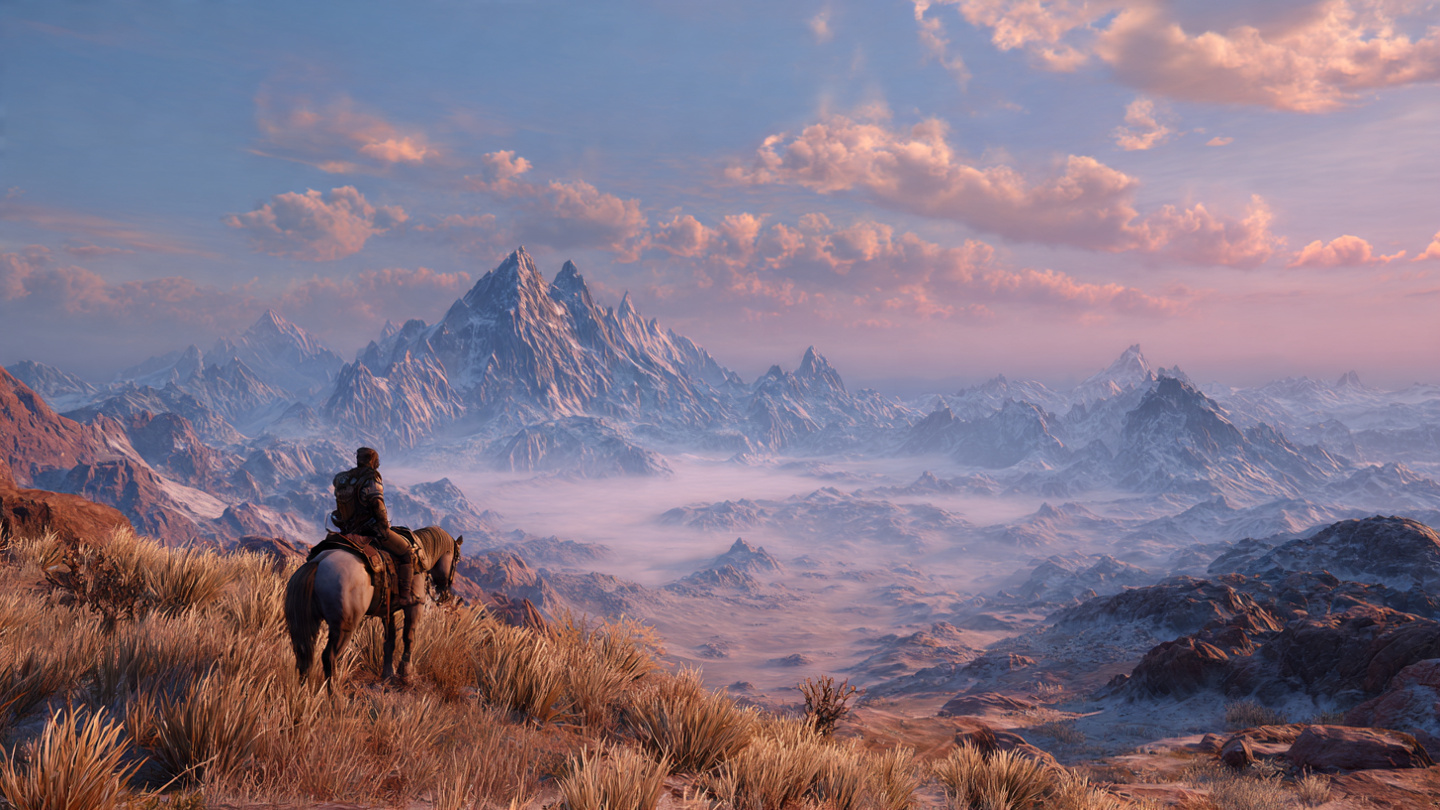
The biting wind whips across the desolate battlefield, carrying with it the stench of stale blood and burnt wood. A lone figure, cloaked and weary, surveys the carnage. This isn’t a scene from a Hollywood epic, but the raw, unforgiving reality that defined medieval Europe – a reality so vividly captured in the first Kingdom Come: Deliverance. For players who found themselves immersed in Henry of Skalitz’s desperate struggle for survival and justice, the anticipation for Kingdom Come Deliverance 2 isn’t merely about more quests or a bigger map; it’s about returning to a world that dared to trade fantasy for a brutally honest portrayal of history.
The original game, released in 2018, was a bold experiment. Eschewing the dragons and magic typical of the genre, it grounded itself in meticulous historical research, from the intricacies of 15th-century combat to the daily lives of common folk. This commitment to authenticity, while polarizing for some, resonated deeply with a dedicated audience yearning for a different kind of role-playing experience. Now, with Kingdom Come Deliverance 2 on the horizon, the developers at Warhorse Studios are poised to expand upon this foundation, promising a narrative that delves even deeper into the turbulent Black Triangle region of Bohemia and the tumultuous socio-political landscape of the era.
Expanding the Canvas: From Village Boy to Knightly Aspirations
The narrative arc of Henry of Skalitz, a simple blacksmith’s son thrust into a world of noble intrigue and brutal warfare, was the heart of the first game. In Kingdom Come Deliverance 2, we are told that Henry’s journey continues, not as a mere survivor, but as an individual shaped by the trials he has endured. The trailers hint at a more confident, perhaps even formidable, Henry, suggesting a progression beyond the often-fumbling protagonist of the initial installment. This evolution, if realized effectively, could offer a compelling character study, exploring how trauma and experience forge an identity.
Consider the real-world parallel of individuals who, through extraordinary circumstances, rise to prominence. A peasant who, through sheer grit and circumstance, becomes a respected soldier or even a minor noble – these stories were not unheard of in the medieval period, though often shrouded in the mists of time. Warhorse Studios has consistently emphasized their dedication to historical accuracy, and Kingdom Come Deliverance 2 appears to be no different. The game’s setting, a more expansive depiction of Bohemia, promises to bring to life not just grand castles and battlefields, but also the intricate network of villages, monasteries, and trade routes that formed the backbone of medieval society. This allows for a richer tapestry of interactions, from bartering with merchants to navigating the complex social hierarchies that dictated life for everyone from serfs to lords.
The Double-Edged Sword of Realism: Immersion vs. Accessibility
One of the defining characteristics of Kingdom Come: Deliverance was its uncompromising approach to realism. The stamina-based combat, the need to eat and sleep, the intricate alchemy system – these elements created an unparalleled sense of immersion for many. However, this same realism presented a steep learning curve, alienating some players who preferred a more forgiving gameplay experience.
With Kingdom Come Deliverance 2, the question of how this balance will be struck is paramount. Will the developers retain the hardcore elements that defined the original, or will they introduce concessions to broaden the game’s appeal? The developers have indicated a desire to build upon the established mechanics, suggesting that core elements of the simulation will remain. However, there’s also a strong possibility of refinements and accessibility options that don’t necessarily compromise the game’s identity. Think of the evolution of historical accuracy in filmmaking; directors strive for authenticity, but often employ narrative devices or slightly streamlined timelines to maintain audience engagement. Kingdom Come Deliverance 2 faces a similar challenge: how to deliver a historically resonant experience that is also enjoyable for a wider audience.
A Deeper Dive: The Nuances of Medieval Conflict
The first Kingdom Come: Deliverance offered a visceral, often brutal, depiction of combat. The systemic nature of the fighting, where each swing and parry mattered, was a significant departure from button-mashing combat systems. For Kingdom Come Deliverance 2, the developers have hinted at further enhancements to this system, aiming for even greater fluidity and responsiveness. This isn’t just about making combat more exciting; it’s about reflecting the grim reality of medieval warfare, where skill, endurance, and a bit of luck were often the deciding factors.
Beyond individual duels, the game’s narrative is intrinsically linked to larger historical events. The Hungarian-Bohemian War of Succession and the ensuing conflicts were periods of immense upheaval. Understanding the motivations of the various factions – the Sigismund loyalists, the Hussites, the common people caught in the crossfire – is crucial to appreciating the game’s narrative depth. Unlike games that present clear-cut good versus evil narratives, Kingdom Come: Deliverance often placed players in morally ambiguous situations, forcing them to make difficult choices with no easy answers. This nuanced approach to conflict is something many hope will be amplified in Kingdom Come Deliverance 2, offering players a chance to grapple with the complex socio-political currents of the era.
The Economic Engine: Crafting and Commerce in the Medieval World
The lives of ordinary people in the Middle Ages were profoundly shaped by their economic activities. For Henry, a blacksmith’s son, understanding the value of craftsmanship and trade is not just a background detail, but a crucial element of his existence. The first Kingdom Come: Deliverance incorporated a detailed alchemy system and allowed for interaction with various merchants, but the economic simulation was relatively basic.
Kingdom Come Deliverance 2 has the potential to delve much deeper into these aspects. Imagine a system where the quality of Henry’s blacksmithing directly impacts the effectiveness of his weapons, or where understanding trade routes and supply and demand can lead to profitable ventures. This kind of simulation goes beyond simply collecting loot; it encourages players to think like their medieval counterparts, where survival often depended on resourcefulness and economic acumen.
| Feature | Kingdom Come: Deliverance (2018) | Kingdom Come: Deliverance 2 (Anticipated) | Implications for Gameplay |
|---|---|---|---|
| World Size | Approx. 16 sq km | Significantly larger, more varied | Offers more exploration opportunities, diverse environments, and potentially deeper questlines spread across a broader geographical area. |
| Combat System | Realistic, stamina-based | Enhanced, more fluid, potentially new mechanics | Promises a more engaging and responsive combat experience, allowing for greater player expression and potentially a deeper understanding of medieval fighting techniques. |
| Narrative Focus | Henry’s personal journey | Expanded narrative, potentially larger scope | Allows for a more complex storyline with broader geopolitical implications, exploring Henry’s growth and his impact on the world around him. |
| Simulation Depth | Detailed, but focused | Potential for deeper economic and social simulation | Could introduce more complex crafting, trade, and social interaction systems, forcing players to engage with the world on a more granular level, akin to actual medieval life. |
| Visual Fidelity | High for its time | Next-generation graphics and detail | Enhances immersion through more realistic environments, character models, and lighting, making the world of 15th-century Bohemia feel more tangible and alive. |
The integration of a more robust economic system could transform the player’s experience from simply completing tasks to actively shaping Henry’s destiny through his skills and acumen. This kind of economic simulation, when done well, can add layers of strategic depth, encouraging players to consider their actions not just in terms of immediate reward, but long-term consequence.
The journey from a humble blacksmith’s apprentice to a figure of consequence is a narrative that resonates deeply, evoking the very essence of historical role-playing. The promise of Kingdom Come Deliverance 2 lies not just in its graphical fidelity or expanded map, but in its potential to further explore the complexities of a bygone era, offering players an opportunity to step into the muddy boots of history and understand the unseen struggles that shaped it. The echoes of the past, captured with such meticulous detail, invite a continued exploration of what it truly meant to live, fight, and survive in medieval Bohemia.
