
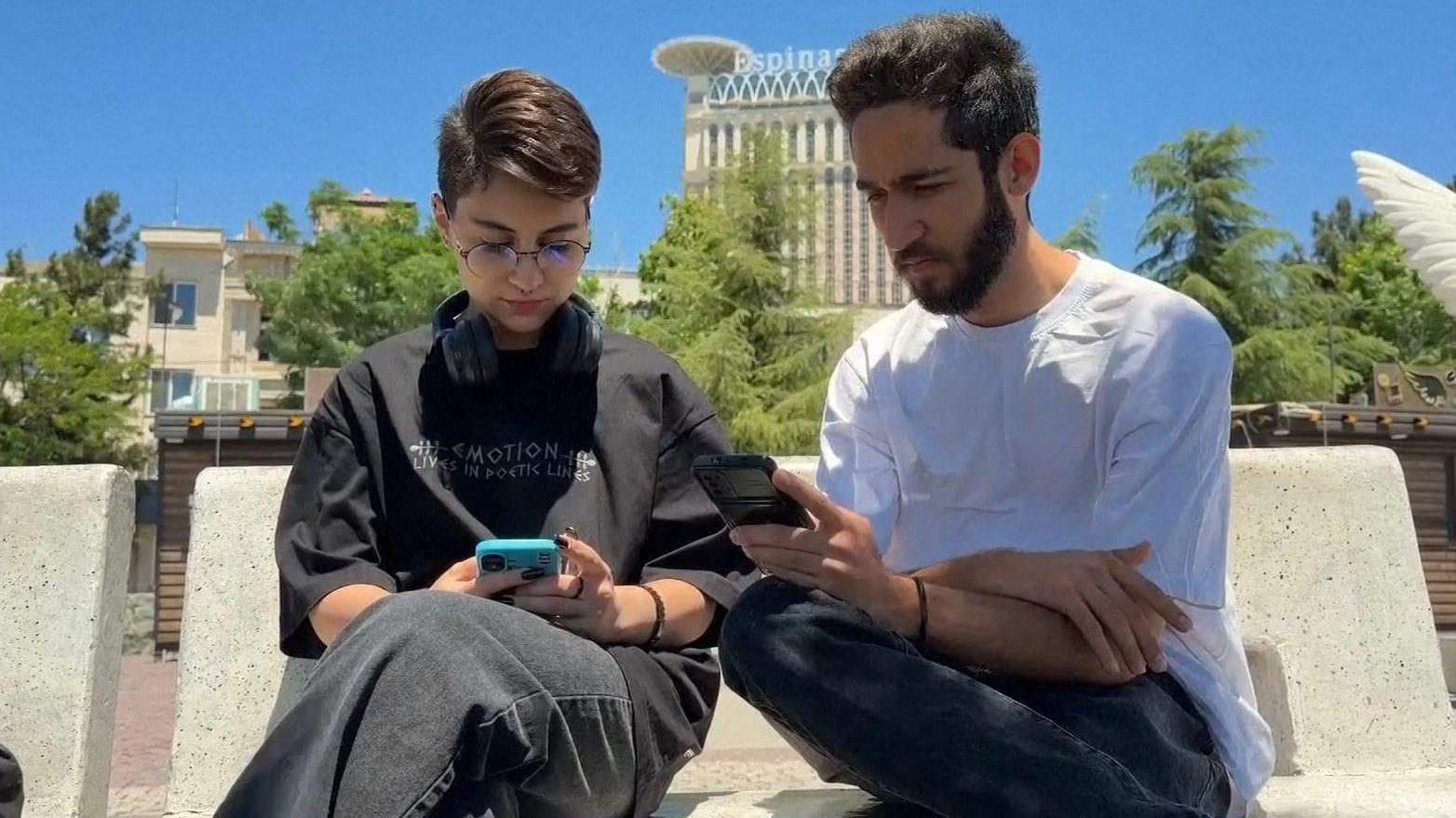

“After 88 days, it feels exactly like a prisoner being released after three months in jail and seeing the sky for the first time.”
That is how one Iranian citizen described the emotional weight of reconnecting to the internet. The government recently ended what monitors have identified as the longest nationwide blackout in modern history, a period of isolation that left millions disconnected from the outside world.
“You might not believe it, but when I clicked on a site and saw it load, I felt like I could fly with happiness,” the citizen shared with the BBC’s Middle East Daily program. “When I realized I could send messages via Telegram, WhatsApp, and other platforms again, it was indescribable. Even now, as I speak, I am almost crying with joy.”
For many, the first sign of digital life returning was a flood of notifications as long-dormant apps began to update. While the restoration of connectivity brings immense relief, it also invites fresh concerns regarding the Iranian government’s tightening grip on digital censorship and surveillance.
Read more: US strikes targets in Iran for the second time in three days
Iranian authorities enforced the total blackout following the outbreak of conflict between Iran, the US, and Israel on February 28, citing the need to prevent espionage, surveillance, and cyberattacks. On Tuesday, First Vice President Mohammad Reza Aref announced on X that the government had taken the “initial steps” toward an internet access model that is “free and managed,” following directives from President Masoud Pezeshkian. He framed the move as essential for restoring digital services, supporting citizens who remain loyal to the state, and fostering scientific and technological economic development.
Despite the government’s rhetoric, the reality for many remains fragmented. While some users are back online, others report that key platforms remain inaccessible. One resident noted that “the simple fact that the internet is back is a reason to celebrate.” They described the three-month void as agonizing, particularly the inability to reassure family members abroad that they were safe amidst the war.

For those whose livelihoods depend on the digital economy, the restoration is a critical lifeline. Pantea, a computer science student, explained to the Associated Press that her online business had been stagnant for months. “I am very happy the internet is restored because businesses can return to normal,” she said. “However, the underlying issue is censorship. If they find a proper solution for that, many problems will be solved.”
Read more:
- ‘You are no longer my brother’ – How the war has divided families in Iran
- ‘I haven’t slept for days’ – The stories of Iranians one month into the US-Israel conflict
- ‘Even under missile fire, we keep living’ – Young Iranians navigate a life of war
Rastin, also a computer science student, views the end of the blackout as a positive development for the online marketplace, though he warned that persistent social pressures continue to hamper business stability. Internet shutdowns are not unprecedented in Iran, having been used previously to suppress anti-government protests. Throughout the recent blackout, citizens attempted to circumvent restrictions using expensive VPNs or by smuggling satellite internet hardware into the country.
Monitoring group NetBlocks noted that as connectivity returned, there were signs of even more extensive filtering than observed during the January crackdown. “Services are still heavily filtered, with new restrictions on messaging services and app stores,” the group stated. “Calls for a free and open internet transcend political differences and should be heard.”
Read more:
- ‘My body is trembling from stress’ – The psychological toll of the war in Iran
- Rising costs of the US-Iran conflict: While some firms profit, the public pays the price
The aftermath of the blackout has highlighted a desperate reliance on workarounds, with Proton VPN reporting a staggering 6,000% surge in registrations. Reports from BBC Persia indicate a disjointed recovery; while some home connections are active, many mobile data users remain offline. For a 17-year-old in Tehran, the frustration remains palpable: “We are truly exhausted. Between the high prices, the sanctions, and the weak internet—everything is worsening. I cannot live like this anymore.”
The relief felt within Iran is mirrored by the Iranian diaspora, who spent months in a state of agonizing uncertainty. British-Iranian comedian Shaparak Khorsandi shared on BBC Radio 4’s Today program that hearing stories of others reconnecting with their loved ones was “both painful and happy,” as she had yet to reach her own aunt.
“It is a very familiar experience for Iranians—being cut off, filled with worry, panic, and a sense of powerlessness,” she said. “For those of us abroad, it feels like an isolated, strange experience where your life is on hold. You cannot really move forward, but you still have to get through the day.”
She recalled a poignant, humorous message from her uncle, sent before the blackout intensified—a birthday greeting he sent to himself on behalf of the family, knowing they could not reach out. Through emotional tears, Khorsandi shared that her primary message to her family remains simple: “We love them, and we hope no amount of silence ever makes them stop feeling that.”
- Iranians mark the Persian New Year amidst war – ‘I don’t want this to be our last Nowruz’
- Life in Tehran under the shadow of Israeli fighter jets
- ‘The first victim of this war was 40 children in Minab’ – The Iranian response to US-Israel strikes
Summary
The Iranian government has ended the 88-day national internet blackout that had been in place since the outbreak of conflict with the United States and Israel in late February. This move brings immense relief to millions of citizens who had been isolated from the outside world, while also restoring access for the digital economy and family communications. Although connectivity is returning, authorities have stated they will implement a “managed” internet access model to maintain national security.
However, this restoration remains limited due to strict censorship and technical hurdles faced by many users. The monitoring group NetBlocks reports that filters on various apps and messaging services appear even more intensive than before. Citizens remain concerned about the future of their digital access, given that such restrictions are frequently used by the government as a tool to suppress information and monitor public activity.
