
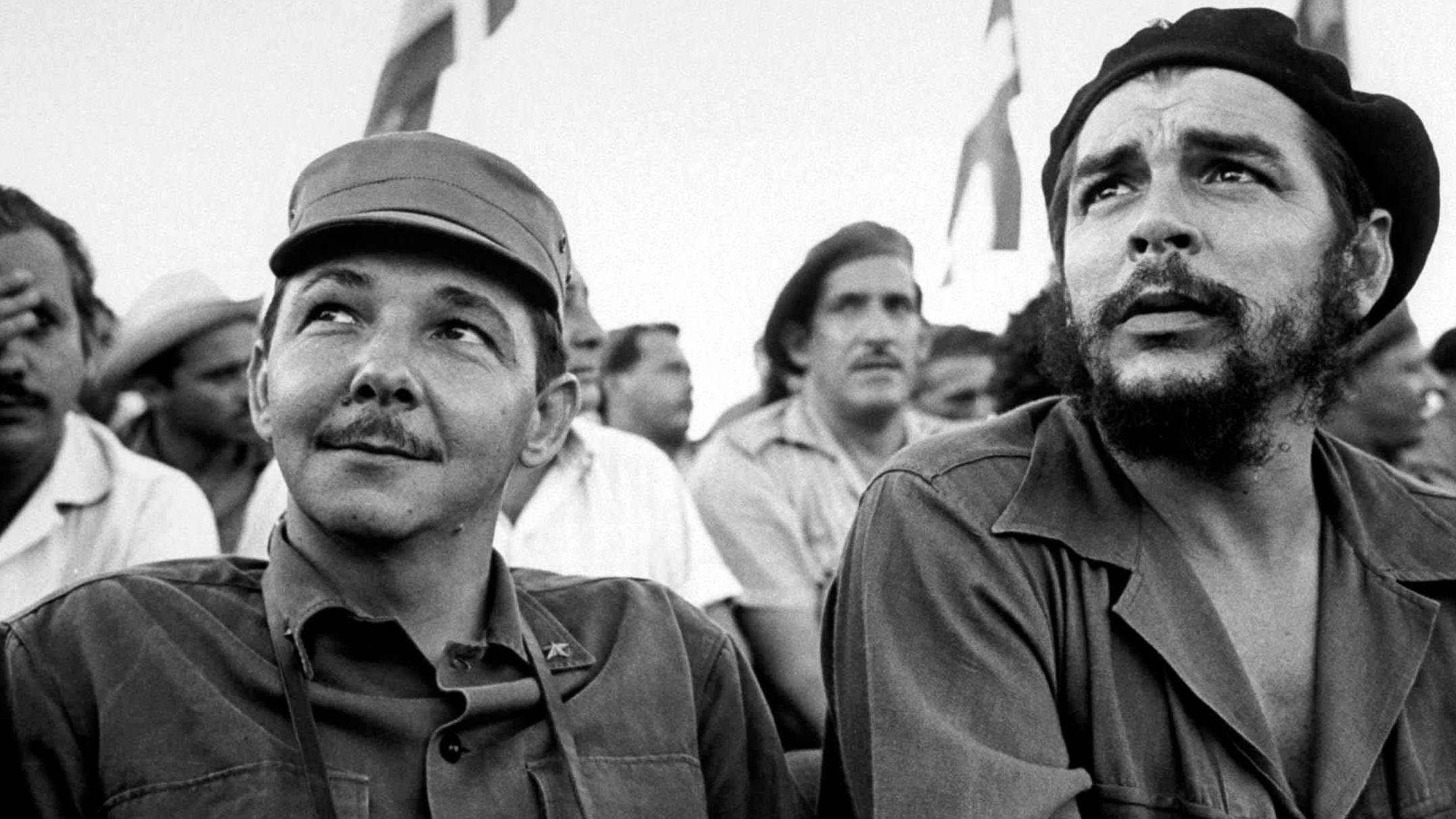

The United States has indicted 94-year-old former Cuban President Raul Castro on murder charges. This momentous legal action accuses Castro of playing a central role in the February 24, 1996, shootdown of two light aircraft belonging to the exile organization, Brothers to the Rescue (Hermanos al Rescate).
The tragic incident claimed the lives of four individuals and ignited one of the most severe diplomatic crises in the complex relationship between Cuba and the United States. Raul Castro now faces four counts of murder, in addition to charges of conspiracy to murder U.S. citizens and destruction of aircraft, as formally announced by U.S. Acting Attorney General Todd Blanche.
Key Figure in Cuban History
This indictment carries profound significance, not only due to the precedent set by the arrest of Venezuelan President Nicolás Maduro last January, but also because of Raul Castro’s pivotal role in Cuba’s contemporary history. Although he often operated in the shadow of his elder brother, Fidel Castro, Raul was a critical figure within the regime’s military and intelligence apparatus. His influence culminated when he officially assumed power in 2008, governing the island nation for a decade.
In 2018, Raul handed over the presidency to Miguel Díaz-Canel and, three years later, relinquished leadership of the Communist Party. Despite these official transitions, analysts widely believe Raul Castro remains the most powerful individual within Cuba’s intricate power structure, continuing to exert considerable influence behind the scenes.

The U.S. indictment arrives at one of the most precarious moments in Cuba’s recent history. The nation is grappling with a severe economic and energy crisis, characterized by widespread power outages and critical fuel shortages. These internal challenges have been compounded by intensified pressure from the Donald Trump administration in the United States.
Paradoxically, even as tensions escalate, both American and Cuban authorities – including figures closely associated with Raul Castro – have reportedly engaged in clandestine meetings in Havana, discussing the future trajectory of the island nation.
The nonagenarian former president is known for his more traditional family life, a stark contrast to Fidel, who was rumored to have numerous secret romantic relationships. Raul Castro was married to Vilma Espín, a prominent revolutionary figure whom he met during the guerrilla war that overthrew the Batista regime. Vilma passed away from cancer in 2007.
The couple had four children, including Mariela Castro Espín, a member of the National Assembly of People’s Power and Director of the National Center for Sex Education (CENESEX), and Alejandro Castro Espín, who serves as director of intelligence and counterintelligence for State Security.

Raul also distinguished himself from the revolutionary icons Fidel Castro and Che Guevara. He cultivated a more understated, pragmatic image, intentionally avoiding the creation of a large personality cult. Nevertheless, his portrait often graces the walls of Cuban state offices, almost invariably alongside that of Fidel, symbolizing their enduring partnership.
So, who exactly is Raul Castro, and what has been his profound role in both Cuba’s historical narrative and its present-day realities?
President During an Era of Reforms and Thawing US Relations (2008-2018)
While Raul Castro participated in the revolutionary struggle alongside Fidel and Ernesto “Che” Guevara from a young age, and later played a pivotal role in the Cuban military for decades, his influence truly peaked after he formally assumed power between 2006 and 2008. He initially inherited the presidency temporarily in 2006 following Fidel’s severe illness, before being officially appointed as Cuba’s president two years later.
In stark contrast to Fidel Castro’s charismatic and ideological style, Raul projected a more pragmatic image and was less inclined towards grand speeches. During his tenure, he championed economic reforms which, despite being significantly limited, represented the most substantial changes since the collapse of the Soviet Union. His administration expanded the scope for small private businesses, permitted the buying and selling of homes and vehicles, eased some migration restrictions, and encouraged a controlled opening of markets. He also streamlined parts of the expansive state apparatus and fostered new forms of private employment.
These reforms, however, proceeded alongside the continuation of the one-party political system established after the 1959 revolution. Under Raul Castro’s leadership, international human rights organizations consistently criticized the lack of freedom of expression, civil, and political rights, as well as the ongoing repression of the opposition.
The most defining moment of his presidency occurred in 2014, when, alongside then-U.S. President Barack Obama, he announced the historic normalization of diplomatic relations between Cuba and the United States, ending more than half a century of deep-seated hostility.

This momentous occasion paved the way for the reopening of embassies, enhanced transportation links, increased bilateral contacts, and a historic visit by President Obama to Havana in 2016 – an unprecedented event since the 1959 revolution. When Fidel Castro passed away in 2016, it was Raul who led the official tributes. He announced his brother’s death on television, orchestrated a state funeral, and pledged to uphold the socialist system.
However, the window of economic and political openness proved limited, with some of these processes beginning to reverse after Donald Trump took office in 2017, a year before Raul transitioned power to Díaz-Canel.
 Comrade-in-Arms with Fidel and Che
Raul Castro was born on June 3, 1931, in Birán, eastern Cuba, into an affluent family to Galician parents Ángel Castro and Lina Ruz. Like his brother Fidel, Raul attended Catholic schools in Santiago de Cuba before moving to Havana for his secondary and university education. In the late 1940s and early 1950s, he became involved in protest movements against the government of Carlos Prío Socarrás and subsequently against the dictatorship of Fulgencio Batista (1952–58).
Unlike Fidel, who was initially more influenced by Cuban nationalism, Raul demonstrated sympathies for Soviet socialism from an early stage. He joined the youth organization of the People’s Socialist Party and attended meetings in Eastern Europe, experiences that profoundly shaped his political views. His full immersion in the revolutionary struggle began in 1953 when he joined the armed movement led by Fidel Castro.

At just 22 years old, Raul participated in the assault on the Moncada Barracks in Santiago de Cuba – a failed operation that nevertheless became one of the foundational myths of the Cuban Revolution. After receiving amnesty in 1956, he traveled with Fidel to Mexico, where they prepared the Granma yacht expedition alongside Ernesto “Che” Guevara. The landing of the Granma marked the beginning of the Sierra Maestra guerrilla campaign, which ultimately culminated in the fall of Batista and the triumph of the revolution on January 1, 1959.
General in Fidel’s Shadow
Raul Castro swiftly ascended to become one of the most powerful figures within the new regime, led by Fidel from 1959. In that same year, he was appointed Minister of the Revolutionary Armed Forces, a position he held for nearly half a century. From this strategic vantage point, he meticulously constructed one of Latin America’s most formidable military and intelligence apparatuses. Experts consistently describe him as the individual who ensured the internal stability of the system and served as Fidel Castro’s indispensable right-hand man.
In contrast to Fidel’s flamboyant and charismatic leadership, Raul largely avoided the spotlight, dedicating his efforts to the rigorous control of the military and state organizations. Throughout Fidel’s decades in power, Raul played a critical role in solidifying the alliance with the Soviet Union and shaping a Cuban political model heavily inspired by the Eastern Bloc’s socialist regimes. Cuban exiles and human rights organizations have also accused him of being one of the most ruthless figures in suppressing political opponents.

It was during Raul’s tenure as commander of the Armed Forces that two Cuban fighter jets controversially shot down two light aircraft belonging to Brothers to the Rescue (Hermanos al Rescate) near Cuban waters on February 24, 1996. This aggressive act tragically killed four people. While the Cuban government maintained that the planes had violated its airspace, international investigations concluded they were shot down in international airspace, triggering a severe diplomatic crisis with the United States.

The recently announced indictment against Raul in Washington is squarely centered on this pivotal event. Recordings unearthed several years ago reportedly feature Raul Castro’s voice seemingly ordering action against the planes, including the chilling command, “shoot down the plane.” This evidence could prove absolutely crucial in any potential trial.
Power Beyond Retirement
In 2018, Raul officially transferred the presidency to Miguel Díaz-Canel. Yet, he retained the powerful position of First Secretary of the Cuban Communist Party, widely considered the most influential role within the regime. By 2021, he also relinquished this post to Díaz-Canel, a move seen as the symbolic closing of the revolutionary generation that had governed since 1959.
However, experts contend that Raul Castro still wields substantial influence over the nation’s strategic decisions, particularly in the critical areas of military, security, and relations with the United States. Even after his official retirement, he continues to make appearances at significant regime events, such as military parades and revolutionary anniversaries.

On July 11, 2021, Cuba witnessed its largest anti-government demonstrations in over six decades, to which the government responded by arresting thousands. Although Díaz-Canel officially heads the government, the decades-old security structure meticulously built under Raul’s leadership is believed to have played a crucial role in managing the dissent.
Concurrently, Cuba has plunged into its most severe crisis since the “Special Period” of the 1990s. The tightening of U.S. sanctions under Donald Trump, coupled with the impact of the pandemic, a decline in tourism, and an energy crisis, has exacerbated economic and social conditions. This confluence of challenges has triggered a mass exodus, causing the island to lose an estimated 20% of its population.
Raul Castro’s immediate family circle is also considered a significant center of influence in Cuba, including his grandson, Raúl Guillermo Rodríguez Castro, known as “El Cangrejo” (The Crab). Castro’s most recent public appearance was at a May Day parade, where he wore a military uniform and stood alongside Díaz-Canel and other key figures of the Cuban regime.

Summary
The United States has indicted 94-year-old
