
Hantavirus, a pathogen that recently garnered global attention following its detection on the Dutch cruise ship MV Hondius, has now surfaced as a significant public health concern in Indonesia. The Indonesian Ministry of Health (Kemenkes) has confirmed the investigation of two suspected hantavirus cases, one in DKI Jakarta and another in DI Yogyakarta. This alarming development has prompted heightened governmental vigilance, given the virus’s known capacity to inflict severe damage on both the respiratory and renal systems.
Reinforcing the gravity of the situation, Aji Muhawarman, Head of the Communication and Public Services Bureau at Kemenkes, stated that both individuals are currently undergoing thorough examinations to confirm their diagnoses. “Currently, there are 2 suspected cases in DKI Jakarta and DIY undergoing case confirmation,” Muhawarman reported on Friday, May 8, 2026, as quoted by SURYA.co.id from Tribunnews. Furthermore, Kemenkes data reveals a concerning trend: between 2024 and 2026, Indonesia has recorded 23 confirmed positive hantavirus cases, tragically resulting in three fatalities. “For the period 2024-2026, there are 23 confirmed positive cases, resulting in 3 deaths,” Aji elaborated.
The spread of these confirmed hantavirus infections spans across nine provinces throughout Indonesia, with DKI Jakarta and DI Yogyakarta emerging as the epicenters, each reporting six cases. The detailed geographical distribution is as follows: DKI Jakarta (6 cases), DI Yogyakarta (6 cases), West Java (5 cases), West Kalimantan (1 case), West Sumatra (1 case), Banten (1 case), North Sulawesi (1 case), East Nusa Tenggara (1 case), and East Java (1 case). While the government has yet to provide specific details regarding the source of transmission for each individual case, rigorous surveillance and monitoring efforts are being intensified nationwide to curb further spread of this rodent-borne disease.
In a proactive move to contain the potential threat, Indonesian Health Minister Budi Gunadi Sadikin confirmed coordination with the World Health Organization (WHO) regarding hantavirus management. According to information shared by the WHO, the virus’s spread was initially believed to be concentrated on the MV Hondius cruise ship and had not yet disseminated globally. “The information from WHO is that this virus is still concentrated on that ship; it has not spread anywhere,” Minister Budi stated during an interview at the Kemenkes office in Kuningan, South Jakarta, on Thursday, May 7, 2026. Emphasizing the perilous nature of hantavirus, he underscored the necessity of early anticipatory measures. Kemenkes is actively preparing essential resources for early detection, including the potential deployment of rapid tests and specialized PCR reagents. Despite the availability of numerous PCR machines across Indonesia, which should facilitate detection, the government acknowledges the current scarcity and limited widespread availability of hantavirus-specific reagents. Consequently, the primary focus remains on bolstering health surveillance through rapid data collection and analysis to ensure a swift response to any emerging situations.
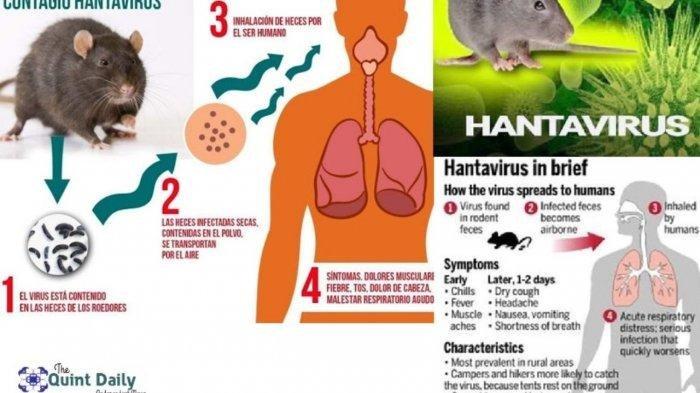
What exactly is Hantavirus? This formidable pathogen is predominantly transmitted to humans through exposure to the urine, saliva, or droppings of infected rodents, such as rats. In severe cases, the infection can culminate in acute respiratory distress and even kidney failure. Initial symptoms typically mimic those of the flu, including fever, muscle pain, headaches, nausea, and shortness of breath. The public is strongly advised to maintain stringent environmental hygiene and strictly avoid direct contact with rodents or areas potentially contaminated by their excretions.
The question then arises: Should we be overly concerned? Hantavirus is far from a new player in the world of pathogens, yet its potentially lethal nature consistently keeps health experts on high alert. Unlike rapidly airborne viruses such as COVID-19, hantavirus typically lurks in secluded, less-frequented areas, carried by rodent urine, feces, and saliva. A significant challenge in managing hantavirus lies in the ambiguity of its early symptoms, which often resemble those of a common cold or even COVID-19, leading to delayed diagnoses. Patients often experience high fever, severe muscle pain, extreme fatigue, and persistent headaches. However, within 4 to 10 days, a patient’s condition can deteriorate rapidly, with fluid accumulating in the lungs, leading to severe shortness of breath and eventual respiratory failure. While for decades hantavirus was largely believed not to transmit from human to human, the Andes variant, originating in South America, has challenged this assumption. The WHO has confirmed that this particular variant can be transmitted through close and prolonged contact with an infected individual. Nevertheless, experts advise against excessive panic, stressing that human-to-human transmission of hantavirus remains exceptionally rare and is not comparable to the ease of spread seen with influenza or measles. Crucially, there is currently no specific vaccine or antiviral drug available to combat hantavirus. Infected patients require intensive care, including oxygen support and continuous monitoring of organ function, given that certain variants can have a mortality rate as high as 40 percent if not managed promptly.
Effective prevention and control of hantavirus infections, as highlighted by the WHO, hinge primarily on minimizing human contact with rodents. Key preventative measures include maintaining impeccable cleanliness in homes and workplaces, sealing any crevices or openings that could allow rodents entry into buildings, and ensuring food is stored securely. Safe cleaning practices in rodent-contaminated areas are paramount; this involves avoiding dry sweeping or vacuuming rodent droppings. Instead, contaminated surfaces should first be thoroughly wetted before cleaning. Furthermore, consistent and diligent hand hygiene practices are crucial. Available evidence indicates that the risk of healthcare-associated hantavirus transmission, including the Andes virus, is exceedingly low when appropriate infection prevention and control measures are rigorously implemented. In healthcare environments, standard precautions—such as hand hygiene, environmental cleaning, and the safe handling of blood and bodily fluids—must be universally applied to all patients.
Summary
Hantavirus has become a public health concern in Indonesia, with
