
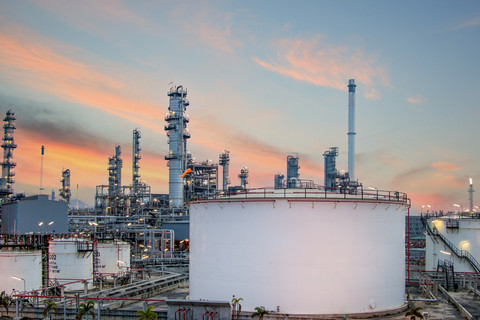

Crude oil prices surged to their highest levels since June 2022 on Thursday (April 30), driven by the escalating US-Iran conflict and the persistent obstruction of vital energy flows through the Strait of Hormuz. This volatile situation has fueled mounting concerns about the rapid depletion of global oil supply reserves.
According to Bloomberg, the global benchmark, Brent crude, soared over 7 percent, trading above USD 119.50 per barrel, before paring some gains to close around USD 118 per barrel. This marks a new peak since the Iran conflict ignited two months ago. Meanwhile, West Texas Intermediate (WTI) finished the day just under USD 107 per barrel, reflecting the broader market unease.
The current surge has seen Brent prices erase all losses incurred since the US and Iran agreed to a temporary ceasefire earlier this month. Investors are now bracing for a potentially prolonged conflict and the further repercussions of an unprecedented supply shock that continues to ripple through the global market.
Numerous indicators suggest that peace negotiations have faltered. Notably, US President Donald Trump recently deliberated measures the United States could take to extend its naval blockade against Iran during a Tuesday meeting with key oil and trade industry executives, signaling a hardening stance rather than a de-escalation.
Adding to the tension, Axios reported that President Trump has rejected Iran’s latest proposal to reopen the Strait of Hormuz, the critical maritime chokepoint where vital oil flows have remained stalled, intensifying the gridlock in the region.
“As long as there are no plans to end this chaos or at least open the Strait of Hormuz, the market will continue its ascent,” stated Robert Yawger, Director of Energy Futures at Mizuho Securities USA, highlighting the direct link between geopolitical stability and market prices.
The overall market shift towards expectations of a more protracted conflict has sharpened the focus on US oil supply, which is now increasingly crucial to offset the significant disruptions to Middle Eastern supply flows. This strategic pivot underscores America’s growing role in global energy security.
Government data released on Wednesday underscored this importance, revealing that domestic oil inventories declined while US crude exports soared to record highs. This illustrates the heightened demand for alternative supply sources amidst regional instability.
On the other hand, the US naval blockade remains a critical sticking point between Washington and Tehran. Iran firmly insists it will not restart negotiations or reopen the Strait of Hormuz as long as these restrictions remain in place, creating a diplomatic impasse.
The flow of crude oil, natural gas, and refined oil products from the Persian Gulf has remained severed since the conflict erupted in late February. This ongoing crisis has sent prices for gasoline, diesel, and jet fuel skyrocketing globally, consequently fueling widespread inflation concerns across economies.
“This stalemate could last for weeks. Either the global market will signal to Trump that we can no longer sustain this oil shortage, or Iran will articulate its desire to export its oil,” remarked Michelle Brouhard, head of policy and geopolitical risk at Kpler Ltd, outlining the potential pressure points that could eventually break the deadlock.
According to Kpler’s analysis, Tehran is rapidly exhausting its crude oil storage capacity, a situation that threatens to accelerate production cutbacks. This impending storage crisis could further exacerbate global supply concerns and contribute to continued market volatility.
Summary
Crude oil prices surged to their highest levels since June 2022, with Brent crude trading above USD 119.50 per barrel, driven by the escalating US-Iran conflict. This increase is a direct result of the persistent obstruction of vital energy flows through the Strait of Hormuz, raising significant concerns about global oil supply depletion. Peace negotiations have faltered, as US President Donald Trump rejected Iran’s proposal to reopen the Strait and considered extending the naval blockade.
The ongoing diplomatic impasse sees Iran refusing to restart negotiations or reopen the Strait of Hormuz as long as US restrictions remain. This prolonged conflict has severed the flow of crude oil and refined products from the Persian Gulf since late February, causing global prices for fuels to skyrocket and fueling inflation. With Iran’s crude oil storage capacity rapidly depleting, the stalemate could endure, intensifying global supply concerns and market volatility.
