
News Summary:
- Plastic prices are soaring, primarily driven by the escalating US-Iran conflict, which is disrupting global oil and petrochemical supplies.
- A combination of rising energy costs and significant disturbances to international distribution channels is pushing plastic production expenses higher.
- The impact is far-reaching, burdening industries and Micro, Small, and Medium Enterprises (MSMEs) with substantial increases in operational costs.
The global industrial landscape is grappling with a significant challenge as plastic prices experience an unprecedented surge, leaving numerous manufacturers and businesses struggling to manage escalating production costs. This sharp increase is largely attributed to heightened geopolitical tensions, particularly the intensifying conflict between the United States and Iran, which has destabilized the Middle East – a critical hub for global energy supplies.
This volatile geopolitical climate has severely hampered the distribution of crude oil and petrochemical feedstocks, the fundamental raw materials for plastic production. Consequently, supplies have become erratic and unstable, driving up feedstock prices across international markets. Further exacerbating the situation is the pervasive concern over potential disruptions to vital trade arteries such as the Strait of Hormuz, a crucial transit point for a significant portion of the world’s oil shipments. Such uncertainties have fueled speculative behavior among market players, leading to supply hoarding and placing further upward pressure on prices.
The ramifications of these rising plastic costs extend far beyond large industrial operations, filtering down to small businesses and ultimately, end-consumers. They face higher prices for a multitude of plastic-based products, from essential packaging and household goods to everyday necessities. Should the conflict persist without a swift resolution, the upward pressure on plastic prices is expected to endure, potentially triggering a cascading effect of cost increases across various other industrial sectors.
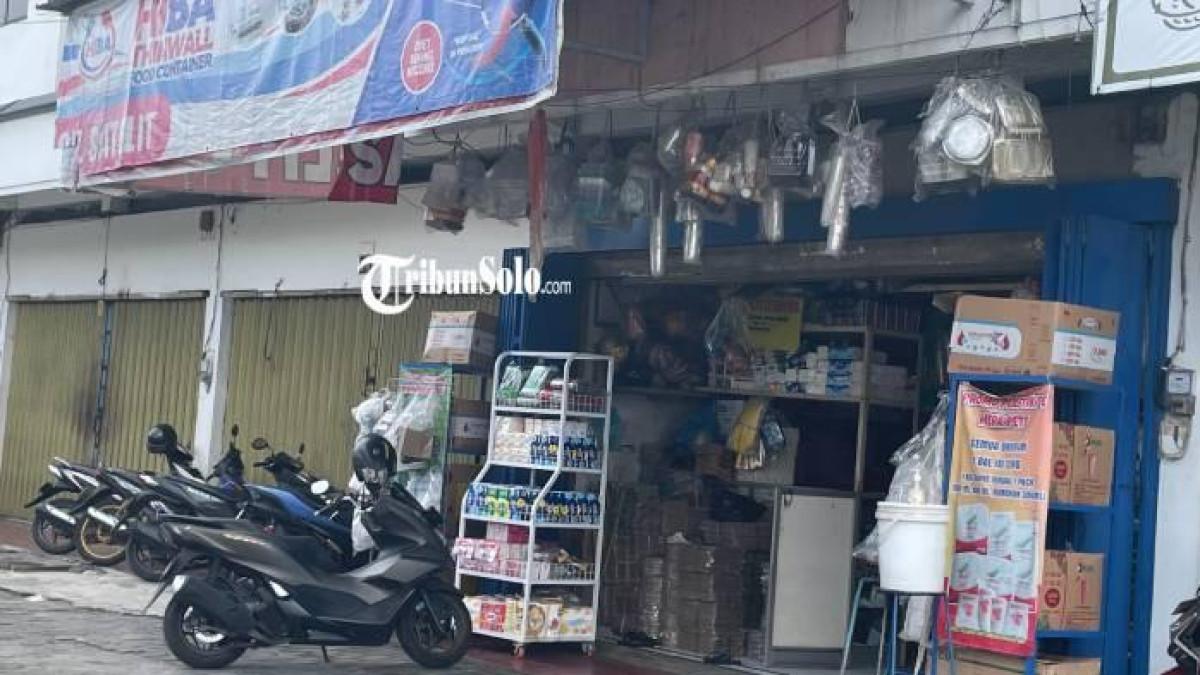
Adding a tangible dimension to this market upheaval, social media platform X (formerly Twitter) has been abuzz with discussions about plastic prices reportedly doubling. An emotional post from the user account @tanyakanrl on Wednesday, April 1, 2026, highlighted this struggle: “Guys, plastic in my area has already gone up, usually around 9K, now it’s almost 50 percent higher at 16K. It’s quite a hit for me, someone whose business relies on plastic, how about your places?”
Experts have long warned about such a scenario. Patrick Penfield, a professor of supply chain practice at Syracuse University, underscored the direct link between oil prices and plastic costs. He noted that plastic products are predominantly derived from petroleum, which has seen its price skyrocket by over 40 percent since the outbreak of war on February 28, 2026. This stark reality means that consumers can anticipate higher prices for items like disposable cutlery, plastic beverage bottles, and trash bags in the coming weeks.
The intricate nature of the global supply chain, where plastic is ubiquitous – from packaging to manufacturing processes – makes it challenging to pinpoint precisely where these added costs originate in the final price of a product. Joseph Foudy, an economics professor at NYU Stern School of Business, captured this frustration, stating, “It’s one of those things that make you shake your head in the store. You don’t know if it’s more expensive because of general inflation, a rent increase, but you are paying for this.” Alarmingly, this surge in plastic prices could potentially lead to a rise in food prices within the next two to four months.
Why Plastic Prices Are Soaring
The dramatic escalation in plastic prices is inextricably linked to the significant increases in oil and natural gas costs, primarily triggered by the threatened closure of the Strait of Hormuz. This strategic waterway is a pivotal component of the global energy and petrochemical supply chain, facilitating the distribution of nearly one-fifth of the world’s oil and liquefied natural gas (LNG). Unsurprisingly, the threat to this channel sent crude oil prices spiraling from $67 per barrel to $98 per barrel by March 20, 2026. Concurrently, benchmark natural gas prices in both Asia and Europe surged by more than 60 percent over the same period.
This volatile energy market directly impacts plastic production. The International Environmental Law Center highlights that over 99 percent of global plastic originates from fossil fuels. Therefore, rising energy prices not only inflate production overheads but also drive up the cost of the raw materials themselves, including polyethylene (PE) and polypropylene – two of the world’s most widely used plastics.
The Middle East traditionally serves as a primary source for these critical plastic raw materials. Data from S&P Global Energy indicates that the region accounts for approximately a quarter of global polyethylene and polypropylene exports. Harrison Jacoby, director of polyethylene at Independent Commodity Intelligence Services, further emphasized this dependency, stating, “Around 84 percent of Middle East PE capacity relies on the strait for exports through the waterway.” The direct consequence of these market pressures is evident: Plastics Exchange, an independent clearinghouse tracking resin transaction data, reported that plastic resin prices have jumped by double digits across most manufacturing categories within the last 30 days. Michael Greenberg, CEO of Plastics Exchange and its market intelligence platform, Resintel, commented on the unprecedented scale, remarking, “In my 25 years [in the plastics industry], I have never seen a PE [monthly] increase this big before.”
Plastic Price Increase Expected to Last
The prolonged nature of this price volatility is a significant concern. Bhima Yudhistira, Executive Director of the Center of Economic and Law Studies (CELIOS), projects that the increase in plastic prices, fueled by the Middle East conflict, will be sustained over an extended period, with an estimated rise ranging between 40-70 percent. Even if a de-escalation of the conflict were to occur, the disruption to plastic raw material supplies could persist for another three to six months, he told Kompas.com on Thursday, April 2, 2026.
This enduring challenge will particularly burden Micro, Small, and Medium Enterprises (MSMEs), especially within the food and beverage sector, which will be forced to either adjust their product prices or absorb tighter profit margins. Exacerbating the situation, the Indonesian government recently announced a Work From Home (WFH) policy every Friday, a measure that could inadvertently increase the use of plastic packaging for food and beverage deliveries, thereby compounding long-term disadvantages for MSMEs. “MSMEs will face even greater pressure, especially given the current weakening purchasing power of the public. This is particularly true for the lower-middle income groups, which form the core market segment for MSMEs,” Bhima elaborated.
To mitigate these severe impacts, Bhima Yudhistira has put forth several recommendations for the government. Firstly, he suggests an immediate reduction in Value Added Tax (VAT) on plastic from 11 percent to 8 percent, believing this policy could significantly ease the selling price of plastic packaging. Secondly, he advises providing additional stimulus to MSMEs by extending the 0.5 percent final income tax (PPH Final). Furthermore, Bhima recommends continued stimulus in the form of accessible, lower-interest credit specifically for MSMEs in the food and beverage sector. “MSME credit contracted by a considerable 0.5 percent year-on-year in January. So, MSME credit must continue to be stimulated, but with low interest rates. That way, MSMEs can survive,” Bhima explained, underscoring the urgency.
The projected duration of these elevated plastic prices stems from a critical issue: numerous petrochemical companies, both domestically and internationally, are declaring force majeure. “Therefore, pre-order contracts for plastic purchases are all being cancelled, meaning the plastic crisis will last a long time,” Bhima concluded, painting a grim picture for the industry’s near future.
(TribunNewsmaker.com/Kompas.com)
