
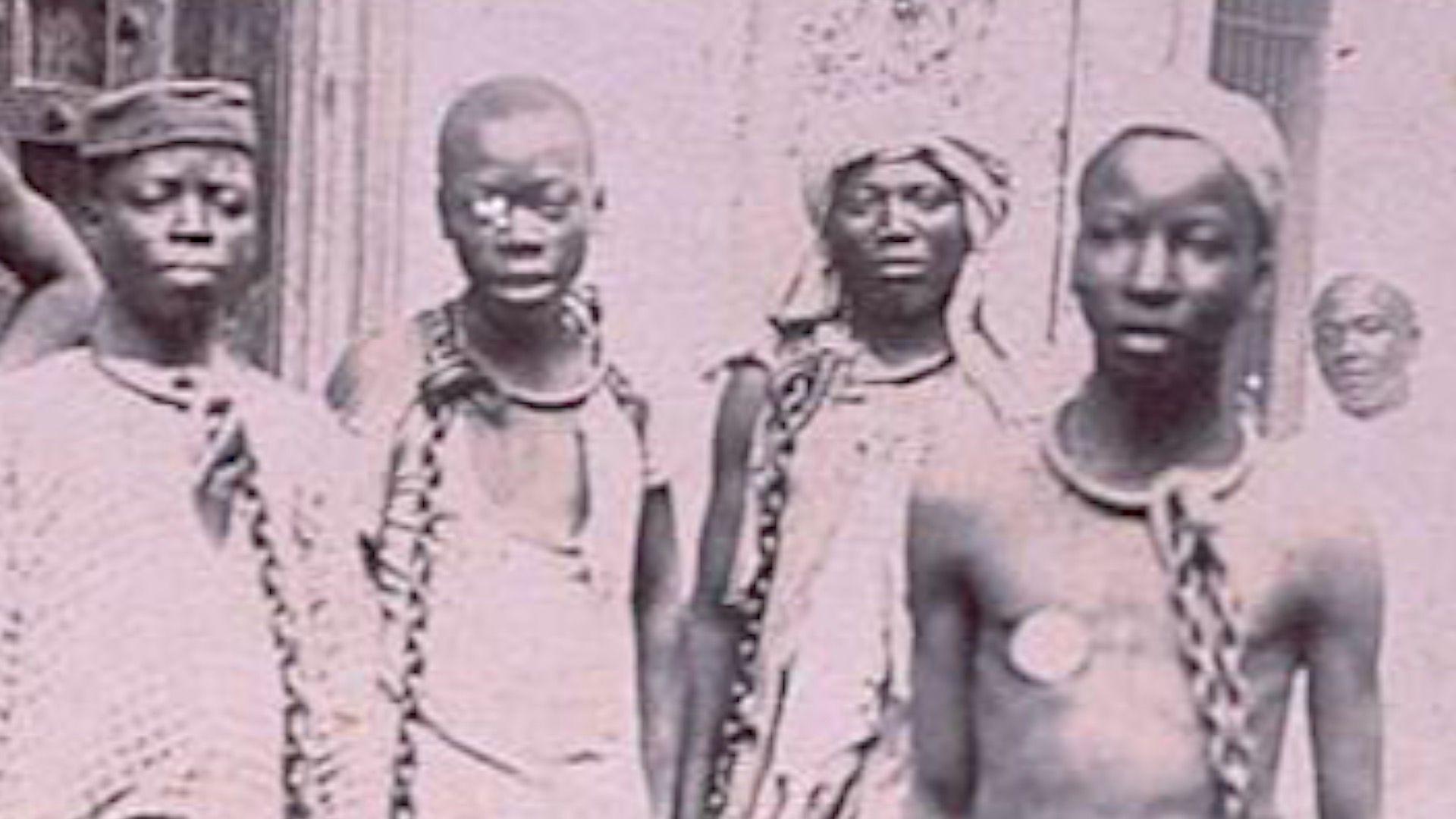

The United Nations General Assembly (UNGA) has overwhelmingly approved a landmark resolution, officially declaring slavery as the “most grievous crime against humanity.” This pivotal decision amplifies global condemnation of the historical atrocity and its enduring legacy, setting a new international standard.
Beyond its strong condemnation of slavery, the resolution also issues a critical demand for the immediate and unrestricted return of cultural objects. This encompasses a wide array of items, including invaluable works of art, historical monuments, museum artifacts, significant documents, and national archives. The resolution mandates their prompt, cost-free repatriation to their countries of origin, addressing a long-standing grievance rooted in colonial exploitation.
The initiative for this far-reaching resolution was spearheaded by Ghana’s President, John Mahama, and received robust backing from the African Union. Its primary objective is to pave a definitive path towards recovery and the provision of compensation, commonly known as reparations, for communities historically impacted by slavery.
The proposal garnered significant international support, being adopted with 123 votes in favor. However, it also faced opposition from three nations, while 52 countries chose to abstain, notably including the United Kingdom and several member states of the European Union. The United States, Argentina, and Israel were among the countries that voted against the resolution, highlighting divergent views on the issue.
Addressing the UN General Assembly, President John Mahama underscored the resolution’s profound importance, stating, “The passage of this resolution serves as a reminder that we must not forget.” His words resonate with the historical calls for justice that have persisted for centuries, emphasizing the enduring need for remembrance and rectification.
Indeed, countries deeply scarred by the impacts of slavery have tirelessly advocated for reparations for over a century. This crucial debate has gained considerable momentum in the 21st century, particularly as various nations and corporate entities—many of whom historically profited immensely from forced labor and the transatlantic slave trade in Africa—have begun to formally acknowledge their complicity in these heinous human trafficking practices.
 What are slavery reparations and what is their legal basis?
Between the 15th and 19th centuries, an estimated 12 to 15 million African men, women, and children were brutally captured and trafficked across the Atlantic to the Americas, where they were forcibly enslaved. This catastrophic period, known as the Transatlantic Slave Trade, represents one of history’s darkest chapters, causing immeasurable suffering and societal disruption.
These enslaved individuals were cruelly shipped to colonies predominantly controlled by powerful European nations, including Spain, Portugal, France, and the United Kingdom. The journey itself was fraught with unimaginable horrors, with an estimated two million people perishing on the notoriously brutal slave ships before even reaching their destinations.
The profound and devastating impact of centuries of exploitation continues to reverberate across the globe today. Both the countries of origin in Africa and the destination nations in the Americas still grapple with deep-seated issues such as entrenched socio-economic inequality and pervasive racial segregation, direct legacies of this historical injustice.
Reparations are fundamentally conceived as a form of restorative justice. They aim to provide both a formal apology and substantial compensation to Black communities whose ancestors were cruelly forced into chattel slavery. This framework acknowledges the immense suffering and generational disadvantage caused by the institution of slavery.
Ghana’s specific proposal, central to the UNGA resolution, explicitly urges UN member states to seriously consider issuing formal apologies for their roles in the slave trade and to actively contribute to a dedicated reparations fund. This fund would support initiatives designed to counteract the lasting detrimental effects of slavery.

Speaking on the BBC’s Newsday program, Samuel Okudzeto Ablakwa, Ghana’s Foreign Minister, articulated the continent’s stance with clarity: “We are demanding compensation, and let us be clear, African leaders are not asking for money for themselves…” He emphasized that the focus is on a broader societal transformation.
Ablakwa further elaborated on the collective vision for reparations, stating, “We want justice for the victims and support for various causes that are being championed, [and] education – as well as [we want] endowment funds, skills training funds.” This highlights a comprehensive approach that extends beyond mere financial payouts to encompass sustainable development and empowerment.
You might also be interested in:
- Why was Indonesia not mentioned in the Netherlands’ apology for colonial-era slavery?
- Dutch government apologizes for colonial-era slavery, but nearly half of Dutch people ‘do not support it’
- Descendants of slaves in the Netherlands with slavery-related names like Patuh, Murah, Jinak, and Pasrah can change their names for free
Despite the significant diplomatic victory at the UN, skepticism regarding the resolution’s practical impact was voiced by Esther Xosei, a prominent UK scholar, activist, and leading figure in the global reparations movement. She cautioned against over-reliance on UN endorsements.
Xosei acknowledged the positive shift, remarking, “It’s very encouraging to see African nations taking a leading role in this discussion, but the support alone will not be won at the UN.” She argued that the real battle for reparations extends beyond international diplomatic chambers.
Instead, she asserted, “The real fight will be in communities, where many people still do not understand the history properly.” This perspective underscores the crucial need for public awareness and education to foster a deeper understanding of historical injustices and the imperative for restorative action.
 Are there historical precedents for reparations?
Yes, historical precedents for reparations do exist, providing a framework for current demands. The most widely cited and substantial case involves Germany, which, since 1952, has paid over US$80 billion (approximately Rp1,351 trillion) to Jewish victims of the Nazi regime, including significant payments to the state of Israel. This enduring commitment demonstrates a nation’s capacity to acknowledge and atone for historical atrocities.
Despite this powerful example, a stark difference remains: no country has yet provided direct slavery reparations to the descendants of enslaved Africans or to the African, Caribbean, and Latin American nations profoundly impacted by the Transatlantic Slave Trade. This absence highlights a persistent gap in global justice efforts.
Even nations that have formally apologized for their roles in slavery, such as the Netherlands in 2022, have explicitly rejected direct financial reparations to slave descendants. This stance underscores the complex and often contentious nature of these discussions, especially concerning direct cash payments.
Instead, the Dutch government opted to establish a fund of US$230 million (approximately Rp3.8 trillion). This fund is specifically allocated for “social initiatives and various projects to address the legacy of slavery,” aiming to mitigate the contemporary effects rather than directly compensate individuals.
Dr. Celeste Martinez, a researcher specializing in Spanish colonialism in Africa, succinctly articulated the core principle behind reparations: “The most important thing to understand is that no one is trying to change the past, but rather to deal with its impact in the present.” This perspective shifts the focus from an impossible reversal of history to a tangible address of ongoing injustices.
She further emphasized, “The legacy of slavery persists to this day in the form of racism and inequality. Acknowledging the past is crucial if we want to build a more just and democratic society.” Her words reinforce that reparations are not just about historical grievances but about forging a more equitable future.
 What can the UN decision change?
The United Nations has consistently and openly championed the cause of reparative justice. In a significant statement made in September 2025, Volker Türk, the UN High Commissioner for Human Rights, unequivocally stated that such justice must encompass “remedies in various forms,” highlighting the broad scope of potential restorative actions.
Despite the UN’s clear stance, this recent resolution marks a historical first for the UN General Assembly. Comprising 193 member states, each with one seat and one vote, the Assembly had never before voted on or adopted a resolution with such explicit provisions concerning slavery reparations. This unprecedented move signals a major shift in international discourse.
Read also:
- ‘The slaves’ bible’ – Was religion ever used as a basis for slavery?
- The story of a woman enslaved as a ‘fifth wife’, sued by her former employer and imprisoned while pregnant
- The story of the last slave ship from Africa to the United States
While the General Assembly possesses considerable moral authority, it lacks the power to legally compel reparations from member states. However, its actions are far from inconsequential. By passing this resolution, the UNGA effectively bestows significant political legitimacy upon the issue of reparations, moving it from a fringe demand to a central topic on the global agenda.
Almaz Teffera, a senior researcher on racism at Human Rights Watch, underscored the strategic importance of this development. “In a political context, simply bringing this debate to the UN is already a huge and important step,” she observed. This parliamentary advancement creates a crucial platform for dialogue.
She added, “This opens space for inter-state engagement on the issue of reparations, and increases the opportunities for progress in future discussions.” The resolution, therefore, is seen as a catalyst for ongoing diplomatic efforts and a powerful signal to the international community.
 How much money is being requested?
One of the most intensely debated aspects of the reparations issue revolves around the crucial questions of who should pay and precisely how much. The financial implications are staggering, and the responsibility is a complex web.
While demands for compensation have been directed at corporations, institutions, and even specific families who historically owned slaves, the majority of proposals ultimately place this significant burden of responsibility at the governmental level. This reflects the belief that states created and sustained the systems of slavery.
In a landmark move in 2013, Caricom—a powerful bloc comprising 15 Caribbean nations—unveiled its comprehensive Ten-Point Plan for Reparative Justice. This ambitious proposal extends far beyond monetary payouts, encompassing a wide range of restorative measures.
The Caricom plan includes critical elements such as foreign debt cancellation, substantial investments in literacy programs, and significant improvements in public health infrastructure, all designed to address the systemic disadvantages inherited from slavery.
Building on this foundation, in 2023, the bloc presented a detailed study asserting that these 15 Caribbean nations are collectively entitled to at least US$33 trillion from former colonial powers. This figure underscores the monumental scale of historical exploitation and its lingering economic impact.
Verena Shepherd, a distinguished professor at the University of the West Indies and Deputy Chair of the Caricom Reparations Commission, robustly argues for state accountability. She states, “The state has always been culpable because the state created the environment in which individuals, institutions, and businesses participated in slavery and colonialism.”
Further emphasizing the vast financial scope, in the same year, Patrick Robinson, a prominent judge at the International Court of Justice, put forth an even larger figure: an astounding US$107 trillion. He suggested this amount should be collectively paid by 31 nations, including countries like Brazil and the United States, which significantly benefited from forced labor even after gaining independence from Portugal and the UK, respectively.
A central challenge in pursuing reparations for slavery is the significant passage of time. Most historical cases of reparations, such as payments to Holocaust victims, were resolved while survivors were still alive. In contrast, direct survivors of slavery are long gone, complicating the identification of claimants and the nature of compensation.
Naturally, the calculation of such immense sums is inherently intricate and frequently a subject of intense dispute among economists, historians, and legal experts.
Legal scholar Luke Moffett, a lecturer at Queen’s University Belfast, acknowledges the formidable legal hurdles. He assesses that these staggering figures are, in essence, legally unenforceable due to the complexities of historical claims and international law.
However, Moffett stresses that legal enforceability should not deter dialogue. He concludes, “Legally, it’s a huge and intractable challenge, but that doesn’t mean the parties involved don’t need to sit down and negotiate.” This highlights the moral imperative for discussions, even in the absence of clear legal pathways.
 Where are the apologies?
The campaigns spearheaded by organizations like Caricom transcend purely financial considerations. A central and deeply felt grievance among advocates is the stark reality that most nations that financially benefited from slavery have yet to issue formal, unequivocal apologies for their complicity.
Verene Shepherd powerfully articulated this demand, stating, “The restorative justice process for the victims and their descendants requires European governments to issue genuine, official apologies.” She emphasized that a mere expression of regret falls short of true reconciliation.
Shepherd further criticized half-hearted acknowledgments, noting, “Some have simply issued statements of regret. Such statements imply that the victims and their descendants are not worthy of an apology.” This highlights the importance of sincerity and the specific terminology used in addressing historical wrongs.
Sara Hamood, a human rights official at the Office of the UN High Commissioner for Human Rights (OHCHR), affirmed the critical role of such recognition. She stated that acknowledging historical injustices is an indispensable component of any comprehensive restorative justice process, setting the stage for meaningful healing and redress.
Hamood elaborated on the multifaceted nature of reparations, explaining, “The financial side is just one part of the whole issue. We have repeatedly stated that no country has truly confronted the legacy of slavery in its entirety or comprehensively accounted for its impact on the lives of people of African descent.” This emphasizes that monetary compensation alone cannot resolve the deep-seated issues.
She concluded by advocating for a holistic approach, asserting, “Official apologies, truth-telling, and education are part of a broader set of steps.” This comprehensive framework aims to dismantle the lingering effects of slavery through acknowledgment, historical clarity, and societal transformation.
- The ‘retired’ golden coach of the Dutch Royal House depicting colonial subjects, including Indonesians
- When the Netherlands confronted its past as a colonizer
- The story of South Koreans enslaved in North Korean mines
- 18th-century gravestone of an enslaved African man ‘vandalized’ – what’s the motive behind the desecration?
- Statues of slavery figures taken down in London, statues of former British PM and Belgian King defaced
Summary
The United Nations General Assembly (UNGA) has overwhelmingly approved a landmark resolution officially declaring slavery as the “most grievous crime against humanity.” This initiative, spearheaded by Ghana and backed by the African Union, aims to pave a path for recovery and reparations for communities historically impacted by slavery. Reparations are fundamentally conceived as restorative justice, providing formal apologies and substantial compensation to Black communities whose ancestors were cruelly forced into chattel slavery. The resolution also demands the immediate and unrestricted return of cultural objects to their countries of origin.
While historical precedents like Germany’s payments to Jewish victims exist, no country has yet provided direct slavery reparations to descendants of enslaved Africans. The UNGA resolution, though lacking legal enforcement power, bestows significant political legitimacy on the issue, opening space for inter-state engagement and future discussions. Debates on who should pay and how much are complex, with proposals like Caricom’s US$33 trillion, and advocates emphasize that genuine official apologies, truth-telling, and education are crucial components of a holistic restorative justice process.
