

“The trend kept popping up on my social media, video after video… I thought, why not give it a try?” says 21-year-old Maryam Khan.
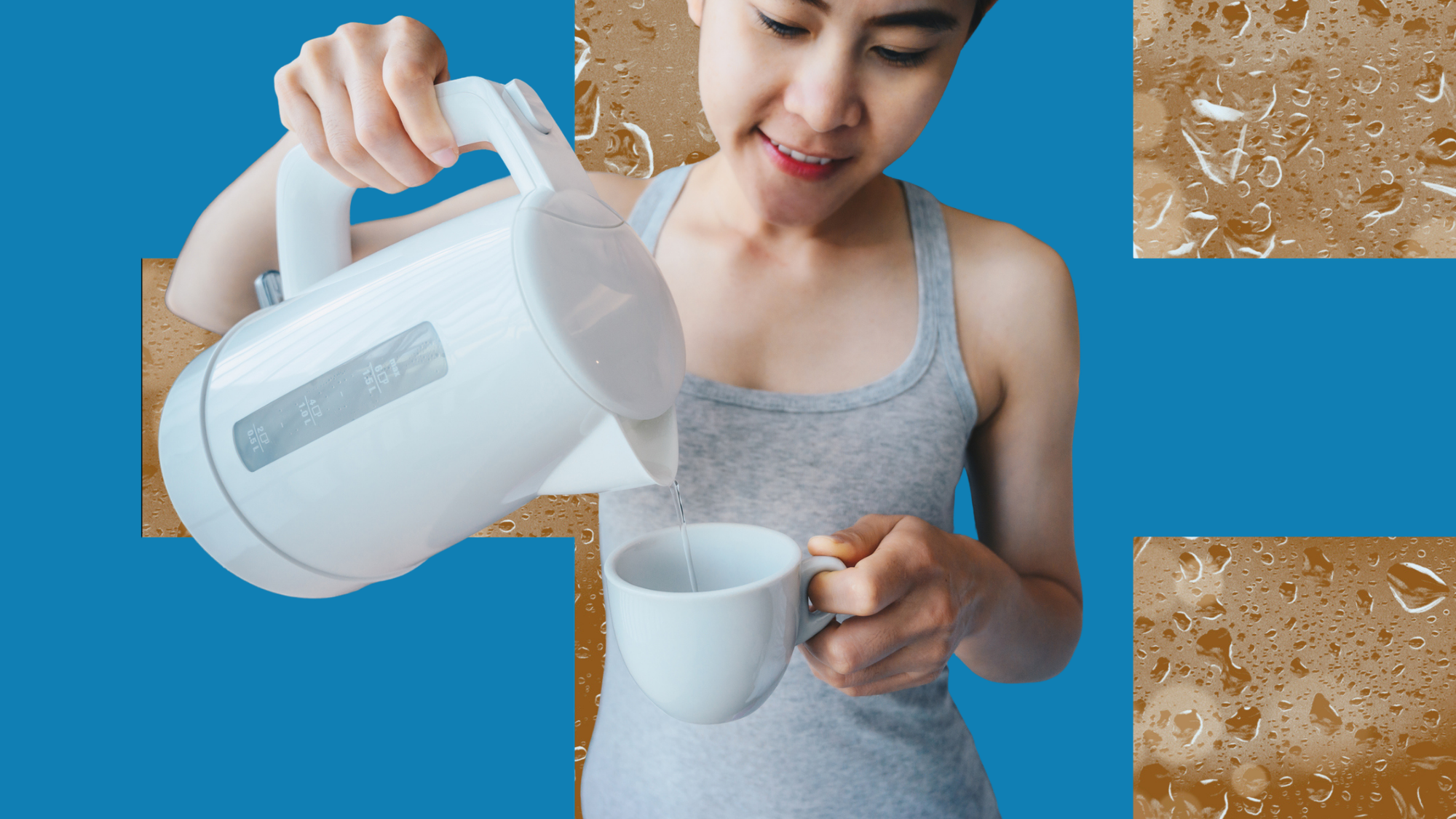
This isn’t about strenuous workout routines or expensive skincare concoctions. The wellness trend Khan and countless others are embracing is refreshingly simple: drinking warm water in the morning.
For thousands of years, the practice of consuming hot or warm water has been revered for its purported health benefits by traditional Chinese medicine (TCM) and India’s ancient Ayurvedic healing system.
However, this age-old lifestyle practice has found a surging new audience after it went viral on social media in early 2026.
TikTok and Instagram videos boasting millions of views are tagged with phrases like “newly Chinese” and “Chinamaxxing,” sparking widespread curiosity.
Most of these captivating videos feature young people sipping warm water, enjoying warm breakfasts, and beginning their days with gentle stretches.
The central question emerges: Can these simple, traditional lifestyle habits genuinely elevate one’s physical well-being?
Preserving ‘Qi’
At the core of traditional medicine, embraced by millions across China, is the belief that vital energy, known in Mandarin as Qi, circulates throughout the body. Illness is understood to arise when this flow is blocked or falls out of balance.
Proponents of this ancient medical system believe that drinking warm water, ideally between 40-60 degrees Celsius to prevent scalding, enhances and conserves Qi. This, in turn, is thought to promote overall health and longevity.
“Think of it like a house,” explains Professor Shun Au, a researcher of traditional Chinese medicine. He elaborates that within a holistic health framework, consuming cold food is akin to inviting cold wind into your home, disrupting internal harmony.
Read also:
- The history of garlic: From slave food and traditional medicine to modern cuisine
- Can alternative medicine effectively cure cancer?
- China promotes the use of traditional medicine amid the pandemic
This foundational theory underpins other traditional Chinese medicine recommendations, such as wearing warm slippers indoors and starting the day with a warm, comforting breakfast.

These time-honored practices served as an entry point into traditional Chinese medicine for Khan, an architectural assistant currently residing in London, who first discovered the trend on TikTok.
Khan shares that she has experienced positive effects from starting her day with Tai Chi, an exercise that combines slow, flowing movements, deep breathing, and meditation. She has also swapped her usual morning coffee for warm water.
“After having caffeine, I didn’t realise that I felt nauseous afterwards,” she recounts.
“Then I just started having plain hot water, sometimes with mint, lemon… and I do feel more refreshed,” she affirms.
Why Are People Turning to Traditional Medicine?
The growing interest among younger, social media-savvy generations in traditional Chinese lifestyle tips reflects an evolving societal trend, according to Shyama Kuruvilla, Director of the WHO Global Centre for Traditional Medicine.
“Even in Europe, there have been population-based studies… one in Germany showed that 70% of the population, or even more, are using some form of traditional complementary integrative medicine. And in some countries, like China and India, that figure can be more than 90%,” she notes, highlighting the widespread acceptance.
Some adherents of these ancient ways express distrust in modern medicine, a mindset believed to have been exacerbated by the Covid-19 pandemic. A study in the United States indicated that trust in doctors and hospitals plummeted from over 70% in 2020 to approximately 40% in 2024 among those surveyed.
Another segment of the population, lacking access to biomedical treatments, turns to traditional medicine as a more affordable and accessible alternative. Furthermore, many individuals are drawn to traditional medicine for its personalized and holistic approach. Simple habits like drinking warm water can be a gateway into a comprehensive health system that champions the balance of mind, body, and environment.
Beyond practical considerations, this system holds profound cultural, spiritual, and historical significance for countless individuals. “Many traditional medicine practitioners, indigenous communities, would say, ‘we have been using this for thousands of years… we have seen that this helps people,'” Kuruvilla emphasizes.
The WHO Global Centre for Traditional Medicine is actively evaluating evidence to provide guidance to policymakers and patients. This is a monumental task, especially given that currently less than 1% of global health research funding is allocated to traditional medicine research, Kuruvilla points out. “There’s a massive need to improve the evidence base,” she states.
Before embarking on any traditional medicine regimen, individuals should consult their healthcare provider to ascertain its safety within the context of their overall health, advises the WHO expert. Regarding the specific practice of drinking warm water, while the WHO offers no dedicated guidelines, Kuruvilla suggests that its effects depend on the water’s temperature, the quantity consumed, and an individual’s existing health conditions. “It’s all about… evidence and balance,” she concludes.
What Does Science Say?
Drinking warm water in the morning can offer some tangible benefits, according to Rosy Brooks, a general practitioner and longevity medicine specialist. “There are slight benefits in digestion and helping with constipation,” she explains.
Brooks also notes that there is some evidence indicating warm water may help alleviate spasms in the esophagus, the tube connecting the throat to the stomach. “But other than that, drinking water, cold or hot, is solely beneficial for hydration,” she clarifies, emphasizing the primary role of water.
“There’s no evidence that cold water harms health,” states Selina Gray, a general practitioner and lifestyle doctor at Helen Medical, a private practice in the UK. Gray further highlights that, despite numerous claims circulating on social media, there is no scientific proof that drinking warm water can burn fat, boost metabolism, or “detoxify” the body.
“If someone prefers warm water and it encourages them to drink more, then that’s great, but it’s not a metabolic shortcut,” she asserts. Gray, who grew up in Singapore immersed in an environment influenced by traditional Chinese medicine, shares that she “can still hear her mother telling her to drink hot water to warm up the inside of the body.” These traditions, she adds, “offer routines that feel natural, feel more accessible, and are meaningful from a cultural perspective.”
An Opportunity to Slow Down
While the scientific evidence specifically on drinking warm water may be limited, research indicates that other traditional practices often associated with this lifestyle can indeed be beneficial for our well-being. A warm breakfast, prepared with whole, nourishing ingredients, for instance, is likely to be more nutritionally complete than a cold bowl of cereal. Furthermore, while there’s no evidence that cold foods cause illness, a warm and comfortable body can significantly contribute to relaxation and promote better sleep. Moreover, simple yet high-quality studies have consistently found that traditional Chinese practices like Tai Chi and Qigong can enhance strength, improve mobility, and effectively reduce stress levels.

“Often in everyday life our minds are racing… our body and mind are in two separate places,” observes Professor Shun Au, an expert in Traditional Chinese Medicine. “The whole idea of meditation, Qigong, and Tai Chi is to slow this down,” he adds, pointing to the profound impact of these mindful practices.
Although Dr. Brooks does not believe that drinking warm water offers robust physiological health benefits, she acknowledges its potential psychological advantages. “It’s arguably like a routine… Practices like this give you time for yourself which we often forget about in our busy world,” she reflects.
Maryam Khan herself attests to a positive impact on her mental health, stating that her morning warm water ritual is fundamentally about carving out time for herself. “I see it as an opportunity to slow down, take it all in, and start my day mindfully,” she concludes, embodying the blend of ancient wisdom and modern self-care.
- The fate of jamu, from carried on backs to café menus – how young people preserve cultural heritage
- ‘There’s no one to replace us anymore’ – Sikerei, the Mentawai tradition keepers slowly disappearing with time
- Moringa leaves, the benefits of Bali’s ‘tree of life,’ from ‘superfood’ and traditional medicine to warding off black magic
