
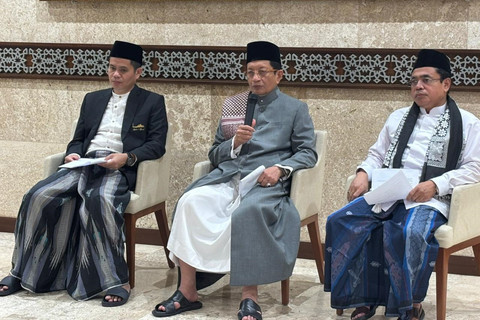

Indonesia’s iconic Istiqlal Mosque is meticulously prepared to host the upcoming Eid al-Fitr 1447 H prayer, scheduled for Saturday morning, March 21st. This assurance comes directly from Minister of Religious Affairs, Nasaruddin Umar, who confirmed the readiness of the nation’s grandest mosque for this significant Islamic observance.
According to Minister Nasaruddin, all necessary arrangements for the Eid prayer have been finalized, including the crucial appointments of the khatib (preacher) and imam. He specifically announced, “Tomorrow, God willing, the khatib will be Dr. Husni, the esteemed Rector of UIN Sunan Kalijaga Yogyakarta.” This declaration was made by Nasaruddin himself at the Istiqlal Mosque on Friday, March 20th, highlighting the importance of the chosen scholar for the sermon.
Adding to the significance of the event, a distinguished roster of national figures is slated to attend the Eid al-Fitr prayer at the largest mosque in Southeast Asia. Minister Nasaruddin confirmed the expected presence of key government officials, stating, “God willing, the Vice President will certainly be here, along with Mr. Jokowi [the President], possibly Mr. Jusuf Kalla [former Vice President], and various ministers and other high-ranking officials.” Their attendance underscores the national importance and unifying spirit of this annual celebration.

Beyond the ceremonial preparations, Nasaruddin highlighted that this year’s Eid al-Fitr holds a particularly unique resonance due to its close proximity to several other major religious holidays. He emphasized, “This Ramadan has been exceptionally special, as it has been celebrated alongside various other significant religious observances. For instance, we recently saw the Chinese New Year celebration, followed by the Hindu observance of Nyepi just yesterday. Tonight, we conclude the Holy Month of Ramadan with the Takbir night, leading into the Eid al-Fitr holiday tomorrow.”

The Minister further elaborated on this remarkable interfaith calendar, noting, “Soon after, there will be Easter for Christians, and prior to Ramadan, we also had a joint Christmas celebration.” Nasaruddin expressed profound hope that this extraordinary sequence of religious commemorations would generate a powerful positive impact, particularly in fostering and strengthening the fundamental values of tolerance and togetherness within the nation.
In his closing remarks, Nasaruddin articulated a hopeful vision for Indonesia’s future, stating, “May these religious holidays that we observe across our Republic infuse us with positive energy to cultivate noble character, achieve inner peace, and inspire us to be productive in building our nation for the sake of our children and grandchildren in the years to come.” His words serve as a poignant reminder of the enduring spiritual and national significance embedded in these shared moments of reflection and celebration.
