
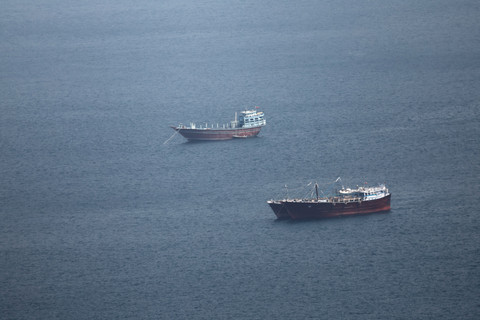
Global crude oil prices experienced a dramatic surge of approximately 9% on Thursday, March 12, rocketing to their highest levels in nearly four years. This significant escalation in prices was directly attributed to Iran’s intensified attacks on critical oil and transportation infrastructure across the Middle East, compounded by the nation’s supreme leader’s resolute vow to maintain the closure of the strategically vital Strait of Hormuz.
According to Reuters, Brent crude futures concluded the trading day at USD 100.46 per barrel, marking an impressive increase of USD 8.48 or 9.2 percent, after briefly touching an intraday peak of USD 101.60. Simultaneously, US West Texas Intermediate (WTI) crude futures closed at USD 95.70 per barrel, also climbing USD 8.48 or 9.7 percent. This remarkable performance saw both benchmark crude contracts achieve their highest closing prices since August 2022.
“The market is currently severely imbalanced, and this precarious condition will persist until the Strait of Hormuz reopens and both upstream and downstream activities normalize. Such a resolution is not likely to occur swiftly,” commented Jim Burkhard, Vice President and Global Head of Crude Oil Research at S&P Global Energy, highlighting the deep instability gripping the global oil market.
On Thursday, March 12, US Energy Secretary Chris Wright informed CNBC that the US Navy was presently unable to escort commercial vessels through the Strait of Hormuz. However, he expressed optimism that such protective escorts could potentially commence by the end of the month, signaling a potential shift in naval posture. Despite the ongoing Iranian aggressions targeting merchant ships, Wright maintained that global oil prices were unlikely to breach the USD 200 per barrel mark, attempting to temper fears of an even more extreme price escalation.
Further compounding the regional instability, an Iraqi security official reported on Thursday, March 12, that two fuel tankers in Iraqi waters had been targeted by Iranian boats laden with explosives. Concurrently, another Iraqi official informed state media that all of the nation’s oil ports had completely ceased operations, pointing to a severe disruption in oil exports. In a significant precautionary move, Oman also relocated all vessels from its primary oil export terminal at Mina Al Fahal, strategically located outside the volatile Strait of Hormuz, as reported by Bloomberg News. This action underscored the widespread anxiety and the preventative measures being adopted across the region.
Earlier in the week, on Monday, March 9, Brent crude briefly soared to USD 119.50 per barrel, reaching its highest point since mid-2022. However, prices subsequently receded after US President Donald Trump publicly suggested that the conflict with Iran might be nearing an end, offering a momentary reprieve to the markets. To mitigate the spiraling energy price hikes, the Trump administration was reportedly deliberating the temporary suspension of the century-old Jones Act. White House Press Secretary Karoline Leavitt confirmed that this move aimed to facilitate the freer movement of energy and agricultural products between US ports, an effort to stabilize domestic supply chains amidst the global turmoil.
The escalating conflict has led to unprecedented supply disruptions, casting a long shadow over global energy security. On Thursday, March 12, the International Energy Agency (IEA) declared that the ongoing war had instigated the most significant oil supply disruption in the history of the global market. This stark announcement followed just one day after the agency had approved a record release of 400 million barrels of oil from strategic reserves, a clear indicator of the severity of the crisis. Despite the IEA’s bold move, specific details regarding the distribution of these strategic reserves remained undisclosed. Analysts from Energy Aspects voiced skepticism, noting that the market harbored doubts about whether the entire approved volume would indeed be released. They further underscored the precarious situation, estimating that these total reserves, largely crude oil with some refined products, would only suffice for approximately 25 days of the current supply disruption, revealing the limited buffer against prolonged instability.
Compounding the supply woes, the IEA’s latest monthly oil market report unveiled that Middle East Gulf nations had collectively slashed their total oil production by at least 10 million barrels per day. This drastic reduction alone accounts for nearly 10 percent of global oil demand, severely impacting the worldwide energy balance. Adding to the dire situation, energy consultant IIR reported that Middle Eastern oil refineries had idled a substantial 2.35 million barrels per day of crude oil and condensate processing capacity, further tightening the global supply of refined products.
Meanwhile, the broader regional conflict intensified dramatically on Wednesday, March 11, as Lebanon’s Hezbollah group unleashed its largest rocket attack since the war commenced. This aggressive action provoked immediate Israeli retaliation, sending shockwaves through Beirut. The Hezbollah offensive also significantly heightened fears that Yemen’s Houthi rebels might align with Iran, potentially exacerbating disruptions to vital shipping lanes in the Red Sea. Amidst this geopolitical turbulence, Saudi Arabia reportedly ramped up crude oil exports from its Red Sea port of Yanbu in recent days, potentially seeking alternative export routes. Concurrently, China, on Thursday, March 12, issued an immediate ban on refined fuel exports for March, according to sources. This preemptive measure reflects Beijing’s concern over potential domestic fuel shortages stemming from the escalating Middle East conflict, underscoring the far-reaching global implications of the ongoing crisis.
Summary
Global crude oil prices experienced a dramatic surge of approximately 9% on Thursday, March 12, reaching nearly four-year highs with Brent crude closing at USD 100.46 and WTI at USD 95.70 per barrel. This significant escalation was directly attributed to Iran’s intensified attacks on critical oil infrastructure and its supreme leader’s vow to maintain the closure of the strategically vital Strait of Hormuz. The market faces severe imbalance, and regional instability is highlighted by Iranian attacks on Iraqi fuel tankers and the halting of Iraqi oil port operations.
The International Energy Agency (IEA) declared this situation the most significant oil supply disruption in history, approving a record release of 400 million barrels from strategic reserves to mitigate the crisis. Further compounding the issue, Middle East Gulf nations collectively slashed oil production by at least 10 million barrels per day, impacting 10 percent of global demand. Escalating regional conflict, including Hezbollah’s largest rocket attack and potential Houthi involvement, threatens vital shipping lanes, leading China to ban refined fuel exports for March. These actions underscore the widespread global implications of the ongoing crisis.
