
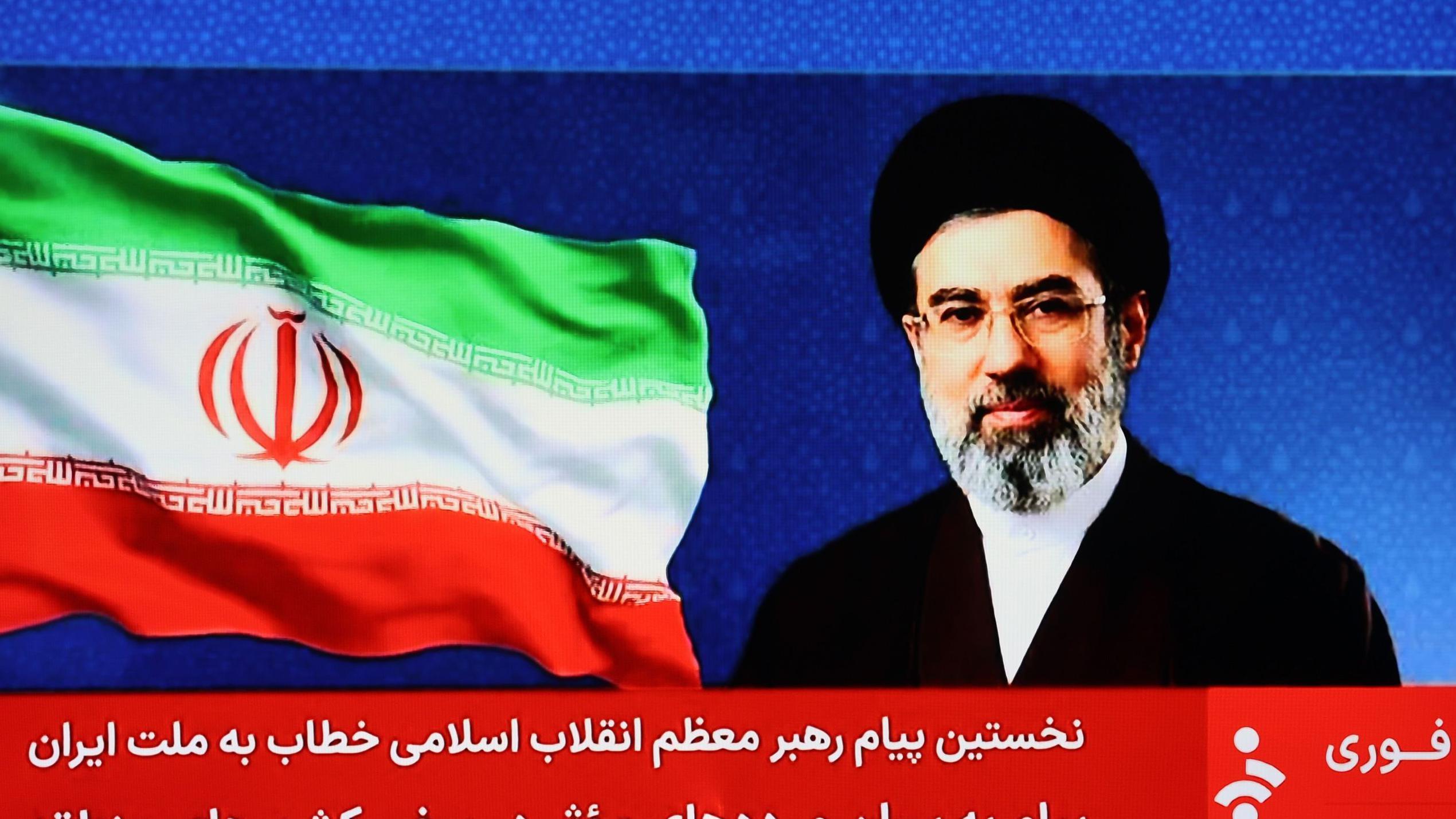

Iran’s newly appointed Supreme Leader, Mojtaba Khamenei, has reportedly declared that Iran will maintain its blockade of the Strait of Hormuz, the world’s busiest oil shipping lane. This significant announcement, attributed to Khamenei, was broadcast via Iranian state television, though the Supreme Leader himself did not appear directly; his statement was read by a news anchor.
In his powerful address, Khamenei affirmed that Iran intends to “avenge the blood” of Iranian citizens killed during the ongoing conflict with the United States and Israel. Furthermore, he issued a stern warning to neighboring countries, urging them not to permit their territories to be utilized as operational bases for American military forces.
Mojtaba Khamenei ascended to the position of Supreme Leader on March 8, 2026. His appointment followed the death of his father, Ayatollah Ali Khamenei, who was reportedly killed on the very first day of a joint US-Israeli assault on Iran. This tragic event was compounded by personal loss for Mojtaba, who lost his wife and a son in the combined US-Israeli attack on the supreme leader’s compound that also claimed his father’s life. While his mother was initially reported among the casualties, an Iranian media outlet later stated she was still alive, adding a layer of confusion to the grim reports.
Adding to the mystery surrounding his leadership, Reuters, citing an unnamed Iranian official, reported that Khamenei sustained “minor injuries” in the attack, although no further details have been disclosed. Since his designation as Supreme Leader, he has made no public appearances, nor have any photos or video recordings of him been released. Iranian state television referred to him as a “Ramadan war veteran,” yet offered no additional confirmation regarding his reported injuries, leaving the public status of the new leader unclear.
In what is considered his first public message, Khamenei underscored Iran’s strategic leverage, stating that the nation must utilize the “lever of power of closing the Strait of Hormuz.” He emphasized that this vital waterway represents a point where the “enemy is extremely vulnerable,” signaling a clear intent to weaponize access to global energy markets.

Khamenei reiterated Iran’s resolve to continue striking US bases situated in Gulf countries. While Tehran maintains a policy of “friendship” with its neighbors, the Supreme Leader issued a direct admonition, urging them to dismantle American military bases within their borders. “We share land or maritime borders with 15 neighboring countries and always strive for warm and constructive relations with all of them,” he declared, adding a sharp caveat: “These countries must clarify their stance on the aggressors who attack our homeland and the killers of our people. I advise them to close those bases as soon as possible.”
The Supreme Leader also highlighted “crimes against children,” specifically mentioning a “deliberate incident at the Minab school.” This refers to reports from American media, where US investigators indicated that American forces inadvertently struck a school in southern Iran, located in close proximity to a military base.
In an unexpected revelation, Khamenei stated that he learned of his own appointment as Iran’s Supreme Leader through state television. “I learned the results of the Assembly of Experts vote along with you, through Islamic Republic television,” he remarked, indicating a potentially swift and unexpected transition of power.
Hours later, as Israel launched a new wave of attacks on Tehran, Israeli Prime Minister Benjamin Netanyahu sharply reacted to the news. He publicly dismissed Iran’s new leader as a “puppet” of the Revolutionary Guard who “cannot show himself in public.” When questioned about Khamenei and Hezbollah leader Naim Qassem, Netanyahu delivered a terse response, quoted by Reuters: “I will not publish a life insurance policy for the leaders of any terrorist organizations.”
Iran has a history of threatening to disrupt shipping in the Strait of Hormuz, a crucial choke point through which approximately one-third of the world’s oil trade passes. Past blockades of oil tankers and Iranian attacks on vessels in the Gulf have consistently triggered significant surges in global oil prices. On Wednesday, Tehran intensified its warnings, advising the world to prepare for oil prices reaching $200 per barrel and declaring that any tanker bound for the US, Israel, or their allies would be considered a legitimate target. This escalating rhetoric prompted the International Energy Agency to issue a grave warning, stating that the global oil market is currently experiencing the “largest supply disruption in history.”
- Who is Mojtaba Khamenei, Iran’s new Supreme Leader?
- Iran’s unique strategy against the US-Israel alliance
- US-Israel vs Iran: Who will run out of ammunition first, and does ammunition stock determine the war’s victor?
Summary
Iran’s newly appointed Supreme Leader, Mojtaba Khamenei, announced via state television that Iran will maintain its blockade of the Strait of Hormuz, a critical global oil shipping lane. He vowed to “avenge the blood” of Iranian citizens killed during the ongoing conflict with the United States and Israel. Khamenei also issued a stern warning to neighboring countries, urging them to close American military bases within their borders and not allow their territories to be used for operations against Iran. His appointment followed his father’s death in a joint US-Israeli assault, which also claimed the lives of his wife and son.
Emphasizing the Strait of Hormuz as a point where the “enemy is extremely vulnerable,” Khamenei signaled an intent to weaponize access to global energy markets. Iran has warned the world to prepare for oil prices reaching $200 per barrel and declared any tanker bound for the US, Israel, or their allies as a legitimate target. This escalating rhetoric prompted the International Energy Agency to issue a grave warning about the “largest supply disruption in history.”
