
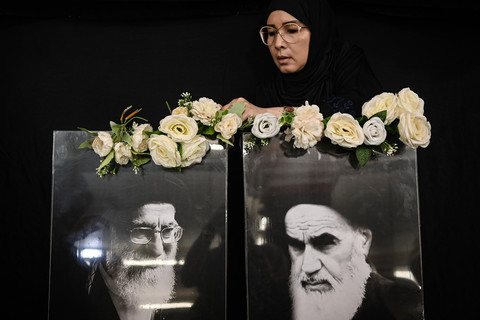
Iran has signaled the imminent appointment of a new Supreme Leader following the reported death of Ayatollah Ali Khamenei. The long-serving leader was allegedly killed in a US and Israel air strike in Tehran on February 28, an event that has since sent ripples through Iranian politics. The country’s powerful Assembly of Experts now indicates that a decision regarding Khamenei’s successor is drawing near, pointing to a pivotal moment for the nation.
This significant hint came from Ayatollah Mohammad-Mahdi Mirbagheri, a prominent member of the Assembly of Experts, on Sunday, March 8. Speaking via a video uploaded by the Fars news agency on Telegram, Mirbagheri affirmed that the institution responsible for selecting the Supreme Leader has undertaken extensive efforts to identify Khamenei’s replacement. He notably stated, “Extensive efforts to determine the leadership have been made, and there is already a firm and unanimous view,” suggesting a consensus may already be in place.
Further underscoring the anticipation, Hojjatoleslam Jafari, another influential member of the Assembly of Experts, shared his hopes for a swift announcement. In a separate interview with Fars, Jafari expressed his desire for the decision to be revealed promptly, providing much-needed political certainty to the Iranian populace. “We hope that all the people of Iran will soon feel satisfied,” he remarked, as reported by AlJazeera, highlighting the widespread public desire for clarity amidst the leadership vacuum.
However, Jafari also candidly acknowledged that the process of electing a new leader has extended longer than initially anticipated. He described the delay as a “bitter and undesirable situation for many.” Despite this, Jafari urged patience and understanding from the public, stating, “This delay in choosing the third leader is bitter and undesirable for everyone. But there is no other alternative, so we should not be prejudiced against our representatives in this difficult time,” emphasizing the complexities involved in such a critical decision for Iran.
Underpinning this critical process is Iran’s constitutional framework, which grants the 88-cleric Assembly of Experts the sole authority to elect the nation’s Supreme Leader. This esteemed body previously played a pivotal role in Iranian history, having appointed Khamenei himself as Iran’s leader back in 1989. His lengthy reign, spanning an impressive 37 years, concluded with his reported demise in the aforementioned joint US and Israel strike in Tehran at the end of February.
Since the reported death of Ayatollah Ali Khamenei, Iran has been governed by an interim leadership council. This temporary arrangement remains in place, guiding the nation through a period of transition as it awaits the official appointment of its new Supreme Leader, a decision expected to shape the future trajectory of Iranian domestic and foreign policy.
Summary
Iran has indicated the impending appointment of a new Supreme Leader following the reported death of Ayatollah Ali Khamenei on February 28 in a US and Israel air strike. The powerful Assembly of Experts, responsible for this selection, has signaled a decision is near. Ayatollah Mohammad-Mahdi Mirbagheri, a prominent member, affirmed that extensive efforts have been made, suggesting a unanimous view might already be in place.
Another influential member, Hojjatoleslam Jafari, expressed hope for a swift announcement to provide political certainty, though he acknowledged the process has taken longer than anticipated. Iran’s constitutional framework grants the 88-cleric Assembly of Experts the sole authority for this role, as they did for Khamenei in 1989. An interim leadership council currently governs the nation during this period of transition.
