
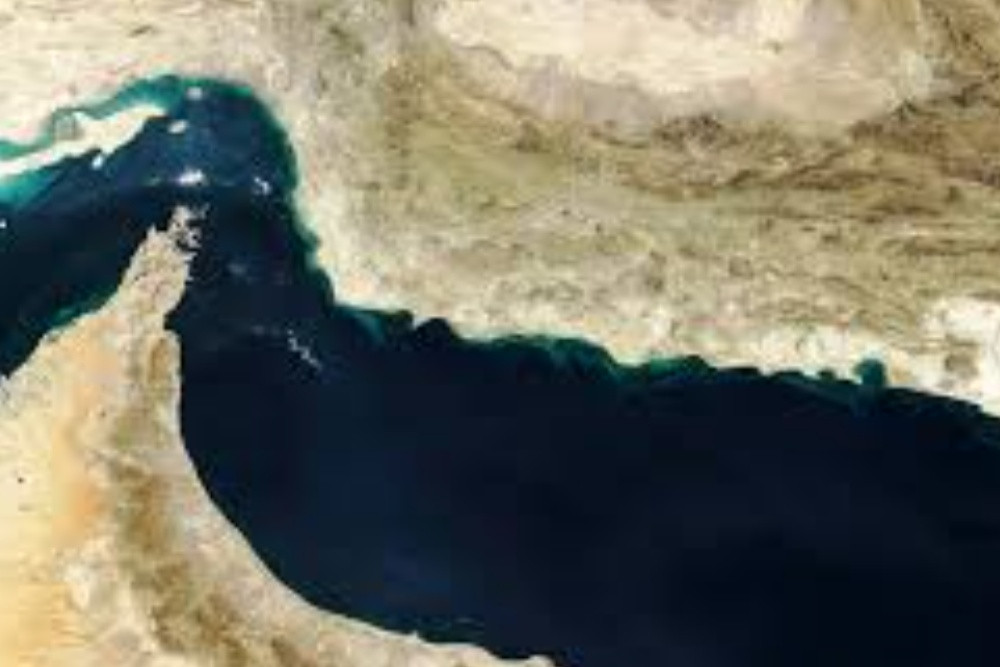

Teknowarta – , JAKARTA — Shipping traffic for oil and gas carriers through the critical Strait of Hormuz remains severely restricted amidst escalating tensions. This follows recent actions by the United States and Israel against Iran, coupled with heightened threats from Tehran targeting vessels navigating this vital strategic waterway.
Data from vessel tracking systems, reported by Bloomberg on Sunday, March 1, 2026, indicates a minimal outflow of ships from the Strait of Hormuz, with virtually no inbound maritime movement. Further exacerbating maritime security concerns, a small tanker, suspected of evading U.S. sanctions by facilitating Iranian fuel exports, was reportedly targeted in an attack off the northern coast of Oman. The perpetrators of this incident remain unknown, adding to the regional instability.
: Perang AS-Israel vs Iran Bakal Dorong Permintaan Aset Safe Haven, Harga Emas Makin Naik?
In a direct warning, Mohsen Rezaei, a member of Iran’s Expediency Council, declared via state television that “No American ships are allowed to enter the Persian Gulf.” This statement underscores Iran’s hardened stance. A day prior, multiple vessels also reported receiving radio broadcasts, purportedly from the Iranian Navy, stating that passage through the Strait of Hormuz was prohibited, despite a lack of official public announcement from Tehran.
: : Iran Memanas, Ratusan Penumpang Emirates Tertahan di Bandara I Gusti Ngurah Rai
The Strait of Hormuz is globally recognized as an indispensable chokepoint for the world’s energy supply chain. Approximately one-fifth of the globe’s daily oil supply and seaborne liquefied natural gas (LNG) transits through this narrow passage. Any sustained disruption to traffic in this strategic corridor could send shockwaves through international trade and energy markets.
Echoing these warnings, Iran’s semi-official Tasnim news agency asserted that the Strait has been “effectively closed.” This claim follows a severe warning from the Islamic Revolutionary Guard Corps (IRGC), cautioning ships that passage through the Strait of Hormuz is “no longer safe,” further signaling Iran’s intent to control the vital maritime route.
: : Sederet Strategi Pemerintah untuk Redam Dampak Perang AS-Israel vs Iran ke Indonesia
The escalating tensions have prompted swift reactions from major global shipping companies. German firm Hapag-Lloyd has announced an immediate halt to its transits through Hormuz. Similarly, French giant CMA CGM has instructed its vessels to seek refuge in the Persian Gulf and suspended all voyages through the Suez Canal, a key alternative route. Bloomberg had previously noted a concerning accumulation of tankers near the entrance to the Strait of Hormuz. Adding to the caution, the U.S. government has issued an advisory for all vessels to maintain a minimum distance of 30 nautical miles from its military assets deployed in the region.
Beyond immediate route changes, Japanese shipping company Nippon Yusen and Greek authorities have also urged their fleets to re-evaluate routes through Hormuz. Greece, notably, has advised ships to prepare for conventional navigation methods, bypassing electronic systems, due to the significant risk of navigation system interference in the area, a tactic often employed in regions of heightened conflict.
Should these disruptions prove prolonged, the repercussions on global energy markets are anticipated to be substantial. Data from IG Group’s retail trading products revealed a roughly 9% surge in West Texas Intermediate (WTI) crude oil prices on Sunday, even as official futures markets remained closed for the weekend. For liquefied natural gas (LNG), any sustained interruption to distribution from major exporters like Qatar, a significant player in the region, could severely impact supplies to both Asian and European markets.
The increased potential for shipping contracts to the Middle East, fueled by the escalating conflict, is expected to tighten vessel availability significantly. This, in turn, is poised to drive up freight rates, which have already seen a considerable spike in recent times, further adding to the economic burden of global trade.
Summary
Escalating tensions, following actions by the United States and Israel against Iran, have severely restricted oil and gas shipping traffic through the critical Strait of Hormuz. Vessel tracking indicates minimal maritime movement, while Iran has issued warnings prohibiting passage for US ships and claiming the Strait is “effectively closed.” These threats from Tehran, including warnings from the Islamic Revolutionary Guard Corps, underscore the increased instability in this vital waterway.
As a crucial chokepoint for global energy supply, any prolonged disruption in the Strait of Hormuz could significantly impact international markets. Major shipping companies like Hapag-Lloyd and CMA CGM have halted transits, with others re-evaluating routes due to the heightened risks. This situation has already led to a surge in crude oil prices and is expected to raise freight rates, potentially impacting global liquefied natural gas supplies to Asian and European markets.
