
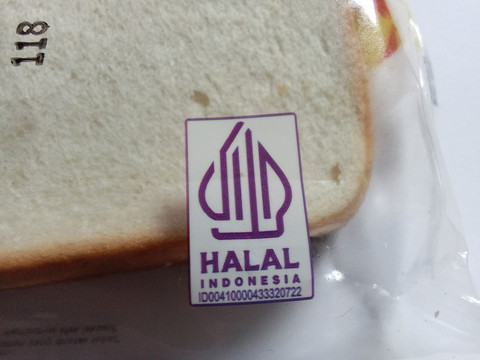

The United States (US) has made a significant decision to reduce its reciprocal import tariffs on Indonesian goods to 19 percent, a move underpinned by various conditions. A key stipulation among these is the relaxation of Indonesia’s stringent halal regulations for US products, aiming to streamline bilateral trade and remove existing non-tariff barriers.
This pivotal development is outlined within the Agreement on Reciprocal Trade (ART), a comprehensive document ratified by the Indonesian and US governments. The ART addresses several clauses concerning non-tariff obstacles in bilateral trade, with Indonesia’s halal certification and labeling requirements identified as a primary concern for the US.
Specifically, the agreement details a crucial clause regarding manufactured goods. It stipulates that US-originating cosmetic products and medical devices imported into Indonesia will be exempted from mandatory halal certification.
According to the ART document, “To facilitate the export of cosmetics, medical devices, and other manufactured goods from the US that may currently require halal certification, Indonesia will exempt US products from halal certification and halal labeling requirements.” This provision is set to significantly ease market access for these categories of US exports.
Furthermore, Indonesia will extend this exemption to containers and other materials used for transporting manufactured products. These items will be freed from halal certification and labeling requirements, with the notable exception of containers and materials specifically used for transporting food, beverages, cosmetics, and pharmaceuticals.
In another critical concession, Indonesia will waive non-halal product certification requirements for imports from the US. However, this particular point does not affect the existing requirements for providing comprehensive information regarding ingredients or content.
The document clarifies this by stating, “Indonesia will not impose labeling or certification requirements for non-halal products.” This move aims to prevent unnecessary trade impediments for a broad range of goods.
Additionally, the US has requested that Indonesia allow any US halal certification body recognized by Indonesian halal authorities to certify products for import into Indonesia without any additional requirements or restrictions.
Indonesia is also tasked with simplifying the process by which US halal certification bodies obtain official recognition from Indonesian halal authorities and to expedite their approval, further facilitating trade flow.
Halal Requirements for Food and Agricultural Products
Beyond manufactured goods, the relaxation of halal certification rules also extends to food and agricultural products originating from the US. This includes processed meat products, which will now be accepted if slaughtered in accordance with US standards.
The agreement explicitly states, “Indonesia will accept US slaughtering practices consistent with Islamic law or the standards of any country that is a member of the Standards and Metrology Institute for Islamic Countries (SMIIC).” This recognition is a substantial step towards harmonizing standards.
Moreover, Indonesia is set to exempt non-animal products and animal feed—whether genetically engineered or not—from both halal certification and halal labeling requirements, broadening the scope of goods benefiting from these new provisions.
The exemptions continue with Indonesia agreeing to free containers and other materials utilized for transporting food and agricultural products from mandatory halal certification and labeling requirements.
In a move to ease the burden on exporters, the document highlights, “Indonesia will exempt US packaging, storage, and warehousing companies in the halal-certified US agricultural export supply chain to Indonesia from halal competency testing and certification requirements for their employees.” This streamlines operations for key players in the export chain.
Finally, to ensure operational flexibility for US companies, Indonesia has committed not to adopt or maintain any measures that would necessitate US companies to appoint a dedicated halal expert to oversee their operations within Indonesia.
