
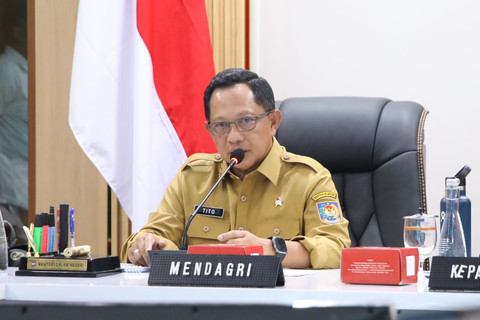

Minister of Home Affairs, Muhammad Tito Karnavian, has issued a crucial Circular Letter (SE) numbered 600.11/889/SJ on February 18, 2026. This comprehensive directive outlines essential steps for local governments to actively support and implement the “Indonesia Safe, Healthy, Clean, Beautiful (ASRI) Movement,” a nationwide initiative aimed at fostering improved living environments across the archipelago.
The Indonesia ASRI Movement, a significant national endeavor, directly stems from a presidential directive issued during the 2026 Central and Regional Government Coordination Meeting held on February 2, 2026. This underscores the high-level commitment to transforming communities and enhancing public welfare throughout the country.
During a press statement in Jakarta, the Minister elaborated that the implementation of the Indonesia ASRI Movement is firmly anchored in a robust framework of legal foundations. Key guiding statutes include Law Number 18 of 2008, Law Number 32 of 2009, and Law Number 23 of 2014. Additionally, the movement draws authority from Government Regulation Number 81 of 2012 and Government Regulation Number 66 of 2014.
Further reinforcing its mandate, Presidential Regulation Number 97 of 2017, alongside various other pertinent legislative acts, provides comprehensive legal backing for this national drive, ensuring its lawful and effective execution.
Based on this extensive legal framework, the Minister of Home Affairs has specifically directed governors, regents, and mayors to undertake several crucial measures. These include the vital task of formulating and enacting regional policies that actively champion the successful execution of the Indonesia ASRI Movement. The directive meticulously details the core pillars of ASRI:
First, Aman (Safe) emphasizes environmental security, proactive risk mitigation strategies, and the maintenance of public order within shared spaces. This pillar ensures a secure and tranquil living environment for all citizens by addressing potential hazards and promoting responsible civic behavior.
Next, Sehat (Healthy) focuses on cultivating superior environmental quality that directly supports and enhances public health. This involves comprehensive initiatives to create healthier surroundings for communities, from air and water quality improvements to sanitation projects.
“Resik (Clean) centers on comprehensive cleanliness and integrated waste management,” the Minister stated, as quoted in the Circular Letter on Thursday, February 19, 2026. This vital aspect aims for immaculate public and private spaces through efficient waste collection, disposal, and recycling programs.

Finally, Indah (Beautiful) is dedicated to improving environmental aesthetics and creating comfortable, visually appealing public spaces that contribute to overall well-being and civic pride. This includes urban landscaping, park maintenance, and the enhancement of public amenities.
The Minister further emphasized the collaborative spirit of the Indonesia ASRI Movement, noting that regional heads are encouraged to enlist the broad participation of all Civil Servants (ASN) within local government ranks, the Regional Leadership Coordination Forum (Forkopimda), vertical agencies operating at the local level, the dynamic business sector, and the wider community. This inclusive approach aims to harness collective effort for maximum impact and sustainable change.
“Specifically, governors are tasked with providing guidance, robust coordination, and crucial facilitation for the implementation of the Indonesia ASRI Movement across all regencies and cities within their respective jurisdictions,” the Minister added, highlighting the need for cohesive regional oversight and inter-municipal collaboration.
Meanwhile, regents and mayors are instructed to mandate sub-district heads (camat) to meticulously coordinate and control the execution of the Indonesia ASRI Movement at the grassroots level. Furthermore, these local leaders must ensure the active and enthusiastic participation of villages/urban wards, the business community, and the general public within their sub-districts, reinforcing community ownership of the initiative.
The structured implementation of the Indonesia ASRI Movement is scheduled to take place in both government and private offices every Tuesday, dedicating 30 minutes before regular office activities commence. Additionally, public areas will see the movement in action every Friday, carefully timed to ensure it does not disrupt essential public services, balancing progress with minimal inconvenience to citizens.
Moreover, the Circular Letter strongly recommends that regional heads diligently conduct regular monitoring, thorough evaluation, and diligent oversight of the Indonesia ASRI Movement. It also encourages the recognition and appreciation of Civil Servants (ASN) and community members who demonstrate outstanding performance in advancing the movement’s objectives, fostering a culture of excellence and sustained effort.
“The execution of the Indonesia ASRI Movement must be reported to the Minister of Home Affairs, with regional inspectors specifically tasked to supervise, meticulously document, and report on the implementation of workplace environmental cleaning,” the Minister concluded, emphasizing accountability and transparent reporting at all levels to ensure the program’s success.
