
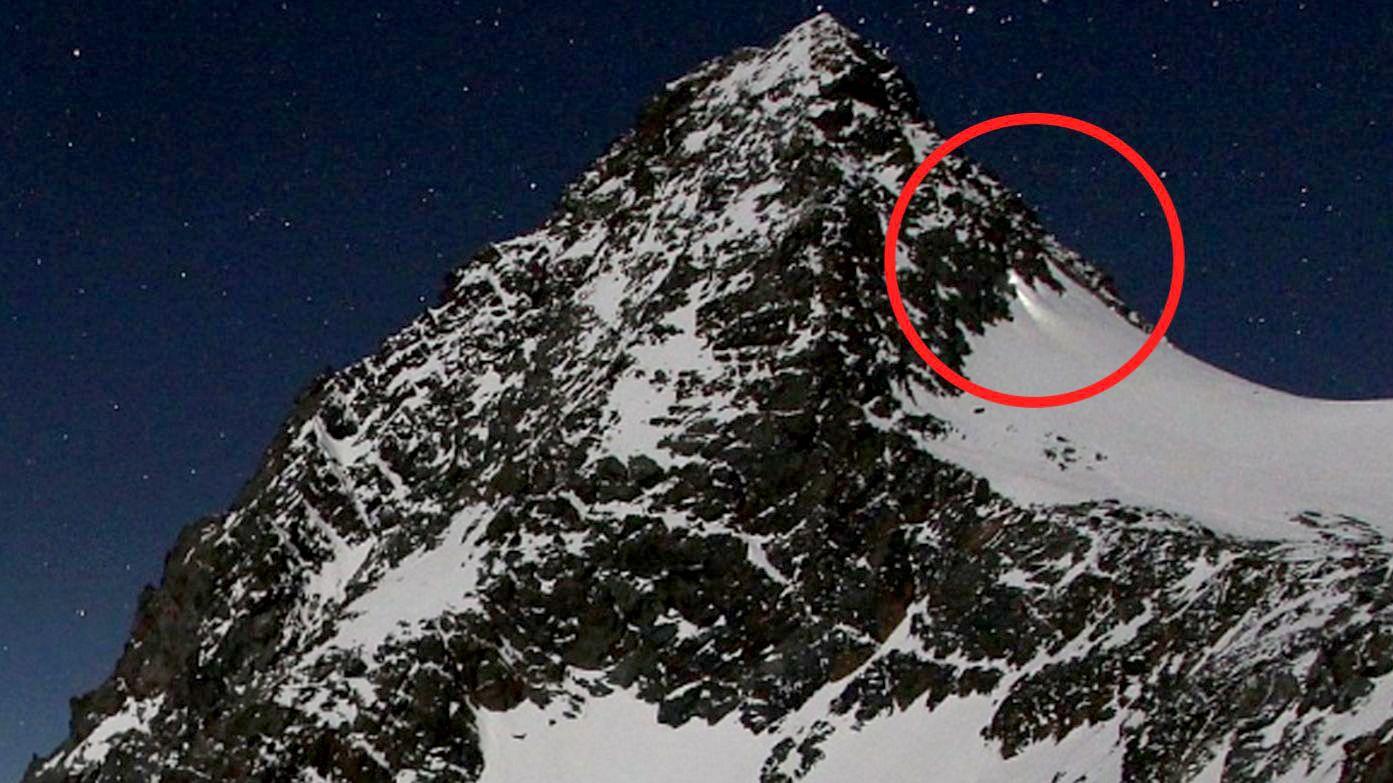

A man is set to face trial in an Austrian court on Thursday, February 19, on charges of negligent manslaughter. This follows the tragic death of his girlfriend, who froze to death on Austria’s highest peak, Mount Grossglockner.
The victim, identified as Kerstin G, succumbed to hypothermia while attempting to climb Mount Grossglockner on January 19, 2025. According to the prosecution’s case, the 33-year-old woman was allegedly left unprotected and in an exhausted state near the summit as the weather conditions severely deteriorated. Her boyfriend then descended alone in search of help.
This heartbreaking incident has ignited widespread attention and fervent debate, not only across Austria but also within the global mountaineering community, challenging established norms and responsibilities in extreme sports.
Prosecutors assert that the man, being the more experienced climber, was the “responsible guide for the ascent.” They allege he failed to make the crucial decision to turn back or call for timely assistance, actions that could have potentially saved his girlfriend’s life.
The accused, identified by Austrian media as Thomas P, vehemently denies the allegations. His lawyer, Karl Jelinek, has characterized Kerstin G’s death as a “tragic accident,” emphasizing the inherent risks of high-altitude mountaineering.
Why is this case attracting the attention of mountaineers?
The tragedy unfolded after the couple embarked on their ascent of the formidable Mount Grossglockner, which towers at an elevation of 3,798 meters. Prosecutors have launched a detailed accusation against Thomas P, alleging a series of critical misjudgments from the very beginning of their climb. They have publicly outlined a list of nine specific errors that are believed to have contributed significantly to the devastating outcome.
At the heart of this high-stakes trial is the delicate and often blurred boundary between individual judgment and calculated risk-taking in mountaineering versus the heavy burden of criminal liability. The potential implications are profound.
Should the climber be found guilty, the verdict could signify a “paradigm shift in mountaineering,” as reported by the Austrian newspaper Der Standard. This outcome could fundamentally alter how responsibilities are perceived and legally enforced among climbing partners.
What are the main points of this case?
The first point in the prosecution’s argument, laid out by Innsbruck prosecutors, is that Thomas P should be regarded as the “responsible guide for the ascent.” This contention stems from his extensive experience in Alpine tours and his role in planning the expedition, distinguishing him significantly from his girlfriend, who was less experienced in such demanding conditions.
Prosecutors allege that Thomas P pressed on with the climb despite his girlfriend “never having undertaken an Alpine ascent of such distance, difficulty, and altitude, especially under challenging winter conditions.” Furthermore, they claim he initiated the journey two hours later than scheduled and failed to carry “adequate emergency bivouac equipment,” crucial for survival in extreme environments.
Adding to the list of alleged errors, he is also accused of “allowing his girlfriend to use soft snowboard boots—equipment unsuitable for high-altitude climbing on mixed terrain,” a choice that prosecutors argue compromised her safety.
The next point in the prosecution’s case highlights Thomas P’s alleged failure to turn back when conditions worsened. Prosecutors contend that he should have urged his girlfriend to abandon the ascent while it was still feasible, particularly given the severe weather: wind gusts reaching 74 km/h and extreme temperatures dropping to -8°C, which felt like -20°C due to the biting wind chill. Despite these perilous conditions, the couple continued their climb.
Thomas P’s account, however, starkly diverges from the prosecution’s allegations. According to his lawyer, Kurt Jelinek, the couple reached a point known as Frühstücksplatz on January 18, 2025, at 1:30 PM. Beyond this point, no further resting places existed before the summit. Jelinek asserts that since neither of them was “exhausted or overwhelmed” at that moment, they made the mutual decision to continue their challenging ascent.

Thomas P emphatically denies the accusations leveled against him. His lawyer, Kurt Jelinek, states that his client and his girlfriend meticulously planned the arduous ascent together, indicating a shared understanding and mutual preparation.
“Both considered themselves… sufficiently experienced, prepared, and adequately equipped,” Jelinek asserted, painting a picture of two individuals confident in their abilities. He further emphasized that both partners reportedly possessed “relevant experience in Alpine climbing” and were in “excellent physical condition,” suggesting they were well-prepared for the rigors of the climb.
The next point of contention arises from the timing of distress calls. Prosecutors claim the couple became stranded at 8:50 PM, and Thomas P inexplicably failed to contact the police. Furthermore, they accuse him of not sending a distress signal when a police helicopter flew directly over them at approximately 10:50 PM, potentially missing a critical window for rescue.
Conversely, Thomas P’s lawyer argued that at that precise moment, his client and his girlfriend still felt capable and did not believe they needed help, as they were in close proximity to the summit. Webcam footage from the mountain reportedly captured the illuminating beam of their headlamps as they continued their ascent.

However, Jelinek recounts that the situation drastically deteriorated shortly thereafter. According to him, Thomas P was “very surprised” when his girlfriend “suddenly showed increasing signs of exhaustion.” By then, with conditions worsening rapidly, it was tragically too late to consider turning back.
At 00:35 AM on January 19, Thomas P finally contacted mountain police, his lawyer confirmed. While the precise details of their conversation remain unclear, Jelinek maintains that his client explicitly requested help. He refutes the police’s accusation that Thomas P later muted his phone and ceased to receive calls, an action that would have further hindered rescue efforts. Jelinek states that the couple managed to reach an area approximately 40 meters below the cross marking the summit of Grossglockner.
Given Kerstin G’s severe exhaustion, rendering her unable to move, Thomas P made the difficult decision to descend the mountain alone in a desperate attempt to seek help, as stated by Jelinek. Prosecutors, however, claim Thomas P abandoned his girlfriend at 2:00 AM. The receding beam of his headlamp was captured by a webcam as he made his way down from the peak, a visual record of his solitary descent.
The final point in the prosecution’s case concerns the alleged lack of protective measures. Prosecutors contend that Thomas P failed to use an emergency foil blanket or any other vital equipment to shield his girlfriend from the extreme cold, despite having potentially carried such items. He is further accused of waiting until 3:30 AM to contact emergency services, a delay that prosecutors argue proved fatal.
By that critical hour, prosecutors assert, Thomas P’s actions were woefully insufficient and ultimately too late. Compounding the tragedy, the raging winds made it impossible for helicopters to take off, sealing Kerstin G’s fate. She ultimately died alone in the desolate, snow-covered landscape.
Kerstin G’s social media posts reveal her as a passionate and experienced mountaineer. Her mother shared with German media that her daughter had a particular fondness for night climbs, suggesting a deep love for the mountains. Thomas P’s lawyer stated that his client is “deeply sorry” for his girlfriend’s death and “above all, wishes to express his sincere condolences to the deceased’s family,” conveying his profound regret.
If convicted, Thomas P faces a potential prison sentence of up to three years. A guilty verdict in this highly scrutinized case could establish a significant and far-reaching legal precedent for climbers in the future, defining the extent to which mountaineers can be held accountable for the safety and well-being of their companions during challenging and perilous ascents.
Summary
An Austrian man, Thomas P, is set to face trial for negligent manslaughter after his girlfriend, Kerstin G, tragically froze to death on Mount Grossglockner. Prosecutors contend that Thomas P, as the more experienced climber, was the “responsible guide” and made critical misjudgments, including continuing the ascent despite severe weather and his girlfriend’s inexperience, and failing to turn back or call for timely assistance. This case has garnered global attention within the mountaineering community, potentially redefining accountability and responsibilities between climbing partners.
Thomas P’s defense maintains that Kerstin G’s death was a tragic accident, arguing the couple planned the climb together, both considered themselves adequately prepared, and made mutual decisions during the ascent. They assert that Thomas P sought help when necessary, eventually descending alone when his girlfriend became immobile, and denies allegations of negligence. If convicted, Thomas P faces up to three years in prison, and the verdict could establish a significant legal precedent for criminal liability in extreme sports.
