
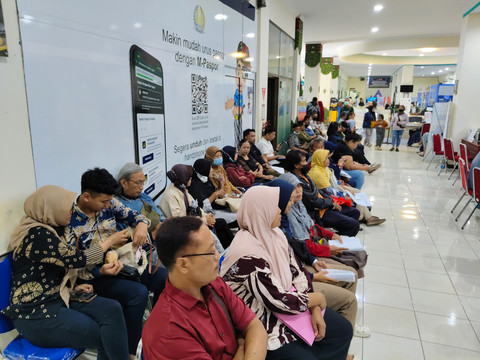
Indonesia’s Health Minister, Budi Gunadi Sadikin, recently announced the automatic re-activation of 120,000 participants in the BPJS Kesehatan Contribution Assistance Recipients (PBI) program who suffer from catastrophic illnesses. This significant move comes after these individuals were temporarily deactivated, ensuring their continued access to vital healthcare services without administrative hurdles.
According to Minister Sadikin, beneficiaries will not need to visit any administrative office to process their re-activation. “The first decision is an immediate, automatic re-activation from the central office. There is no need to go anywhere for these 120,000 patients with catastrophic illnesses,” Budi stated during a working meeting with House Commission IX at the DPR Building on Wednesday. This streamlined process aims to reduce the burden on patients and their families, ensuring uninterrupted care.
Hospitals Asked to Continue Services
To ensure seamless service delivery, Minister Sadikin confirmed that the Ministry of Health had promptly dispatched letters to all hospitals. These letters specifically instruct healthcare providers to continue serving PBI patients with catastrophic illnesses who were previously deactivated. “At the Ministry of Health, we acted swiftly. This morning, today, in fact, we have issued letters to all hospitals stating that the 120,000 PBI participants with catastrophic conditions, even those who may have been moved out of the PBI category, must be served,” he affirmed, emphasizing the government’s commitment to patient welfare.
Furthermore, the Minister urged the Ministry of Social Affairs to promptly issue a decree. This decree is crucial for guaranteeing that the financing for these patients remains government-backed. “I am currently in a meeting to ensure that the Ministry of Social Affairs also issues a decree. This will alleviate hospitals’ concerns about not being reimbursed for these 120,000 catastrophic patients, as their BPJS contributions will continue to be paid by the government through the Ministry of Social Affairs,” he added, providing reassurance to healthcare facilities.
Additional Budget of Rp 15 Billion Allocated
Minister Sadikin detailed that the additional financial burden on the government for this re-activation is relatively modest. He explained that the PBI contribution amounts to approximately Rp 42,000 per person per month. “For the 120,000 catastrophic illness patients, if they are re-activated, the government will only disburse around Rp 5 billion per month (42,000 x 120,000),” he elaborated on the direct costs.
He further clarified the budgetary impact, stating, “So, the additional cost incurred by the government through the Ministry of Social Affairs and the Ministry of Health to BPJS will be approximately Rp 15 billion if calculated for three months.” This allocation underscores the government’s commitment to prioritizing the health and well-being of its most vulnerable citizens through effective and sustainable healthcare funding.
Summary
Indonesia’s Health Minister, Budi Gunadi Sadikin, announced the automatic re-activation of 120,000 BPJS Kesehatan Contribution Assistance Recipients (PBI) suffering from catastrophic illnesses. This significant move ensures their continued access to vital healthcare services without administrative hurdles. Beneficiaries will not need to visit any administrative office as the re-activation is immediate and automatic from the central office. This streamlined process aims to reduce the burden on patients and their families, ensuring uninterrupted care.
To ensure seamless service delivery, the Ministry of Health has promptly instructed all hospitals to continue serving these re-activated PBI patients. The Minister also urged the Ministry of Social Affairs to issue a decree, guaranteeing government-backed financing for these patients’ BPJS contributions and alleviating hospitals’ reimbursement concerns. An additional budget of approximately Rp 15 billion has been allocated by the government to cover these contributions for three months. This underscores the government’s commitment to prioritizing the health and well-being of its most vulnerable citizens.
